US Crypto Theft Wallet Launches Solana Meme Coin — Why PumpFun Deleted $LICK

Another day, another digital asset drama—this time with a distinctly American flavor. A wallet linked to a high-profile US-based crypto theft just dropped a Solana meme coin, sending shockwaves through the decentralized finance (DeFi) ecosystem. The launch triggered immediate action from the popular launchpad PumpFun, which swiftly deleted the token, $LICK, from its platform. The move highlights the ongoing tension between permissionless innovation and the need for some semblance of order in the wild west of digital assets.
The Anatomy of a Flash Launch
The sequence was textbook crypto chaos. Funds from a known theft event, previously sitting dormant, suddenly mobilized. They were funneled into creating and initial liquidity for a meme coin on the Solana blockchain—a network prized for its speed and low costs, making it a favorite for rapid-fire token generation. Within what felt like minutes, $LICK was born, traded, and subsequently scrubbed from PumpFun's interface. The platform's takedown wasn't a slow regulatory decree; it was a near-instantaneous reaction to the token's toxic provenance.
Platforms in the Crosshairs
This incident throws a harsh spotlight on the responsibilities of launchpads and trading platforms. PumpFun's deletion was a clear statement: some lines, even in a decentralized world, shouldn't be crossed. It's a manual override in an automated system, a reminder that behind the smart contracts, human-led governance often decides what constitutes a bridge too far—especially when it involves laundering the proceeds of alleged crimes. Other platforms now face the same dilemma: embrace absolute neutrality or curate to protect users and their own reputations.
The Meme Coin Machine Grinds On
Despite the controversy, the underlying engine of meme coin creation remains red-hot. The Solana ecosystem, with its frictionless token deployment, continues to be the go-to factory for these speculative assets. Each launch is a gamble, blending community hype, influencer shills, and pure chance. While most fizzle into oblivion, the dream of catching the next million-x rocket fuels perpetual cycles of creation and abandonment. It's the financial equivalent of buying a lottery ticket, but with a side of blockchain immutability and public ledger receipts.
A Provocative Close
This saga is more than a blip; it's a microcosm of crypto's enduring identity crisis. It showcases the technology's powerful utility for both grassroots innovation and outright malfeasance, often within the same transaction. The deletion of $LICK wasn't a victory for traditional finance—it was an internal immune response from the crypto ecosystem itself. As the industry matures, expect more of these self-policing actions, awkwardly balancing censorship-resistance with the pragmatic need to not become a paradise for recycled stolen funds. After all, what's the point of disrupting finance if you just end up building a better, faster mousetrap for the same old wolves?
 Source: Bubblemaps
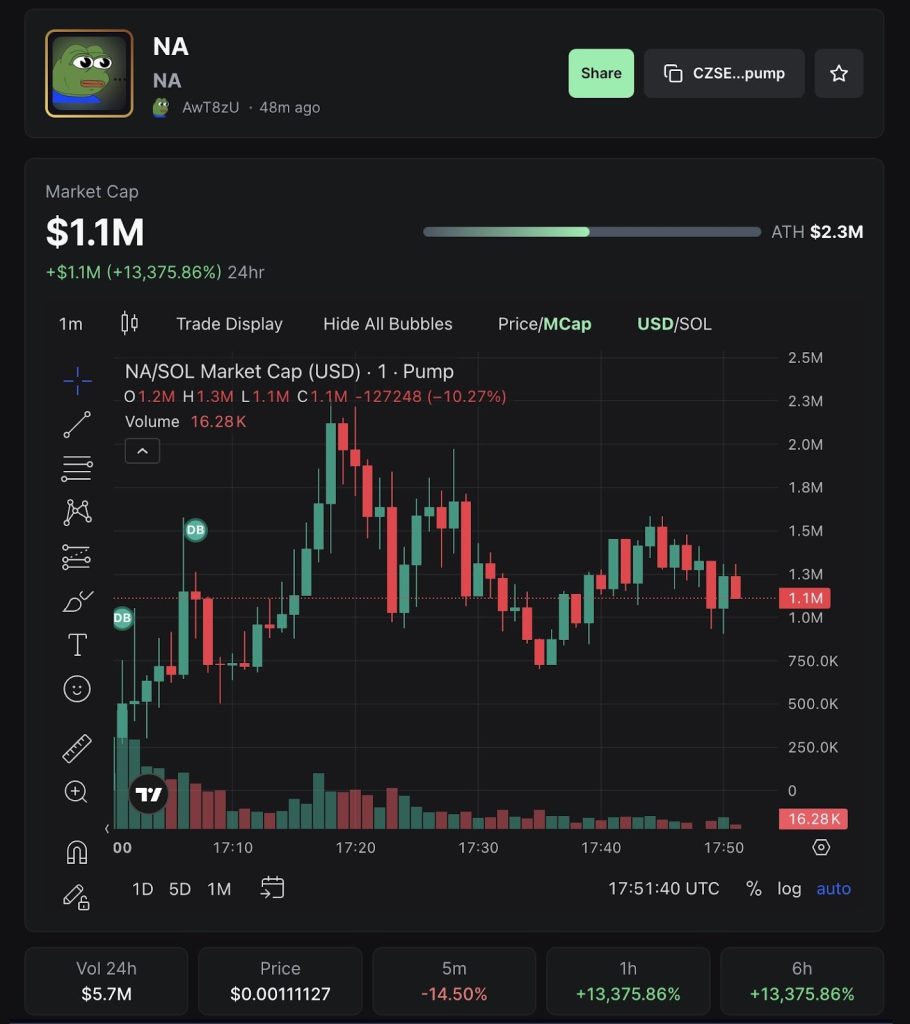
Trading data indicates that the deployer wallet accumulated tokens early at low valuations, making four purchases before the rapid price rally and subsequent collapse.
Shortly after the sell-off, the token appeared to be deleted from Pump.fun, effectively ending its trading activity.
Bubblemaps Finds Concentrated Supply in LICK Token Debut
Further scrutiny came from Bubblemaps, which reported that the deployer of LICK held approximately 40% of the total token supply at launch.
John Daghita (@lick), who stole $40M from the US government, just launched $LICK on pumpfun and is live streaming on Telegram
He holds 40% of the supply
Unhinged https://t.co/jUku6wIfXg pic.twitter.com/apZQojKnuz
Such concentration is widely viewed by analysts as a warning sign, as it allows insiders to exert outsized control over price action and liquidity.
Bubblemaps claimed that the same individual tied to the alleged theft controlled the deployer wallet and a significant share of the supply during the token’s launch phase.
The launch attracted attention after blockchain investigator ZachXBT said the wallet associated with the token deployer was connected to tens of millions of dollars in crypto allegedly tied to U.S. government-seized assets.
 @ZachXBT alleges a crypto theft from US government wallets is linked to the son of a federal crypto custody contractor’s CEO.#Hack #Cryptohttps://t.co/5G1BLSmHCn
In an X post on Jan. 23, ZachXBT claimed the individual behind the online alias “John Daghita,” also known as “Lick,” had displayed control over wallets holding approximately $23 million during a recorded dispute with another actor in a Telegram group.
Public records show that Command Services & Support, a Virginia-based firm whose president is Dean Daghita, received a U.S. Marshals Service contract in October 2024 to assist with the custody and disposal of certain digital assets seized by the government.
ZachXBT alleged that John Daghita, the president’s son, gained unauthorized access to wallets connected to those holdings.
The allegations have not been tested in court, and no criminal charges have been announced.
Meme Coin Chaos Deepens Across Solana’s Pump.fun Ecosystem
The incident has also drawn attention from policymakers, as Patrick Witt, director of the WHITE House Crypto Council, said in a post on X that he was reviewing the claims following ZachXBT’s disclosures.
On it. More to follow. https://t.co/lZJHM12Nx5
— Patrick Witt (@patrickjwitt) January 26, 2026Additionally, Blockchain investigator Specter reported that John Daghita deposited $35.2 million into Tornado Cash over two days, draining his primary wallet.
John Daghita has begun depositing funds into Tornado Cash. Over the past two days, a total of $35.2M has been deposited, emptying his key wallet:
0xd8bC7Ea538c2E9f178a18cc148892Ae914a55D08
Note: An ENS name (johnlick.eth) has been registered by an unknown individual and has… pic.twitter.com/ga8aLlFKIA
Remaining funds were distributed across multiple wallets and chains.
Specter also flagged high-value ETH and SOL transfers and warned that recipients may be receiving stolen funds, citing ongoing links to related wallets and Telegram activity.
According to BitcoinTreasuries.NET, U.S. authorities may control more than 328,000 bitcoin through various seizures, including assets from the Bitfinex case, potentially worth around $30 billion at current prices.
Beyond the specific allegations, the LICK collapse fits into a broader pattern within Solana’s meme coin ecosystem.
Data from early 2025 suggests that more than 98% of tokens launched on Pump.fun exhibit characteristics associated with rug pulls or rapid pump-and-dump schemes.
Recent cases have reinforced these concerns, as in December, Solana-based AI token AVA fell more than 96% after onchain analysis showed roughly 40% of its supply had been accumulated by wallets linked to the deployer at launch.
In January, the WhiteWhale memecoin briefly lost around 60% of its market value within minutes after a large holder sold a significant portion of the supply, an event widely described by traders as a rug pull despite later partial recovery.
