Senate Committee Delays Crypto Bill Markup After Coinbase Pushback - Regulatory Showdown Intensifies

Washington's crypto clash just hit a sudden pause—and the industry's biggest player just flexed its muscle.
The Delay That Speaks Volumes
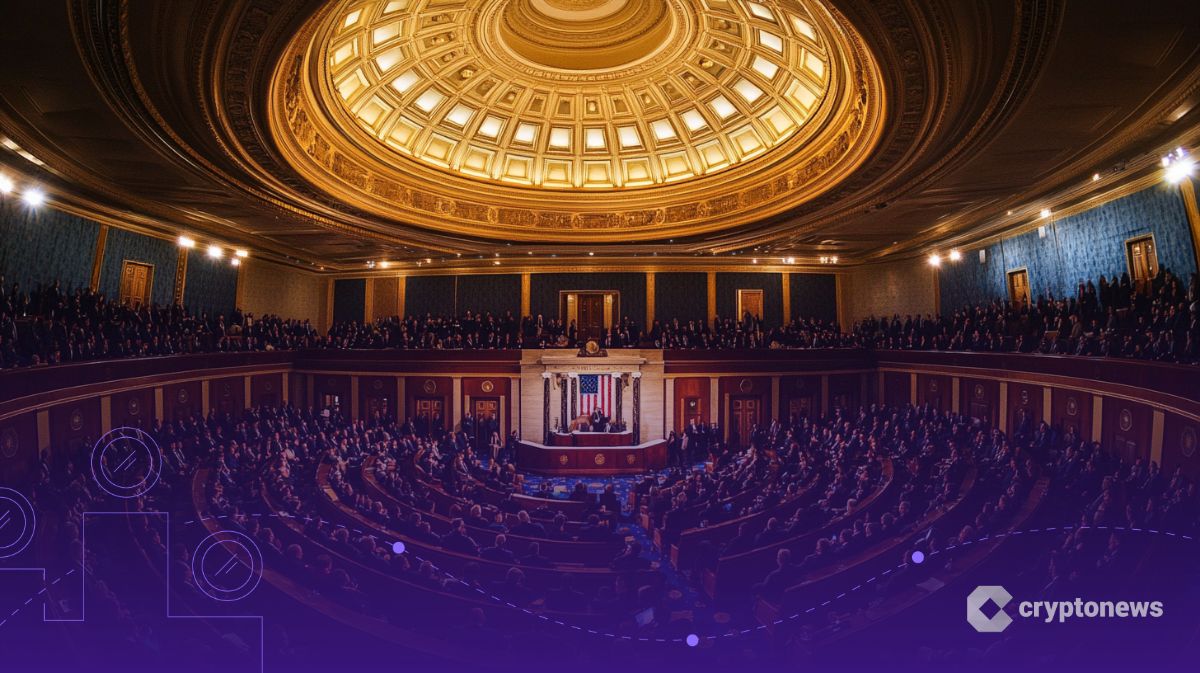
A key Senate committee abruptly postponed its markup of a landmark digital asset bill. No new date set. The move came directly after Coinbase, the U.S. crypto exchange giant, launched a concerted pushback against the proposed framework. It’s a classic D.C. maneuver: when the lobbying heat gets too high, hit the brakes.
Why the Bill Stalled
Sources close to the discussions hint the draft legislation faced mounting criticism for being overly restrictive. Coinbase’s opposition wasn't subtle—they mobilized users and argued the rules would stifle innovation and push development overseas. Turns out, when you threaten the business model of a multi-billion dollar public company, they tend to fight back. Who knew?
The Bigger Picture: A Regulatory Tug-of-War
This isn't just about one bill. It's the latest skirmish in a years-long war to define the rules of the road for digital assets. The delay signals a lack of consensus and highlights the growing political influence of the crypto sector. Lawmakers are learning that writing laws for a decentralized, global industry is harder than printing money—though the latter seems to be a more established governmental skill.
What Happens Next?
All eyes are on the committee’s next move. Will they revise, compromise, or dig in? The pause gives both sides time to regroup—and lobbyists time to earn their retainers. One thing's clear: the path to clear U.S. crypto regulation just got murkier. For now, the market operates in the gray area it knows so well, proving once again that in finance, uncertainty is the only real certainty.
Scott Signals Ongoing Talks Despite Industry Pushback
Coinbase’s objections landed in the middle of a fast-moving lobbying fight over stablecoin rewards, with banks pressing lawmakers to prevent crypto platforms from offering yield-like incentives that can look and feel like interest on deposits.
The banking industry says Congress already drew that line in the GENIUS Act, which prohibits stablecoin issuers from paying interest or yield simply for holding a payment stablecoin, and it argues the market structure bill should close what it calls an end run via exchange rewards.
Scott said he has spoken with stakeholders and signaled negotiations continue.
“This bill reflects months of serious bipartisan negotiations and real input from innovators, investors and law enforcement,” he said. “The goal is to deliver clear rules of the road that protect consumers, strengthen our national security, and ensure the future of finance is built in the United States.”
Markup Delay Extends Wait For Clear Crypto Framework
The draft in play would restrict paying interest solely for holding a stablecoin, and it would still allow rewards tied to activities such as payments or loyalty programs, with the SEC and CFTC tasked with setting disclosure rules.
The committee had aimed to take up the bill in a Thursday session originally set for 10 am ET, and the delay leaves the industry waiting again for a legislative path that could replace years of case by case enforcement with a single framework.
The Senate’s broader crypto calendar is already shifting. Senate Agriculture Committee Chairman John Boozman has also pushed his committee’s markup deeper into January, saying lawmakers need more time to lock down remaining policy details and build broad support.
