Fake Roblox Mods Target Gamers: Crypto-Stealing Malware Spikes Ahead of Holidays

Gaming communities are on high alert as a surge of malicious Roblox modifications promises free perks—only to drain digital wallets instead. The scam exploits the platform's massive young user base, many of whom are first-time crypto holders from play-to-earn rewards.
How the Attack Works
The malware typically hides inside 'free Robux' generators or exclusive skin mods. Once installed, it runs silently in the background, scanning for cryptocurrency wallet extensions and browser data. It doesn't just steal passwords—it intercepts transactions, replacing legitimate wallet addresses with the attacker's own. One cybersecurity firm noted these fake mods have spread across over a dozen gaming forums and Discord servers in the past month alone.
A Lucrative, Low-Risk Hunt
For threat actors, targeting gamers is a calculated move. Kids and teens often have smaller holdings spread across hot wallets—making thefts less noticeable—but the aggregate sums are substantial. It's a volume business with lower barriers than hacking institutional cold storage. Think of it as digital pickpocketing at a crowded concert, while Wall Street still worries about vault doors.
The Security Blind Spot
Traditional antivirus software frequently misses these threats because the malicious code is bundled inside what appears to be a legitimate game mod. The download sources look authentic, complete with fake user reviews and high ratings. Experts warn that the line between gaming utility and financial tool is blurring—and most security protocols haven't caught up.
Protecting Your Assets
Never download mods from unofficial sources, even if promoted by influencers. Use hardware wallets for any significant crypto holdings from gaming rewards. Enable two-factor authentication on every exchange and wallet account. Remember: if a mod promises something too good to be true, it's probably designed to transfer your assets to someone else's ledger—the oldest financial trick in the book, now with a blockchain wrapper.
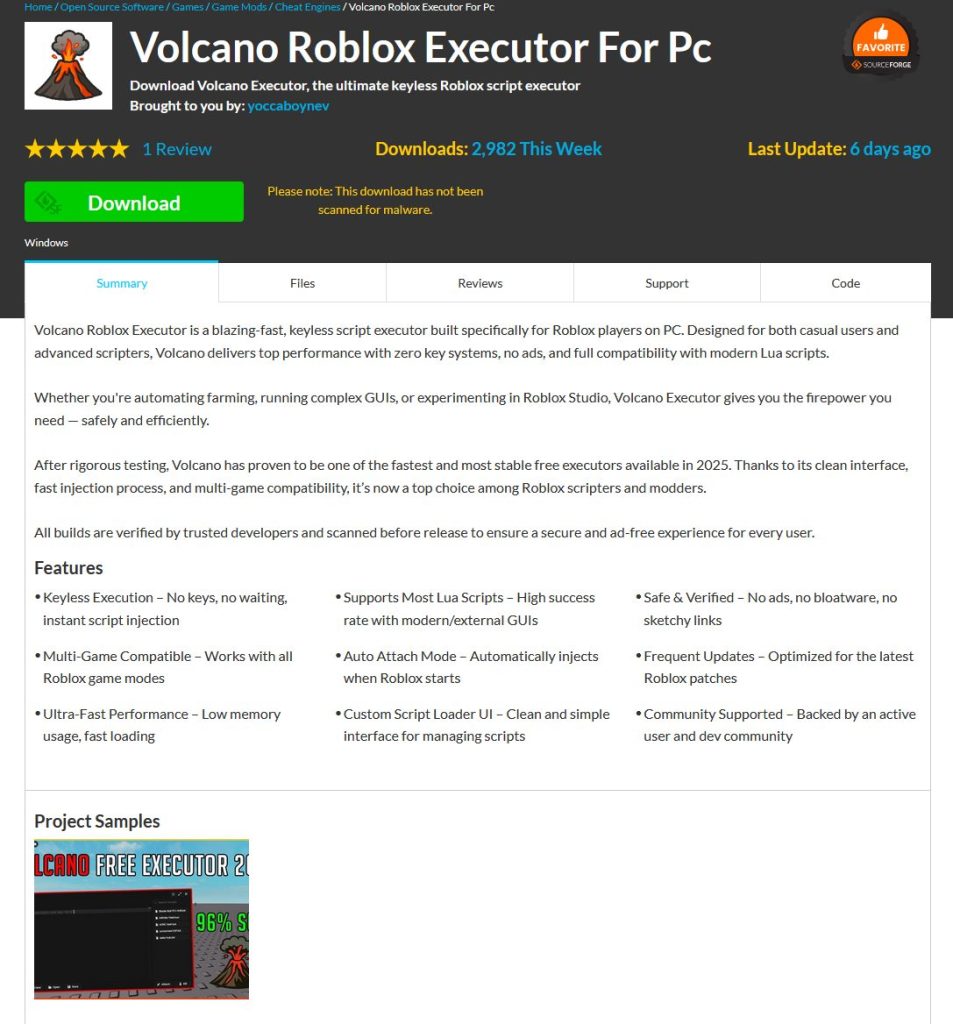 Attackers exploited the website. | Source: Kaspersky
The discovery marks the latest escalation in a broader pattern of gaming-focused malware campaigns, as cybercriminals increasingly exploit the trust gamers place in modding communities.
Attackers leverage popular search terms and authentic-looking download pages to lure victims, with some sites falsely claiming that virus scans are conducted before downloads, even though no such verification occurs.
The malicious files appear deliberately deceptive; one fake site advertised Half-Life 3 while describing it as “” using popular gaming titles merely as bait to maximize search engine visibility.

Extensive Arsenal Targets Crypto Wallets
According to the security firm, Stealka’s capabilities extend far beyond basic credential theft, targeting data from browsers built on Chromium and Gecko engines, putting over 100 applications, including Chrome, Firefox, Opera, and Edge, at immediate risk.
The malware extracts autofill data, session tokens, and cookies that allow attackers to bypass two-factor authentication and hijack accounts without passwords, while simultaneously targeting 115 browser extensions for crypto wallets, password managers, and authentication services.
High-value targets include crypto wallets such as Binance, Coinbase, MetaMask, Trust Wallet, and Phantom, as well as password managers such as 1Password, Bitwarden, LastPass, and NordPass.
The stealer downloads local configurations from 80 wallet applications, encompassing Bitcoin, Ethereum, Exodus, Monero, and Dogecoin, that may contain encrypted private keys and seed phrase data sufficient to compromise holdings.
Beyond crypto assets, Stealka infiltrates messaging apps like Discord and Telegram, email clients including Outlook and Thunderbird, gaming platforms such as Steam and Roblox launchers, VPN clients like ProtonVPN and Surfshark, and note-taking apps where users often improperly store sensitive information.
The malware additionally harvests system data, installed program lists, hardware specifications, and captures screenshots to maximize intelligence gathering.
Attackers have used compromised accounts to spread the malware further, with Kaspersky discovering the stealer in a GTA V mod posted by a previously hijacked account on a dedicated modding site.
Industry Faces Mounting Security Crisis
The Stealka campaign emerges amid catastrophic industry-wide security failures, as crypto platforms have lost $9.1 billion in 2025 alone, which is 10% of the $90 billion stolen over the past 15 years.
In November, losses exceeded $276 million, pushing the annual total past historical records.
“,” said Mitchell Amador, CEO of Immunefi, a crowdsourced security platform protecting $180 billion in assets.
“Most hacks this year haven’t occurred due to poor audits—they’ve happened after launch, during protocol upgrades, or through integration vulnerabilities.“
Amador emphasized that 99% of Web3 projects operate without basic firewalls while fewer than 10% deploy modern AI security tools, calling the sector’s approach ““
The human element has become the primary attack surface, with threat actors shifting from code vulnerabilities to operational security breaches as smart contracts become harder to exploit.
“The threat landscape is shifting from on-chain code vulnerabilities to operational security and treasury-level attacks,” Amador explained. “As code hardens, attackers target the human element.”
 North Korea's Famous Chollima hides malware in smart contracts via EtherHiding, posing as job recruiters after stealing $1.3B in 2024 and $2.2B in H1 2025.#NorthKorea #Blockchainhttps://t.co/8W6Pfj41u8
Kaspersky’s broader research reveals a sustained malware ecosystem, having previously documented the GitVenom campaign involving hundreds of fake GitHub repositories, SparkKitty mobile malware that infiltrated Apple’s App Store and Google Play to steal seed phrase screenshots via OCR, and ClipBanker trojans hidden in fake Microsoft Office downloads.
North Korean threat groups have also escalated tactics by weaponizing blockchain technology itself, embedding malware payloads in smart contracts on the BNB Smart Chain and Ethereum, creating a decentralized command-and-control infrastructure that law enforcement cannot shut down.
For now, Kaspersky recommends users to do the following:
- Deploy reliable antivirus software.
- Avoid storing sensitive credentials in browsers.
- Exercise extreme caution with game cheats and pirated software.
- Enable two-factor authentication with backup codes stored in encrypted password managers rather than text files.
- Refrain from downloading software from untrusted sources despite the convenience they may offer.
