Russia’s Crypto Countdown: Central Bank Tightens Grip with 2026 Legal Deadline

Russia's financial regulators are drawing a hard line in the digital sand. The Central Bank is locking down control, setting a firm 2026 deadline for comprehensive crypto legislation—a move that signals the end of the wild west era for digital assets within its borders.
The Regulatory Hammer Drops
Forget vague promises or open-ended consultations. The timeline is now concrete: 2026. That's the year Russia's crypto ecosystem gets its official rulebook, with the Central Bank positioned as the primary architect and enforcer. This isn't about fostering innovation; it's about establishing sovereignty over a financial frontier that has operated in a grey zone for years.
The implications are stark. Expect stringent licensing, aggressive oversight of exchanges and wallet providers, and capital controls that make moving crypto across borders a bureaucratic marathon. The freewheeling days are officially numbered.
A Calculated Power Play
This deadline isn't just a date on a calendar—it's a statement of intent. By centralizing authority, the state aims to choke off capital flight, monitor transactions with a hawk's eye, and potentially co-opt blockchain infrastructure for its own digital currency ambitions. It's the ultimate expression of financial control, dressed up as market stabilization. Because nothing says 'stable' like a government monopoly, right?
The global crypto market watches, knowing that one of the world's largest economies is choosing the iron fist over the invisible hand. For Russian crypto natives, the clock is ticking. Adapt, comply, or get out. The 2026 deadline isn't a suggestion; it's an ultimatum.
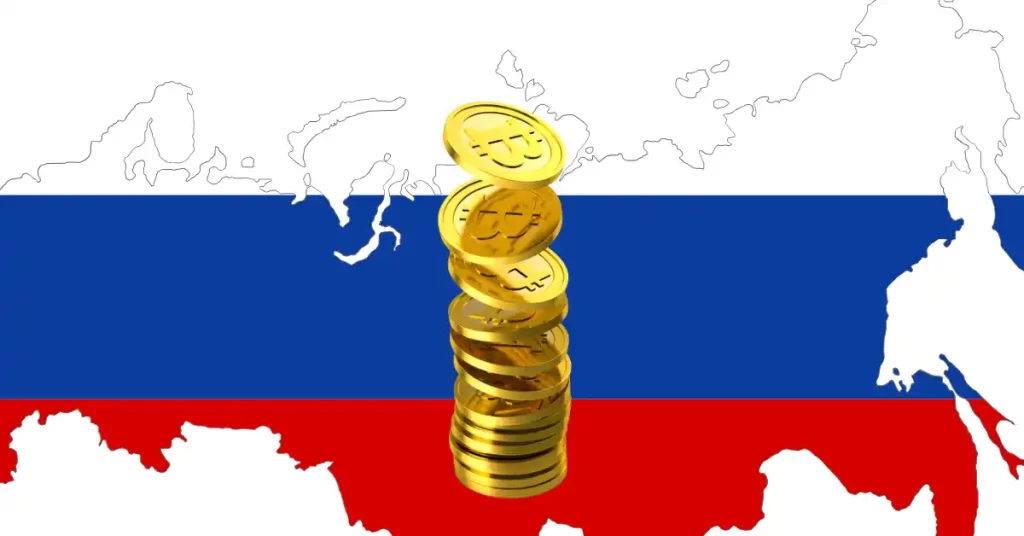
Russia’s central bank has announced a major step toward regulating the future of cryptocurrencies. The Bank of Russia has released a plan to create clear laws for digital assets, aiming to finish the legal framework by July 1, 2026.
This MOVE comes as millions of Russians use crypto, and holdings in digital assets continue to grow.
What Russia’s Crypto Plan Means
According to the central bank, the legal groundwork for regulating cryptocurrencies must be completed by July 1, 2026. This move aims to define how crypto is used, monitored, and controlled across the Russian financial system.
The Bank of Russia has already submitted its proposed changes to the government. These proposals are part of a broader concept that explains how cryptocurrencies should be treated under Russian law.
The focus is not just on users, but also on crypto intermediaries, platforms, and services that help people buy, sell, or move digital assets. The regulator wants these activities to follow strict rules, similar to how banks and financial firms are regulated today.
According to RIA Novosti, the Bank of Russia has released a concept framework for cryptocurrency regulation and submitted proposed legislative amendments to the government. The plan aims to complete the legal groundwork by July 1, 2026, and to introduce liability for illegal…
— Wu Blockchain (@WuBlockchain) December 23, 2025Illegal Crypto Activity to Face Penalties by 2027
One of the strongest points in the plan is the introduction of legal responsibility for illegal crypto operations. Starting July 1, 2027, intermediaries that operate outside the law could face penalties, much like those involved in illegal banking activities.
This means running unregistered crypto services, helping users bypass rules, or offering hidden financial services could lead to serious legal trouble.
Meanwhile, the central bank made it clear that this approach is meant to reduce financial risks, protect users, and prevent cryptocurrencies from being used for illegal purposes.
Why Russia Is Moving Now
Crypto use has grown rapidly around the world, and many countries are already setting clear rules. Russia is now responding by building its own legal framework to manage this growing market.
Earlier estimates suggest that nearly 20 million Russians actively use cryptocurrencies, mainly for investing or storing value. Russian users also hold large amounts of crypto on exchanges, with Bitcoin, Ethereum, and stablecoins like USDT and USDC being the most popular.
Because crypto activity is already widespread, officials believe clear laws are needed. These rules aim to reduce risks, control illegal activity, and allow limited but regulated use of digital assets inside the country.
