OpenAI’s ’Infinite Slop’ Backlash: AI Shopping Push and Video App Face Mounting Criticism

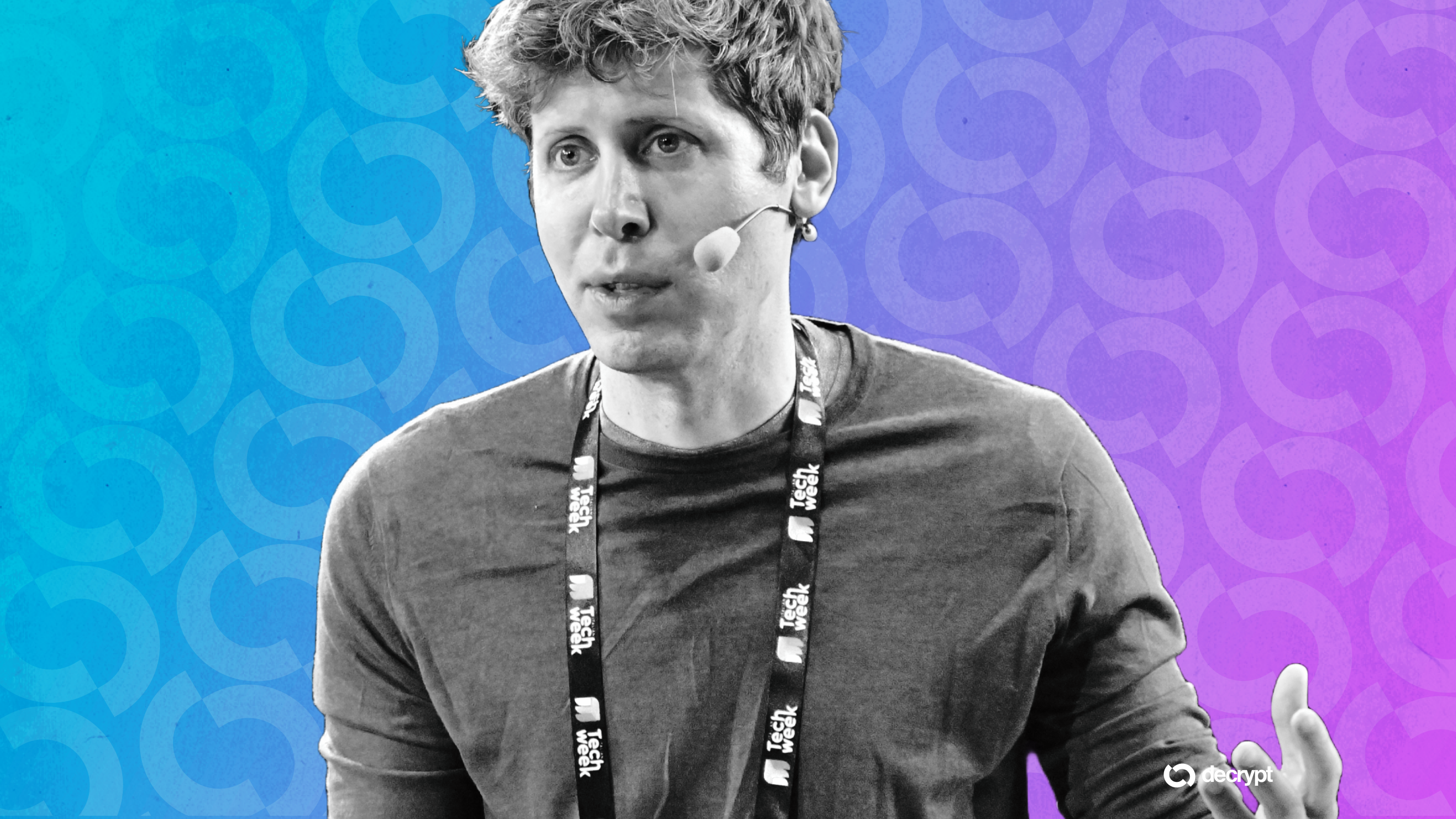
OpenAI's latest expansion hits consumer resistance as critics decry the company's aggressive commercial pivot.
The AI Shopping Controversy
Users revolt against what they're calling 'infinite slop' - AI-generated product recommendations that feel more like digital spam than helpful assistance. The push into e-commerce integration has sparked debates about whether OpenAI is losing its innovative edge in favor of revenue chasing.
Video App Backlash
Meanwhile, the company's new video application faces similar skepticism. Early adopters report underwhelming performance and question whether the technology delivers on its ambitious promises. The timing couldn't be worse - just when investors were hoping for another ChatGPT-level breakthrough.
Finance observers note the familiar pattern: another tech giant discovering that monetization strategies work better on PowerPoint slides than in the real world. The whole situation feels like watching someone try to force a square peg into a round hole - with venture capital funding.
Mounting disillusionment
The reaction underscores growing disillusionment not only with OpenAI, but also with other large tech platforms pursuing similar strategies. Meta Platforms Inc., which recently rolled out its own AI-generated content feed—derisively nicknamed a “slop machine” by users—has faced comparable criticism for flooding social networks with synthetic media.
Together, the two developments have become emblematic of a broader unease within the technology sector: that AI companies, once heralded for breakthroughs in reasoning and automation, are now focused on producing easily monetized but low-value content while driving up costs across the digital economy.
A widely circulated post on X, formerly Twitter, captured this sentiment following a Bloomberg report on surging power prices linked to data-center growth:
A 267% tax on everyone to subsidize the worst hiring freeze in a over a decade, tank high school literacy rates for a book report cheating engine, overrun the internet with worthless slop content, and mint a new cohort of dork billionaires by propping up a tech finance bubble. https://t.co/roBNS14W7N
— austerity is theft (@wideofthepost) September 30, 2025
Concerns over concentration and cost
In commerce, analysts view OpenAI’s Shopify collaboration as a significant step toward monetizing ChatGPT beyond subscriptions. But the integration has prompted antitrust and transparency concerns. By embedding shopping within its conversational interface, OpenAI could exert outsized influence over which products consumers see and buy.
“This positions OpenAI as a retail gatekeeper,” tweeted Yuchen Jin, co-founder of AI startup Hyperbolic Labs. “When discovery, recommendation, and payment all converge inside a single AI system, the company behind it gains tremendous control over market access.”
Privacy advocates also warn that linking search, conversation, and purchasing could yield unprecedented behavioral data, raising questions about how such information will be stored and monetized.
Fears of "infinite slop"
The Sora 2 app has drawn an even sharper response. Pre-launch descriptions suggested users WOULD be able to prompt the model to produce 10-second clips, remix others’ creations, and scroll through an endless “For You” feed of machine-made videos. OpenAI has said the platform will include identity-verification tools and copyright opt-outs to mitigate deepfake risks and legal disputes.
Despite those safeguards, many observers see the product as emblematic of a troubling trend: an industry investing heavily in synthetic entertainment rather than in research toward general-purpose intelligence.
“We were promised AGI, ASI, personal superintelligence,” Jin wrote in a separate X post. “Instead, we’re getting infinite slop machines that turn us into dopamine-addicted zombies.”
We were promised AGI, ASI, personal superintelligence.
Instead, we will get infinite slop machines that turn us into dopamine-addicted zombies. pic.twitter.com/NfeugWSyFJ
— Yuchen Jin (@Yuchenj_UW) September 29, 2025
Environmental groups have also criticized the energy demands of large-scale video generation, noting that training and operating such models carries a substantial carbon footprint.
Supporters argue the new products democratize access to advanced tools—helping small businesses reach customers and enabling everyday users to create professional-quality media. But detractors contend the strategy signals a commercial pivot that risks eroding public trust.
OpenAI, now valued at more than $150 billion, began as a nonprofit research lab before restructuring into a hybrid capped-profit model. Under Altman’s leadership, it has prioritized consumer products, including ChatGPT, enterprise software, and partnerships with major technology and retail firms.
