Iran Conflict Halts Tankers: Shell Gasoline Prices Surge Globally in 2026 Energy Shock

Geopolitical flashpoint slams the brakes on global energy flows. Tankers idle. Prices rocket.
The Strait Squeeze
A fresh spike in Middle East tensions has thrown maritime trade into chaos. Critical shipping lanes are effectively frozen, creating an instant supply vacuum. The market's response was immediate and brutal.
Shell's Shockwave
Shell, the oil and gas behemoth, didn't hesitate. Its pricing algorithms reacted to the looming shortage, sending gasoline costs soaring at pumps worldwide. This isn't a forecast—it's a real-time demand shock hitting consumers and corporations alike. Another masterclass in passing risk directly to the end-user.
The Ripple Effect
Every sector tied to logistics and transport just saw its cost base explode. The inflationary pressure from energy is a wrecking ball for central bank models, which were already struggling with outdated playbooks. Traders are scrambling, while traditional hedges show their fragility.
The New Safe Haven?
Watch where the smart money flows. When physical corridors block, digital corridors light up. These events underscore a brutal truth: the old system is held together by fraying threads of geopolitical stability. One spark, and the whole tinderbox of global trade can ignite—proving, yet again, that the most reliable hedge is often against the system itself.
Shell Gasoline Price Today Soars With Oil And Gas Price Turmoil
The Strait of Hormuz Grinds to a Halt
On a normal day, around 80 tankers cross the Strait of Hormuz. On Monday, only two did. Crude tanker transits dropped to just four vessels, against a daily average of 24 since January, according to Vortexa vessel-tracking data. Hundreds of tankers loaded with oil and LNG now sit NEAR major hubs like Fujairah, going nowhere, unable to reach customers in Asia, Europe, or anywhere else.
Dan Pickering, chief investment officer of Pickering Energy Partners, stated:
“It’s a de facto closure. You’ve got a significant number of vessels on either side of the strait but no one is willing to go through.”
Iran has also been direct about why. IRGC Navy official Mohammad Akbarzadeh said:
“Currently, the Strait of Hormuz is under the complete control of the Islamic Republic’s Navy.”
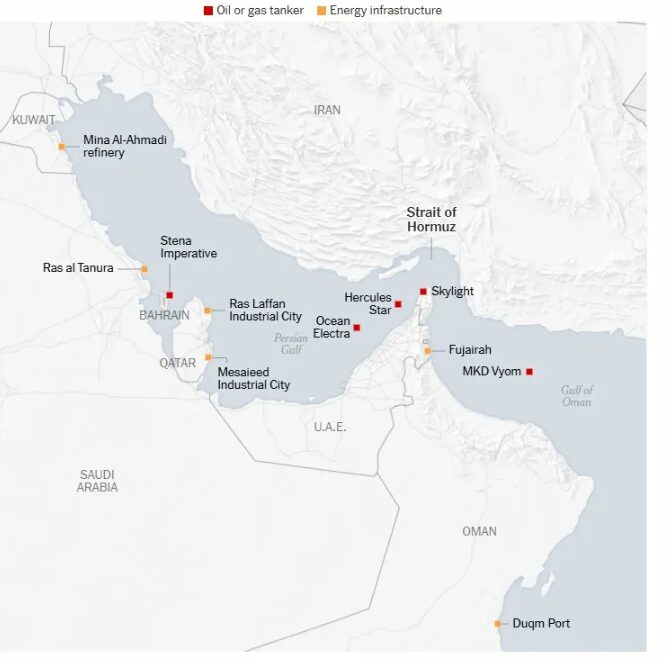
Energy Output Collapses Across the Region
Qatar halted LNG production Monday — those facilities supply around 20% of global LNG exports. Saudi Arabia also suspended output at its largest refinery. Iraq already cut 700,000 bpd from Rumaila and another 460,000 bpd from West Qurna 2, and it now warns it may slash over 3 million bpd total if tanker movement doesn’t come back. European gas prices jumped as much as 40% on Tuesday, adding to a 40% spike the day before. Oil and gas prices right now sit at levels the market hasn’t seen since early 2025.
Shell Gasoline Prices Hit $3 and a Political Nerve
Shell gasoline and other U.S. fuel costs crossed $3 per gallon for the first time since November — just weeks after President TRUMP had been touting prices below $2. Gasoline price today has turned into a real political problem ahead of midterm elections, and Washington is feeling the pressure.
President Trump said Tuesday that the U.S. Navy WOULD begin escorting oil tankers through the strait “,” also announcing political risk insurance for shipping lines operating in the Gulf — one of the administration’s most direct moves yet to fight rising shell gasoline prices.
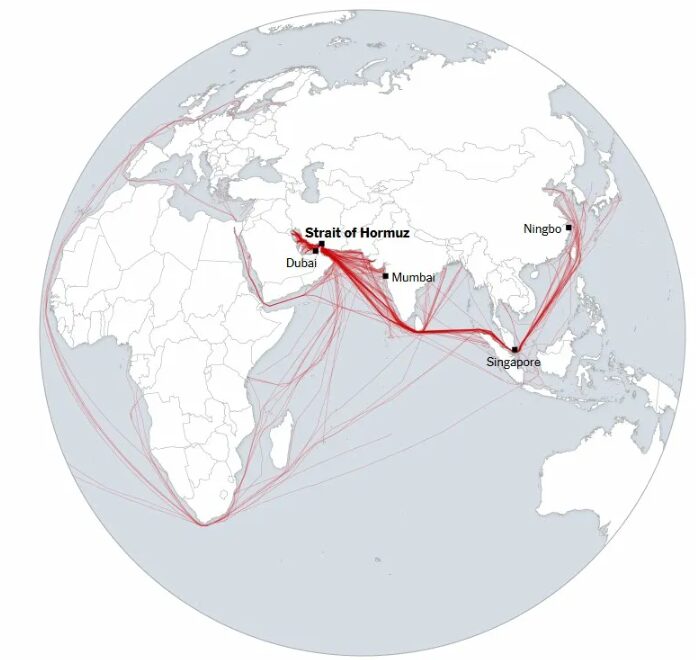
More than 80% of the oil and gas that moved through the Strait of Hormuz in 2024 went to Asia — China, India, Japan, and South Korea leading the way. Those countries hold stockpiles that could last into the coming months, but Strait of Hormuz news today makes it clear the clock is ticking. Shell gasoline and broader fuel markets keep rising, and oil and gas prices look set to climb further if no resolution appears. At the time of writing, no diplomatic breakthrough has come.
