BRICS Shakes Dollar Dominance: Indian Railway Ditches USD for Franc in Historic Pivot

Forget subtle policy shifts—this is a direct shot across the bow of the greenback. The Indian Railways, a state-owned behemoth, is executing a tangible de-dollarization play, swapping out US currency for the Swiss franc in its international dealings. It’s not theoretical economics; it’s a ledger-level bypass of the traditional reserve currency.
The Mechanics of the Maneuver
The move replaces USD-denominated contracts and transactions with franc-based agreements. This isn't about abandoning one fiat for another on a whim—it's a calculated strategic diversification. By adopting the franc, a currency perceived as a stable, neutral alternative, the entity insulates itself from dollar-specific volatility and geopolitical leverage. Think of it as financial supply-chain restructuring.
Why This Cuts Deeper Than Talk
BRICS nations have long discussed reducing dollar dependency. Talk is cheap. Action—especially by a colossal, infrastructure-critical arm of a major economy—carries weight. It signals to other state-owned enterprises and trading partners that viable, operational alternatives exist. It creates a blueprint, proving the plumbing can be re-routed.
The Ripple Effect and the Cynical Take
Every contract switched from dollars to francs weakens the dollar's transactional stranglehold by a fraction. Multiply that across potential follow-on actions, and the foundation erodes. It’s death by a thousand paper cuts to exorbitant privilege. Of course, Wall Street will call it a niche move—right up until it isn't. After all, traditional finance has a stellar history of spotting tectonic shifts just before the floor gives way.
The bottom line? A major national asset is actively rewiring its financial rails. When the trains start running on a different currency track, you can bet others are looking at the schedule.
BRICS: De-Dollarization Enters Indian Railway Finance Corporation, Loan Swap From USD to Swiss Franc
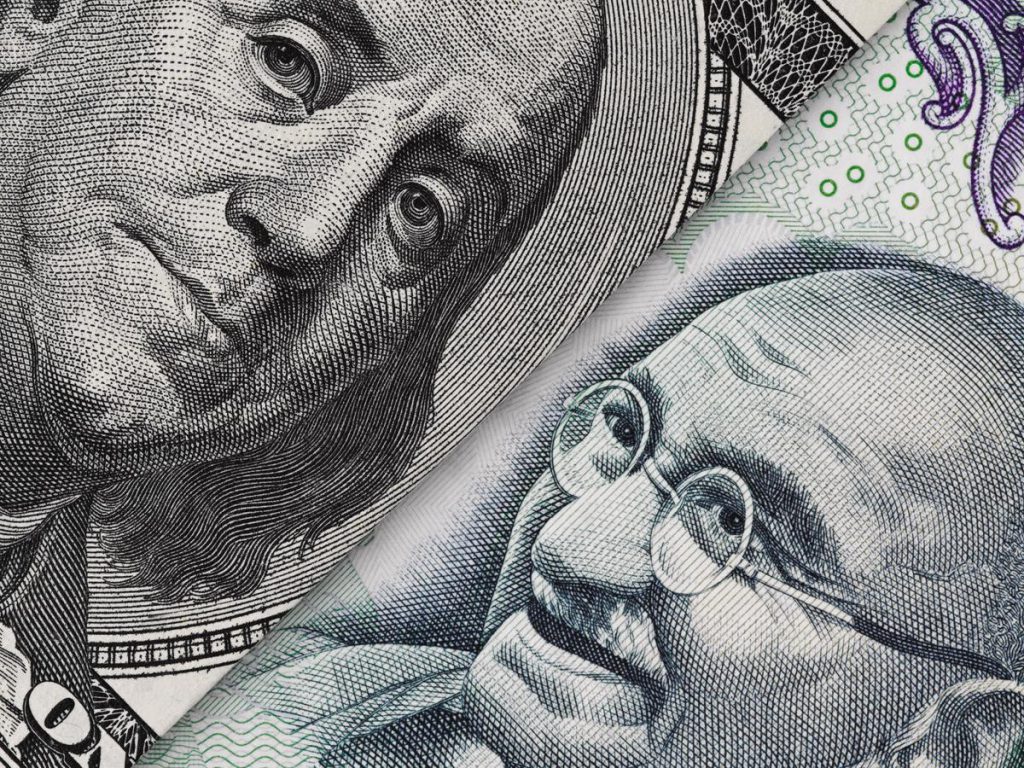
BRICS member India is considering various options to limit the damage from the falling rupee against the USD. If the Indian Railway Finance Corporation agrees to swap loans for Swiss francs, the USD will be hit. The State-run railway arm is worth $6.34 billion, with its total asset value boasting a staggering $56 billion.
If the BRICS nations’ rail financier swaps loans from USD to Swiss franc, many more State-run firms could follow suit. The Indian government holds a significant number of State-run Public Sector Undertakings(PSUs). They include banks, oil refineries, power grids, mineral explorations, electricity firms, fisheries, and coffee, among others.
Chances of many other PSUs taking the Indian Railway route of de-dollarization could grow after IRFC approves of loan swaps. This could be a significant talking point for India when it hosts the BRICS summit in New Delhi this year. Therefore, the rupee’s decline is both a boon and a bane for the country.
