De-Dollarization: How Long Can the US Dollar’s Reign Really Last?

The world's financial bedrock is cracking. Nations are quietly—and sometimes loudly—ditching the greenback.
The Quiet Exodus
Central banks aren't just talking about diversification anymore; they're doing it. Gold reserves are climbing. Bilateral trade agreements are bypassing SWIFT. It's a slow-motion financial revolt, and Washington can't seem to stop it.
Digital Challengers at the Gate
Forget just yuan or euro baskets. The real threat is digital. Central Bank Digital Currencies (CBDCs) and borderless crypto networks offer a tantalizing alternative to a system bogged down by sanctions and political whims. Why use a currency that comes with geopolitical strings attached?
The Tipping Point
Dominance isn't lost in a day. It erodes through a thousand small transactions—an oil deal settled in yuan, a bond issued in digital euros, a remittance corridor running on a stablecoin. Each one chips away at the dollar's monopoly on trust.
The dollar's reign was built on stability and deep markets. Now, its own weaponization is its greatest vulnerability. The financial world is building escape routes, and the clock is ticking. After all, in global finance, the best hedge is against the guy who prints the rules—and the currency.
De-Dollarization: Will the Axe Fall on the US Dollar’s Neck?

The axe has been hanging above the US dollar’s neck since 2022 after the WHITE House imposed sanctions on Russia. Since then, developing countries kick-started the de-dollarization agenda to reduce US dollar dependency. The steps taken to end reliance on the currency are:
For a start, most of these ideas are working and have delivered the desired results, except that the new payment system is yet to make headway. These are small wins compared to the mighty greenback that is the backbone of the global economy. The scale of the de-dollarization agenda is small, as 90% of all transactions are settled in the US dollar.
Bottom Line: Will the Greenback Lose Its Crown?
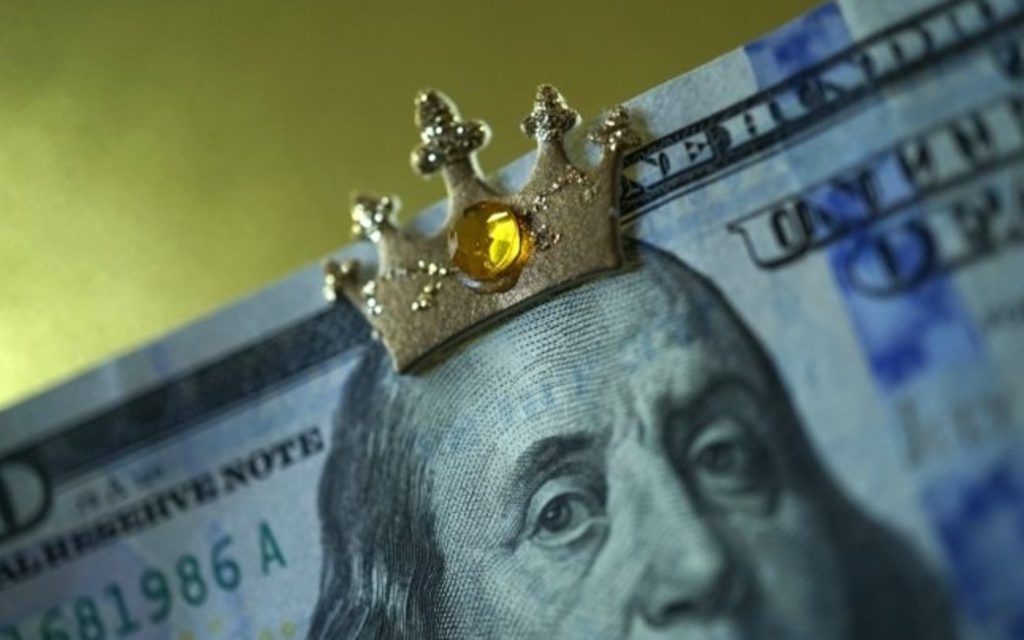
De-dollarization and the anger against the US dollar are real. But this is evolutionary, not revolutionary. This is simply because of the fact that no real currency has emerged to take its place. The euro, pound, and franc are unable to provide a challenge, despite being right below the greenback. Even the Japanese yen, Chinese yuan, and the Indian rupee are unable to beat European currencies, let alone the USD.
In conclusion, de-dollarization could make the US dollar less dominant, but its place at the top will remain, as long as no other currency is seen as equal. Until then, the greenback will still sit on the throne, wear that crown, and govern the world, even if developing countries like it or not, as that’s the unbending reality.
