Cuba Partially Formalizes De-Dollarization: A Quiet Shift in Global Finance

Havana just made its anti-dollar stance official—and the implications ripple far beyond the Caribbean.
The move signals more than just domestic policy. It's a calculated step in the global chess match against traditional reserve currencies, happening while most Wall Street analysts were checking year-end bonuses.
Why This Isn't Just Local News
Forget isolated sanctions workarounds. Cuba's partial formalization acts as a live-fire test for de-dollarized trade systems. It proves that nations can build functional, if imperfect, financial corridors outside the SWIFT network and dollar-denominated settlements.
The Tech Powering the Pivot
This shift isn't powered by paper decrees alone. Digital infrastructure—from centralized digital ledgers to potential CBDC frameworks—enables the granular control needed for such a transition. It's a blueprint for monetary sovereignty, built with 21st-century tools.
A Nod to the Crypto Thesis
While not a direct adoption, Cuba's maneuver validates a core crypto argument: the global financial system is fragmenting. As nations seek autonomy, the demand for neutral, borderless settlement layers only grows. Bitcoin and major stablecoins aren't in the decree, but they're smiling from the sidelines.
The Bottom Line
Cuba's move is a crack in the monolith. It won't topple the dollar overnight—traditional finance still throws a great party with other people's money. But it adds momentum to a tectonic shift: the world is quietly building a financial system where the U.S. dollar is an option, not a mandate. The era of a single global reserve currency is over; the race for what comes next has begun.
Cuba’s De-Dollarization Plan Faces Criticism
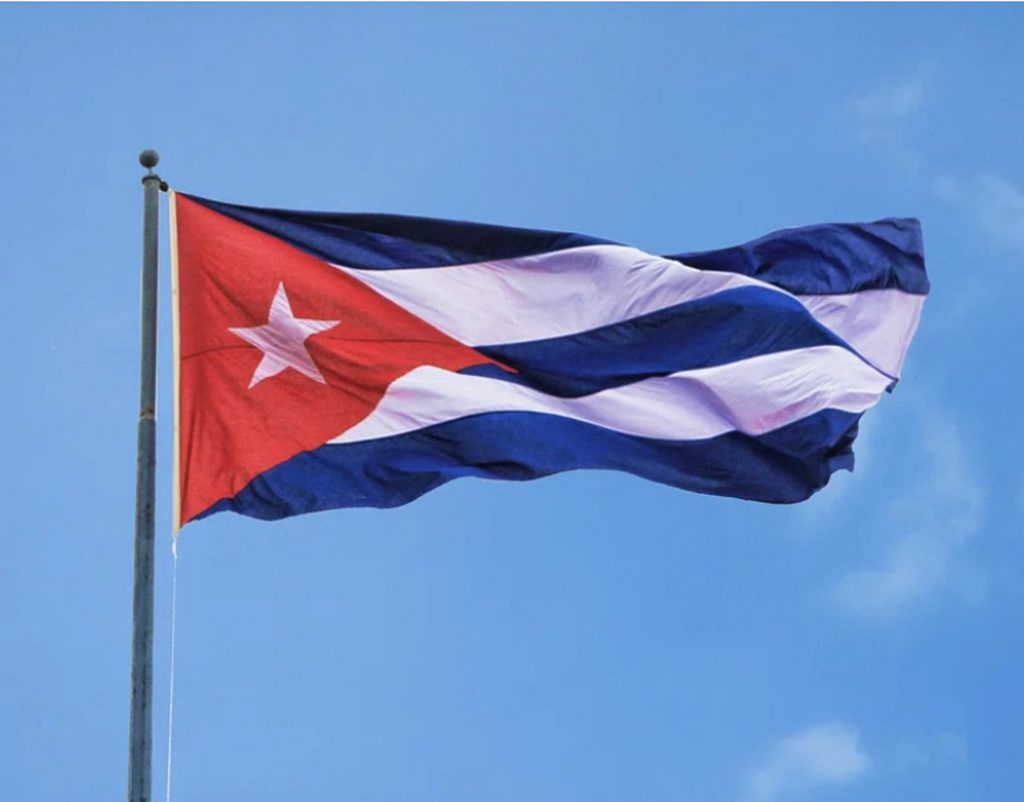
Government centralized currency control means only a few selected firms can get access to the US dollar. The others will be at a disadvantage, and only those close to the government’s circle could benefit. This could lead to more corruption in Cuba masquerading in the FORM of de-dollarization. Only selected companies can buy foreign currencies using pesos, paving the way for politicians to decide.
The trust in the banking system among the people of Cuba is already low due to rampant corruption. US dollar deposits were not respected by the banks, and discouraged entrepreneurs from depositing the currency. This led to the informal market (black market) to take shape as the US dollar is more valuable. Cuba’s partial de-dollarization motives could face setbacks and inadvertently push people towards the black market sector.
This isn’t the first time that Cuba has initiated de-dollarization, claiming to revive its economy. It was done in the 1990s, and many other times, but failed in its progress. This time around, too, the public remains skeptical of the government’s idea.
