Japan’s Crypto Revolution: FSA’s 2025 Regulatory Overhaul Sparks Market Frenzy

Japan's Financial Services Agency (FSA) just dropped a bombshell—new crypto regulations set to reshape the landscape by 2025. Buckle up.
The Regulatory Big Bang
The FSA's proposal isn't just tweaking rules—it's launching a full-scale modernization of Japan's crypto framework. Expect tighter oversight, clearer tax guidelines, and—finally—institutional-grade custody solutions.
Exchange Exodus or Gold Rush?
While some exchanges might balk at compliance costs, others see dollar signs. The new rules could turn Japan into Asia's crypto gateway—if they don't strangle innovation first. (Classic regulator move: one hand giveth, the other taketh away.)
Stablecoins Get a Seat at the Table
Forget wild west days—the FSA's bringing stablecoins into the fold with bank-backed guarantees. Tether won't know what hit it.
Japan's playing for keeps. Whether this kills crypto or crowns it king? Place your bets—the house always wins.
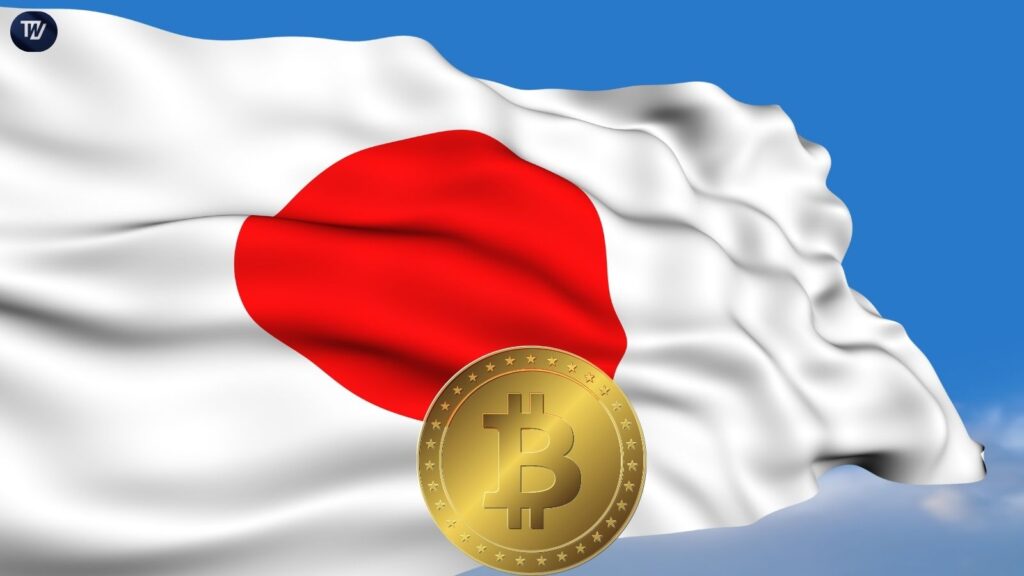
- Japan’s FSA proposes new regulations for crypto custody services to enhance security and protect users’ assets.
- The move is a response to growing concerns about unregulated custody services and aims to create a more secure crypto ecosystem.
- The FSA plans to submit amendments to the Financial Instruments and Exchange Act in 2026, marking a significant step towards a more regulated crypto market in Japan.
Japan’s FSA intends to impose new stricter requirements for custodial services and at the same time to motivate crypto users to self-manage wallets so as not to be reliant on custodial services.The measure is in the pipeline since the San Francisco agency is very concerned about the situation which it described as “anarchy” in the custody market and envisages the basis for a clean and secure crypto world after enforcement.
Enhanced Security Measures
As per the plan of the FSA, it should be the law that the providers of trade and custody services register officially their activities with the competent authorities, and only those registered providers can offer services to exchanges which shall run their business. By this method, Bitcoin exchanges and end users will be protected from cybercriminals. Indeed, the new regulation is part of a wider project aimed at liberating a safer crypto ecosystem.

Lessons from the Past
When DMM bitcoin was the victim of an attack in 2024, 48.2 billion yen ($312 million) worth of bitcoin was taken, and this incident among others has served as a factor in demonstrating that a more stringent regulatory environment is necessary.
The place from which the attacker accessed the operation was identified as Ginco, a Tokyo-based software company that was offering services for trading management. This incident has led the FSA to initiate tighter monitoring of the safety measures implemented by crypto exchanges and their service providers.
Promoting Local Stablecoin Projects
The good news is that the FSA is not hanging back in its effort to assist domestic stablecoin projects. Last month, the agency officially endorsed JPYC, the first Japanese stablecoin linked to the yen, which was shortly launched. Besides, the FSA is financing a stablecoin pilot project involving the three major banks of Japan — Mizuho Bank, MUFG, and SMBC.

A New Era for Crypto Regulation
The new system that is being proposed will enable the regulators to be more explicit concerning the regulations surrounding digital assets in Japan. Having the discussions on the new regulations, the FSA plans to submit its report with the recommended changes to the Financial Instruments and Exchange Act during the 2026 ordinary Diet session. So, it’s a big move in the direction of a better regulated and more secure crypto market in Japan.

Conclusion
The Japanese crypto industry can have a comforting thought as the country clamp downs on the crypto custody services by means of stringent regulations. It is a powerful indication that security in the crypto sphere and the welfare of users are put at the forefront. Besides, it is a change in the regulatory landscape, and it WOULD be interesting to see how crypto exchanges and service providers react to the arrival of new rules.
