Crypto Veteran David Sacks Dismisses NYT Accusations as "Nothing Burger" - Here’s Why It Matters

Another day, another crypto controversy—but this time, a heavyweight investor is brushing it off.
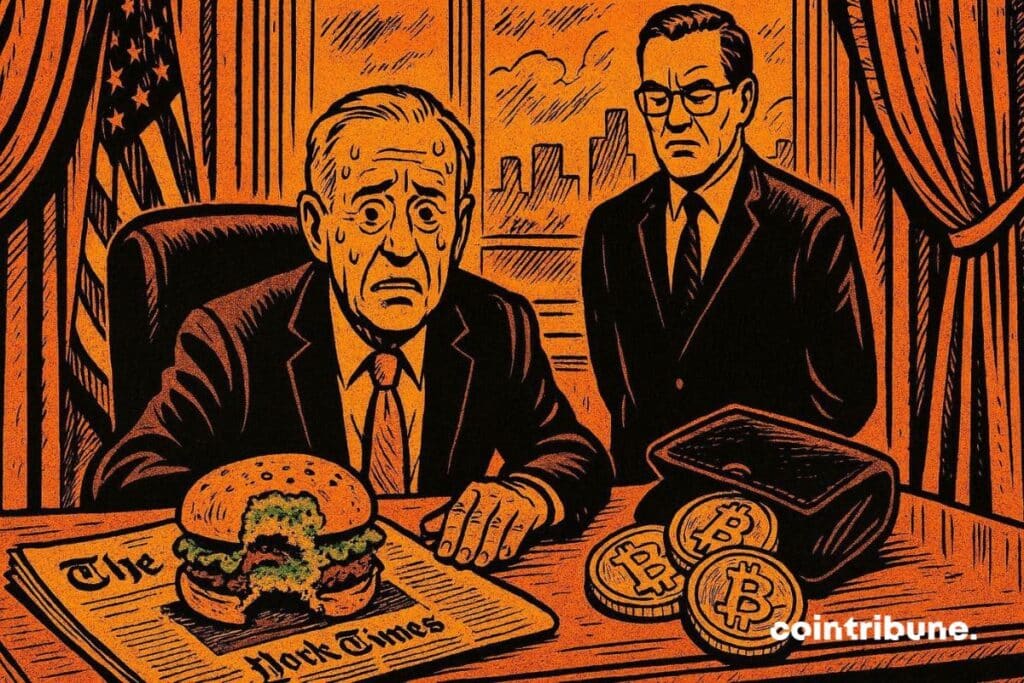
David Sacks, the seasoned venture capitalist and outspoken crypto advocate, just labeled The New York Times' latest accusations against the industry a "nothing burger." The dismissive comment cuts through the noise, suggesting the media narrative might be more smoke than fire.
The Media vs. Crypto: An Enduring Clash
Mainstream financial outlets love a crypto scandal. It drives clicks, fuels debates, and lets traditional finance pundits feel superior for a news cycle. The latest allegations follow a familiar script: hint at shadowy dealings, question legitimacy, and watch the market flinch.
Sacks' rebuttal isn't just talk. It's a signal to the market that insiders aren't sweating the headlines. When a figure with his track record calls something insignificant, institutional money listens.
Why "Nothing Burgers" Matter for Your Portfolio
Volatility based on news cycles is a tax on the impatient investor. Every sensational headline creates a potential buying opportunity for those who see the underlying technology, not just the daily drama. The real assets aren't swayed by newspaper columns—they're built on code and adoption.
This pattern is classic: legacy media sows doubt, weak hands sell, and the foundational growth narrative continues uninterrupted. It's almost as reliable as a bank charging a fee for a service that blockchain does for free.
The takeaway? Noise is cheap. Building the future of finance isn't. While newspapers hunt for scandals, the decentralized economy keeps clocking in—no headlines required.
 Read us on Google News
En bref
- David Sacks rejects the New York Times’ accusations of conflicts of interest, calling their report a “nothing burger”.
- David Sacks counterattacks the NYT with a letter from his lawyers, demanding a retraction and threatening defamation lawsuits.
- In a pro-crypto administration, the Sacks VS NYT clash highlights the tensions between crypto innovation and political transparency.
David Sacks, the Crypto Tsar under fire
The New York Times recently published an article accusing David Sacks, nicknamed the crypto Tsar under the Trump administration, of using his position to favor private companies. According to the NYT, Sacks allegedly used his role to influence defense contracts. But also to promote companies such as Nvidia, Anduril, or Groq, in which he supposedly has financial interests.
The journalists rely on anonymous sources and interpretations of public documents to support their accusations. They mention secret meetings with CEOs, promises of privileged access to Donald Trump, and influence over strategic technological decisions. The timing of these NYT revelations, amid the rise of crypto in political debate, raises questions about the NYT’s motivations… Could they be an attempt to discredit Trump’s crypto strategy?
Sacks’ sharp response to the New York Times and a defamation lawsuit?
David Sacks quickly reacted. In a series of posts and through a letter from his lawyers, he calls the New York Times article a “nothing burger”! A baseless scandal. According to him, the NYT deliberately ignored his responses and distorted facts to serve a preconceived narrative.
Sacks claims to have declared all his financial interests to the Office of Government Ethics (OGE) before taking office. He specifies having disclosed his positions in the concerned companies, following ethical recommendations. His lawyers, from the Clare Locke firm, sent an open letter to the NYT demanding a retraction and threatening defamation lawsuits.
For Sacks, this affair is not only a matter of personal reputation but also a stake for the entire crypto sector. In an environment where trust is crucial, such accusations can have repercussions far beyond the individual. He insists on the need to separate facts from speculation, especially in a field as scrutinized as crypto.
Trump’s pro-crypto administration faces the realities of conflicts of interest
The Trump administration made Bitcoin and crypto a pillar of its campaign, promising to make the United States the “global crypto capital”. In this context, the appointment of figures like David Sacks seems logical! Can the presence of officials linked to companies investing in crypto really be surprising?
However, this strategy raises questions about the risks of conflicts of interest. For Trump’s detractors, it illustrates the dangers of an administration where personal and public interests mix. For his supporters, however, this approach is necessary to stimulate innovation. They believe traditional regulations hinder the growth of a booming sector. Yet, how far can one go without compromising public ethics?
At a time when a US legislator wants to ban Trump from all crypto activity, the clash between David Sacks and the New York Times goes beyond a personal dispute. It highlights the challenges posed by integrating crypto into the political sphere, where innovation and ethics must coexist. In your opinion, should conflicts of interest be accepted as a necessary evil?
Maximize your Cointribune experience with our "Read to Earn" program! For every article you read, earn points and access exclusive rewards. Sign up now and start earning benefits.
