Japan’s Yen-Backed Stablecoin Confirmed for 2026 Launch - A Game-Changer for Digital Finance

Japan just fired the starting gun on a financial revolution. The long-awaited, yen-backed stablecoin is officially confirmed for launch in 2026, marking a pivotal moment for the world's third-largest economy and the global crypto market.
The Regulatory Green Light
After years of deliberation, Japan's Financial Services Agency (FSA) has given the project its formal blessing. This isn't just another altcoin—it's a state-sanctioned digital asset designed to bridge the gap between traditional finance and the blockchain frontier. The move positions Japan as a leader in the race for Central Bank Digital Currency (CBDC) relevance, bypassing the slower, committee-driven approaches seen elsewhere.
Why 2026 Matters
The 2026 timeline isn't arbitrary. It signals a deliberate, phased rollout that prioritizes infrastructure and security over hype. Expect rigorous testing phases, partnerships with major domestic banks, and a compliance framework that could become the global gold standard. This measured pace stands in stark contrast to the 'move fast and break things' ethos of Silicon Valley—a welcome change for institutional investors seeking stability.
Market Implications: Beyond the Hype
For traders, this creates a new, ultra-stable on-ramp for yen-denominated crypto activity. For the average citizen, it promises faster, cheaper remittances and a digital wallet that might finally make sense. And for the skeptics in traditional finance—who still think blockchain is just for buying cartoon apes—this is the wake-up call. A major G7 economy is betting its currency on this technology, proving its utility extends far beyond speculative trading.
The launch cuts through the noise of meme coins and vaporware projects, delivering something tangible: a digital yen that doesn't fluctuate with Elon Musk's tweets. It's a pragmatic step toward a future where digital and traditional assets coexist seamlessly—and a not-so-subtle reminder that while crypto bros were arguing about laser eyes, serious players were building the foundations of the next financial system. One that, for once, might actually work for everyone. Except maybe the bankers clinging to their legacy settlement systems—those fees aren't going to collect themselves.

Although the yen-backed stablecoin final regulatory approval is still pending, the announcement itself is seen as a breakthrough for the markets. As Japan’s economic planning marks a potential impact in the Asia-specific region, the MOVE could encourage others participation also in the field, boosting the sector.
This also becomes important as the world is currently facing major volatility due to rising geopolitical conflicts, and the fixed value asset options can open an economically safer path for users.
Structure of Japanese Yen-Backed Stablecoin
JPY coin officially launched in October 2025 as Japan's first fully regulated yen-backed stablecoin under the country's Payment Services Act.
It supports 1:1 with Japanese Yen, primarily held in domestic bank deposits and Japanese Government Bonds (JGBs), with plans to allocate ~80% to JGBs for yield while staying compliant.
Under Japan's Payment Services Act (effective since June 2023), regulated yen stablecoins can be issued only by specific licensed entities, categories as:
Type I: Issued directly by licensed banks.
Type II: Issued by registered funds transfer service providers, like non-bank fintechs
Type III: Issued by licensed trust banks or companies, where the coin is structured as a trust with strong reserves.
JPYC was firstly issued by JPYC Inc. in October 2025, under Type II (Funds Transfer-type).
Now JPY coin marks its first debut as Type III (Trust-type) stablecoin, issued by SBI Shinsei Trust Bank, in partnership with SBI Holdings and Startale Group.
Importantly, JPY stablecoin is described in reports as the only onshore regulated yen stablecoin currently operational in Japan. Market cap is in the tens of millions USD range, focused on Japan-centric use cases like domestic payments, cross-border remittances (via partnerships like Circle's StableFX), e-commerce, tourism, and bridging to traditional finance.
Can it Give Competition to USDT: JPYSC vs USDT
USDT (Tether) dominates the entire stablecoin ecosystem with massive scale, while JPYSC is a brand-new, yen-pegged project still pre-launch.
From here, the japanese yen-pegged coin is unlikely to give serious competition to USDT in the global stablecoin market in the NEAR to medium term, though it could carve out a meaningful niche in yen-denominated payments, especially in Japan and parts of Asia.
Peg: The digital coin is backed 1:1 by Japanese yen, while USDT is pegged to the US dollar.
Issuer: It is issued by a regulated Japanese trust bank. USDT is issued offshore.
Regulation: JPYSC falls under strict domestic oversight. USDT operates in a lighter offshore environment.
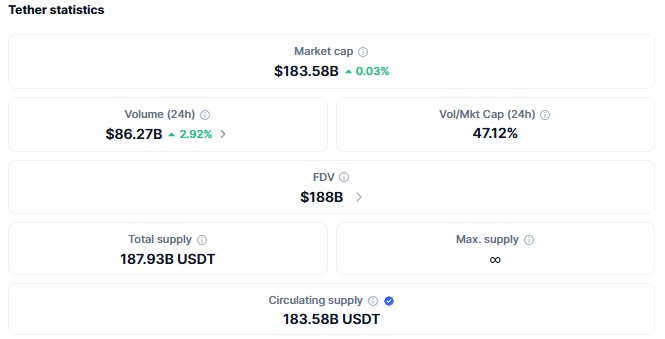
Status: USDT has been live since 2014 and commands a market cap of roughly $183+ billion. JPYSC is not yet launched.
At this point, competing with the world-largest and acceptable digital coin, USDT, does not even come under a fair competition.
Japan Stablecoin Regulation: Also Different From Other Pioneers
Japan's model is more conservative than the US (GENIUS Act 2025) or EU (MiCA), prioritizing bank/trust issuance and full fiat segregation over broader innovation. It reduces risks seen in offshore or algorithmic stablecoins but limits speed and flexibility for non-institutional players.
Overall, Japan's approach positions it as a leader in regulated, bank-friendly stablecoins, ideal for TradFi–blockchain bridging in Asia, with projects like JPYSC exemplifying the institutional-grade path forward (pending final approvals). This framework has already enabled early onshore yen stablecoins while keeping consumer protection and financial stability front and center.
This article is for informational purposes only and does not constitute financial, investment, or legal advice.
