Regulatory Tectonics: How Pakistan’s Crypto Shift Is Redrawing the 2026 Battle Lines Against India

Forget cricket. The real rivalry heating up between Pakistan and India is digital, and the playing field is cryptocurrency. A seismic regulatory pivot in Islamabad is forcing a complete reassessment of the subcontinent's financial future.
The New Rules of Engagement
Pakistan's move isn't just a policy tweak—it's a full-throated bid for capital and talent. By legitimizing digital asset frameworks, the government aims to plug a leaky economy, offering a sanctioned on-ramp for remittances that have long flowed through informal channels. It's a direct challenge to India's more cautious, tax-heavy approach.
Capital on the Move
Watch the money. Early metrics suggest capital flight isn't just slowing; it's reversing course for some. Tech hubs in Karachi and Lahore are buzzing with venture scouts, while established Indian exchanges face a new, regional competitor for user growth. The narrative is shifting from 'if' to 'where' for South Asian crypto development.
The Innovation Gap
India's tech talent is undeniable, but heavy-handed regulation acts as a brake. Pakistan's gamble is that lighter-touch oversight will attract the builders India is sidelining. The next wave of DeFi protocols or wallet solutions might just bear a 'Made in Pakistan' tag—a thought that would have been unthinkable just cycles ago.
Remittances: The First Battlefield
This fight gets real at the grassroots. Millions in cross-border payments now have a faster, cheaper alternative to traditional hawala networks and bloated bank fees. Blockchain doesn't care about geopolitics; it just settles. The nation that captures this flow gains not just fees, but immense economic stability.
A cynical observer might note that governments only embrace innovation when their traditional financial plumbing fails—a truism playing out in real-time. The 2026 landscape is no longer about blanket adoption, but strategic dominance. Pakistan has thrown a punch. India's countermove will define the next decade. One thing's certain: the old financial guard is watching, uneasily, from the sidelines.
Pakistan Crypto Move: Giving Pakistan vs India Crypto Adoption Fuels
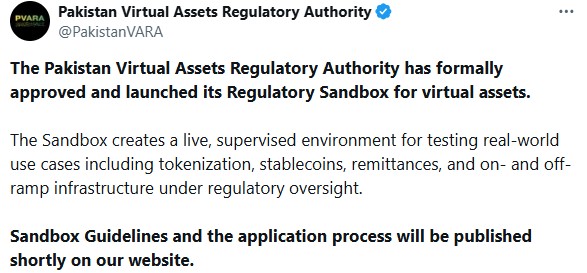
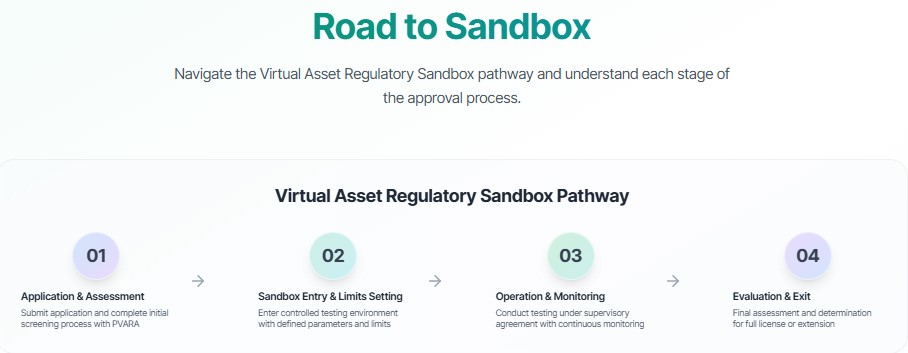
On Feb 20, 2026, the Pakistan Virtual Assets Regulatory Authority (PVARA) officially launched its regulatory sandbox. This allows digital asset and Web3 companies to test products in real-world conditions under government supervision.
The sandbox focuses on tokenization, stablecoins, crypto remittance, and on/off-ramps. These areas matter deeply for the country, where annual remittance inflows often exceed $30 billion. By using blockchain, transfers could become faster, cheaper, and more transparent.
This approach reduces risk for users while giving startups room to innovate. Local and international crypto communities have welcomed the move, seeing it as a shift from uncertainty to structured adoption.
India’s Approach Highlights Regulation Gaps
In contrast, thwe gap looks uneven when viewed from India’s side. Cryptocurrencies are legal to hold and trade in the country, but remain in a gray zone with no dedicated law.
Even after having the largest crypto-involved population, the central bank and the government of the country did not see crypto as a SAFE option. Exchanges must comply with strict AML rules under FIU-IND, and taxes remain high–30% on gains plus 1% TDS on transactions.
Instead of digital assets, the nation is more emphasizing on digital infrastructure, i.e. Artificial Intelligence, UPI systems.
Where Pakistan vs India Crypto Adoption Stands Today: Reasons and Positions
As per Chainalysis, Pakistan is emerging as one of the fastest-growing markets in 2025, as the nation ranks second in APAC region, and overall third, only after India and the US.
The reason behind is widely seen as the weakening economy. Although showing a significant rebound from the 2023 peak era, challenges remain. Narrow tax base, weak exports, climate vulnerability, reliance on remittances, and a costly business environment continue to limit inclusive growth, and push towards decentralized money.
The country receives $30B+ in annual remittances, making crypto-based transfers a practical solution. To manage this, regulators launched a sandbox covering tokenization, stablecoins, and remittances under oversight. Looking at the country’s intensified pace, global attention has followed, with Changpeng Zhao suggesting Pakistan could soon rank #1 in digital asset acceptance.
The nation is the world's top recipient of remittances with a record $135 billion in 2025. It also has one of the largest digital asset markets, with more than 100M users. Many major platforms like Coinbase, Binance, KuCoin, Bybit, have operated again after heavy fines and strict rules.
The only reason behind the denial of cryptocurrencies legalization or a proper framework is its use in illegal activities like money laundering, terror funding. India also leads in many crypto-related crimes, supporting government views somehow.
Even so, adoption hasn’t slowed, estimates suggest 70–75% of trading volume has moved to offshore platforms, and major investments continue. But many prominent personalities highlight that real adoption in the country still lies in clear regulations.
In The End
As guidelines from Pakistan’s sandbox roll out, the gap may widen further, unless Indian govt. adjusts its stance. For now, Pakistan appears more open to shaping cryptocurrency’s future through controlled adoption rather than restriction.
This article is based on publicly available reports, and industry data to explain policy approaches toward cryptocurrencies. It does not promote or discourage cryptocurrency use and should not be interpreted as financial, legal, or investment advice.
