
Where and How to Buy Roaring Kitty (ROAR) in 2026
Roaring Kitty (ROAR) is more than simply a digital comm…
2026-04-03
South Korea's Financial Services Commission has issued a stark warning to crypto investors, ordering all domestic exchanges to implement near real-time asset-matching systems that could trigger immediate 10% price corrections when liquidity mismatches occur. The regulatory mandate, set to reshape Asia's third-largest crypto market, forces platforms to suspend trading on any token where order-book imbalances exceed 10%—a move experts say will expose the fragility of perceived liquidity during volatile periods.
All Korean crypto exchanges must have a new asset-matching system by the end of May if they don’t want compliance problems, the financial regulator said this Monday. According to The Korea Times, exchanges must now switch from the 24‑hour reconciliation cycles that most major exchanges currently have to a uniform 5‑minute asset‑matching regime.
A time asset‑matching system is a software that constantly compares what an exchange says customers own on its internal ledger with the actual coins and cash it holds in wallets and bank accounts. In real‑time asset tracking, every few minutes the system reconciles user balances, order‑book positions, and margin with on‑chain and off‑chain reserves. If there is a mismatch beyond a set threshold, it can automatically trigger alerts or even a kill‑switch to halt deposits, withdrawals, or trading.
Regulators found that the existing kill switches of some of the major exchanges were also unreliable during large mismatches. This is why the FSC is also requiring that exchanges report their asset‑matching results on a daily basis, with additional independent reviews by accounting firms carried out every month.
Another Update To The Digital Asset Basic ActThis is the most aggressive tightening of operational rules since Korea’s first wave of virtual‑asset laws. Connected regulations will be integrated into a new bill designed to govern the broader virtual asset market, the Digital Asset Basic Act. The government and the ruling Democratic Party are currently refining the virtual‑asset legislation’s phase 2, The Korea Times claims.
The Framework Act on Digital Assets should have been on the National Policy Committee’s March 31st agenda, but the crypto act’s second phase debate was pushed until after the June 3 local elections.
A Recap On Bithumb’s “Ghost Bitcoin” IncidentThis change of direction follows Bithumb’s “ghost Bitcoin” system error this past February, when an employee input “Bitcoin” instead of won in a promotional event, mistakenly crediting 620,000 BTC (roughly 13–15 times Bithumb’s actual reserves) to 249 users. This situation briefly crashed Bithumb’s BTC price, triggering liquidations and revealing that the exchange’s internal ledger allowed transfers far beyond real holdings.
Afterwards, Bithumb faced a 6-month partial business suspension and 36.8 billion won fine over serious AML/KYC breaches.
Korea is moving toward bank‑style liability and real‑time verification for exchanges. The question this shift poses is if this regime will become a template for other high‑volume markets, especially where regulators already talk about proof‑of‑reserves, stablecoin oversight, and exchange accountability.
Traders can expect tighter collateral rules, and potentially thinner short‑term liquidity on Korean venues, but also lower tail‑risk of “ghost” assets.
If Korea proves that 5‑minute matching and kill switches are workable at scale, global regulators may demand similar systems, turning the Bithumb saga into a baseline for centralized‑exchange risk control.
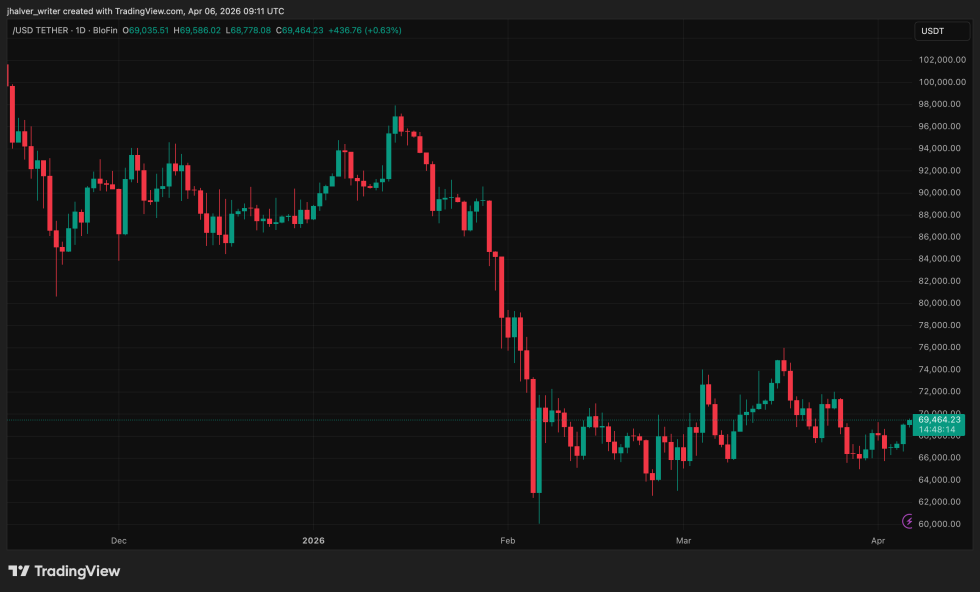
Cover image from Perplexity. BTCUSDT chart from Tradingview.



Log in to Reply
Log in to comment your thoughtsComments