FOMO Frenzy: EU Banks Scramble for Crypto Deals Ahead of Digital Euro Launch

European banks are racing against the clock—and each other—to secure their slice of the crypto pie before the continent's own digital currency hits the scene.
The Preemptive Gold Rush
It's a classic case of institutional FOMO. Legacy financial players, long skeptical of decentralized assets, are now cutting deals, bypassing old hesitations, and launching crypto services at a breakneck pace. The looming shadow of the Digital Euro isn't just a regulatory project; it's a market catalyst forcing traditional vaults to innovate or get left behind.
Building Bridges (and Moats)
The strategy is clear: establish dominance in the crypto gateway space before a state-backed alternative potentially changes the rules. Banks are acquiring fintechs, partnering with compliant exchanges, and rolling out custody solutions—all to capture the client relationships and transaction flows. Because in finance, if you're not building the toll bridge, you're paying the fee. It’s the age-old playbook: embrace the disruption just enough to control its distribution.
The Regulatory Tightrope
This isn't a wild west free-for-all. Every move is calculated within the evolving frameworks of MiCA and local watchdogs. The scramble is as much about securing regulatory goodwill and first-mover licenses as it is about technology. They're betting that being part of the solution gives them a seat at the table when the final rules are written—a savvy, if cynical, hedge.
The message is unmistakable. The future of money is being rewritten, and Europe's old guard would rather be holding the pen—or at least charging for the ink—than reading the terms of service. After all, nothing motivates a bank like the fear of missing out on a new revenue stream, especially one they didn't create.
Bank Stablecoin vs. Digital Euro
The ECB’s digital euro project has clearly widened the horizons of some heavyweight lenders, to the point that many of them are now betting on a different route. Through a joint venture called Qivalis, set up in Amsterdam by several major European banks, they plan to issue a MiCA‑compliant, euro‑pegged stablecoin in the second half of 2026, positioning themselves ahead of the ECB’s digital euro pilot. Rather than relying solely on the more conservative central‑bank option of the ECB‑issued CBDC, Qivalis offers a bank‑backed alternative: a fully reserved e‑money token supported by major commercial lenders, designed first and foremost for on‑chain payments, crypto trading and the settlement of tokenized assets.
A Regulated And Domestic Alternative For The EUAs outlined by Qivalis CEO Jan Sell in a recent interview with Spanish outlet CincoDías, the venture is already in advanced talks with several crypto exchanges, market makers and payment providers to distribute the token from day one. According to Sell, the consortium has expanded to 12 banks and is positioning its euro stablecoin as a regulated, MiCA‑compliant alternative to dollar‑denominated stablecoins, backed 1:1 with cash and short‑term European government debt, offering 24/7 convertibility for institutional and retail users alike.
A Broader Perspective With CryptoQivalis is not an isolated experiment: its existence is a paradigmatic example of how Europe’s traditional lenders are shifting their approach to digital assets. In recent years, not wanting to be left behind or lose against decentralized crypto alternatives, and under pressure from client demand and tighter regulation, large banks and savings institutions have rolled out crypto custody, trading pilots and tokenization projects, as seen by German lenders exploring crypto services or French and Italian banks backing the ECB’s digital euro plan while lobbying on costs and design.
Europe’s incumbents seem to have realized that instead of fighting on‑chain finance from the sidelines and fading into the background of new paradigms, they are better off trying to rebuild the system on their own terms
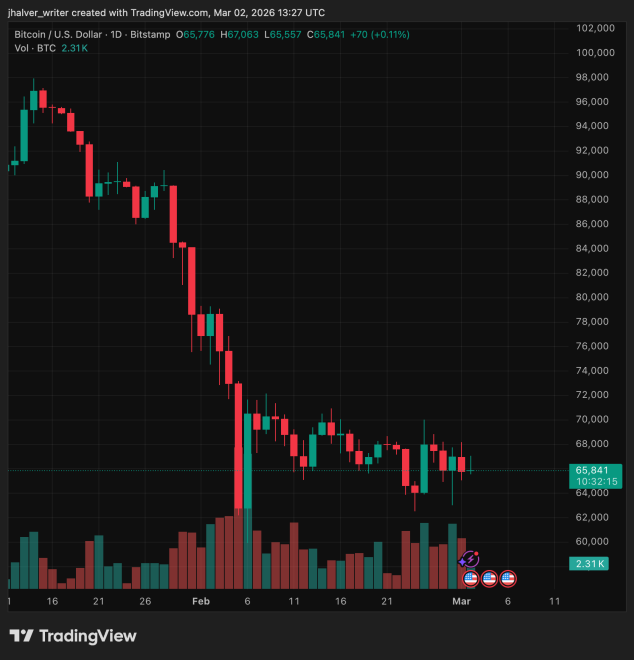
Cover image from ChatGPT, XRPUSD chart from Tradingview
