40 Days of Gridlock: US Government Shutdown Threatens ETF Approval Despite Record Investor Demand

Washington's political paralysis hits crypto markets at the worst possible moment.
Investor Frenzy Meets Political Reality
Forty days into the government shutdown, ETF applications gather dust while institutional demand hits unprecedented levels. The SEC's skeleton crew can't process filings, creating the ultimate regulatory bottleneck.
Wall Street's Worst Nightmare
Traditional finance finally wants in—just as the government checks out. Banks and asset managers built entire crypto divisions anticipating ETF approvals, only to watch their compliance teams twiddle thumbs while politicians argue over budget lines.
The Irony of Institutional Adoption
After years fighting crypto, traditional players now beg for access while Washington's dysfunction provides the ultimate resistance. The very system designed to protect investors now prevents them from regulated exposure.
Because nothing says 'financial innovation' like watching hedge fund managers refresh congressional voting records instead of price charts.
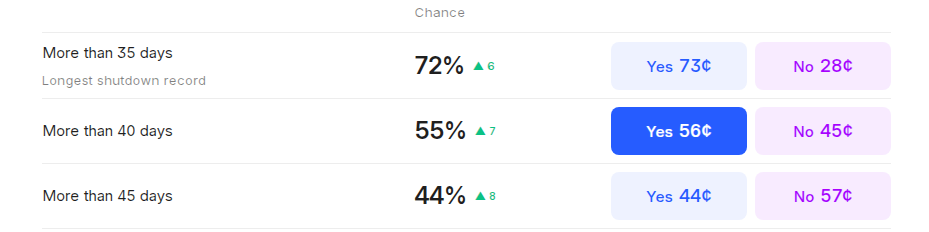
Shutdown Stretches Past 40 Days
Reports have disclosed a market estimate putting the chance of a prolonged shutdown at about 55% for certain stretches, which traders say complicates timing for filings and reviews.
The Securities and Exchange Commission is operating with fewer staff, and that has forced some rulemakings and approval windows to be pushed back. For applicants hoping for quick sign-offs, this means waiting longer than planned.
Investor Interest Remains High
Despite the holdup, investor appetite for regulated crypto products appears strong. According to filings and traffic data cited in market reports, clients of Charles Schwab hold roughly 20% of the US crypto ETF market by assets under custody, and web visits to crypto information pages have jumped about 90% on an annualized basis. That shows demand is not evaporating while regulators are idle.
What That Means For MarketsWhen reviews resume in force, some strategists expect pent-up demand to MOVE into newly approved products. Based on reports, the delay has simply shifted the calendar rather than killed the approvals.
Yet market reaction is not guaranteed to be large; some money may already be waiting on the sidelines, while other investors have moved on.
Regulatory staff will face a backlog when full operations return. Papers awaiting attention may be prioritized, and several issuers will press to get decisions cleared.
Sources tracking the space warn that a sudden cluster of approvals could follow the end of the funding gap, creating rapid inflows into the newly cleared funds.
Risks Beyond TimingThe shutdown is one of several risks. Reports point to the fact that approvals depend on legal arguments, compliance steps, and the agency’s view on market structure.
A temporary staffing shortfall delays work, but it does not change the substantive questions the regulator must answer before signing off. That means some applications could still be rejected or heavily conditioned.
Featured image from Unsplash, chart from TradingView
