Bitmine’s Massive 23,823 Ethereum Haul From BitGo Signals Unstoppable Institutional Crypto Adoption

Institutional whales are making waves again—Bitmine just scooped up another 23,823 ETH from BitGo in a move that screams confidence in digital assets.
The Big Money Migration
While traditional finance pundits clutch their pearls over regulatory uncertainty, smart money keeps flowing into crypto like clockwork. This isn't just another transaction—it's a statement that institutions see more upside in decentralized networks than in legacy systems.
Ethereum's enterprise appeal keeps growing despite what the naysayers claim. The network effect is real, and major players aren't just dipping toes—they're diving in headfirst with eight-figure acquisitions.
Meanwhile, Wall Street analysts still can't decide whether crypto is a bubble or the future—maybe they're too busy calculating their commission fees to notice the revolution happening right under their noses.
Industry Backlash And Early Market Impact
Reaction from crypto policy leaders was swift. Jake Chervinsky, chief legal officer at Variant, said that “ropes in everyone in crypto,” calling it unworkable and tantamount to a ban on U.S. DeFi front-ends.
Summer Mersinger of the Blockchain Association warned it would “effectively ban DeFi, wallet development, and other applications in the United States,” pushing responsible builders offshore.
Consequently, markets appeared to flinch as a DeFi basket gauge slipped 3–4%, with notable underperformers including HYPE and ASTR amid growing regulatory uncertainty.
Beyond prices, founders fear a chilling effect on hiring, fundraising, and product launches if front-end operators and wallet providers must run full broker-style compliance stacks.
Politics, Policy, And The Risk Of An Innovation Exodus
The Senate had been inching toward a bipartisan digital-asset market-structure compromise after the House passed its Digital Asset Market Clarity Act (294–134). But Democrats’ DeFi counter-proposal, driven in part by illicit finance and national-security concerns, may stall momentum in a chamber that needs 60 votes.
If the “restricted list” and front-end broker provisions survive, expect heavy lobbying, civil-liberties pushback, and potential court challenges. Strategists warn the U.S. could cede developer mindshare and liquidity to Europe’s MiCA regime, which already provides clearer guardrails for token issuers and service providers.
Potential Impact of Senate DeFi Restrictions
The leak raises the odds of a near-term U.S. DeFi slowdown as teams reassess legal exposure and capital waits for clarity.
For markets, the key watchpoints are (1) whether Senate staff soften front-end and wallet obligations, (2) how “sufficient decentralization” is defined in statute, and (3) whether Treasury’s blacklist power is scoped narrowly.
Without meaningful revisions, the U.S. risks swapping consumer protection for a brain drain, with innovation (and tax revenue) flowing to friendlier jurisdictions.
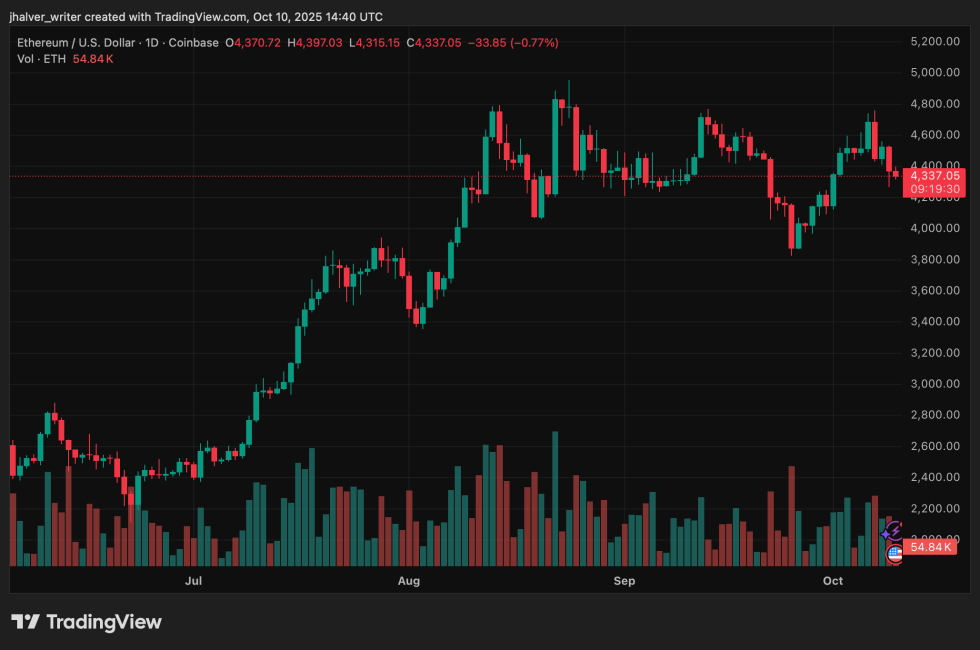
Cover image from ChatGPT, ETHUSD chart from Tradingview
