


September FOMC Preview: Is a One-and-Done Rate Hike Really Necessary?
 BTCCAuthor: furrykon
Ahead of the September FOMC meeting, markets are no longer spending much time debating whether the Federal Reserve will raise rates. The bigger question is whether there will be another hike after this one.
As of September 15, CME FedWatch puts the probability of a 25-basis-point Fed hike at 93%, with the target range expected to rise to 3.75%–4.00%. Inflation remains above target, oil has climbed back above $100 a barrel, and Chair Kevin Warsh continues to emphasize price stability, making a hike this week Wall Street’s base case.
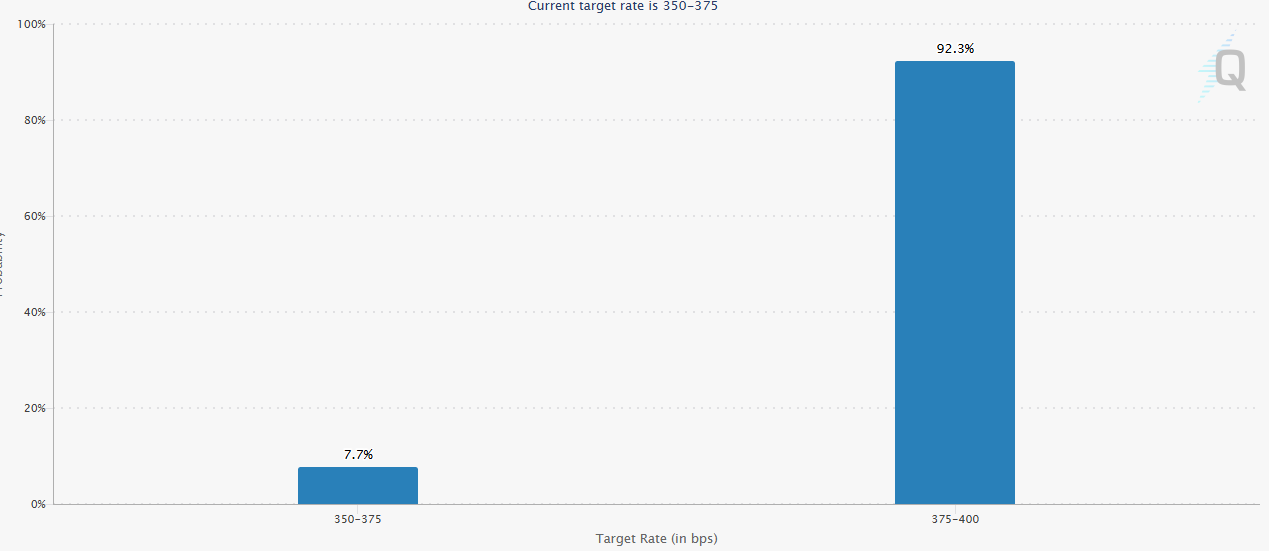
The decision may look almost predetermined, but it raises an unusual question. The U.S. economy is not running hot enough to clearly justify a new cycle of consecutive tightening, and inflation has not spiraled out of control again.
A September hike increasingly looks like a case of “not enough reason not to hike,” rather than an economy sending a clear “must-hike” signal.
What markets really need to determine is whether these 25 basis points will amount to a one-off policy adjustment or mark the beginning of a new tightening cycle.
From Pause to Hike: Nearly Every Signal Since August Has Pushed the Fed Toward Action
After the July FOMC meeting, markets briefly began questioning Warsh’s commitment to fighting inflation. The Fed kept rates unchanged, while its policy communication failed to provide a clear path forward, leaving bond investors concerned that the central bank was relaxing its guard too early.
On August 28, Warsh changed the tone at Jackson Hole.
He noted that annual PCE inflation remained at 3.7%, while the annualized increase over the previous six months had reached 4.1%. He stressed that the 2% target was clear and fixed. With unemployment holding at 4.1% and business investment and consumer spending remaining resilient, the Fed still had room to address inflation.
Bloomberg subsequently described Wall Street as rapidly adding to rate-hike bets. The 2-year Treasury yield jumped, while Bitcoin fell below $80,000.
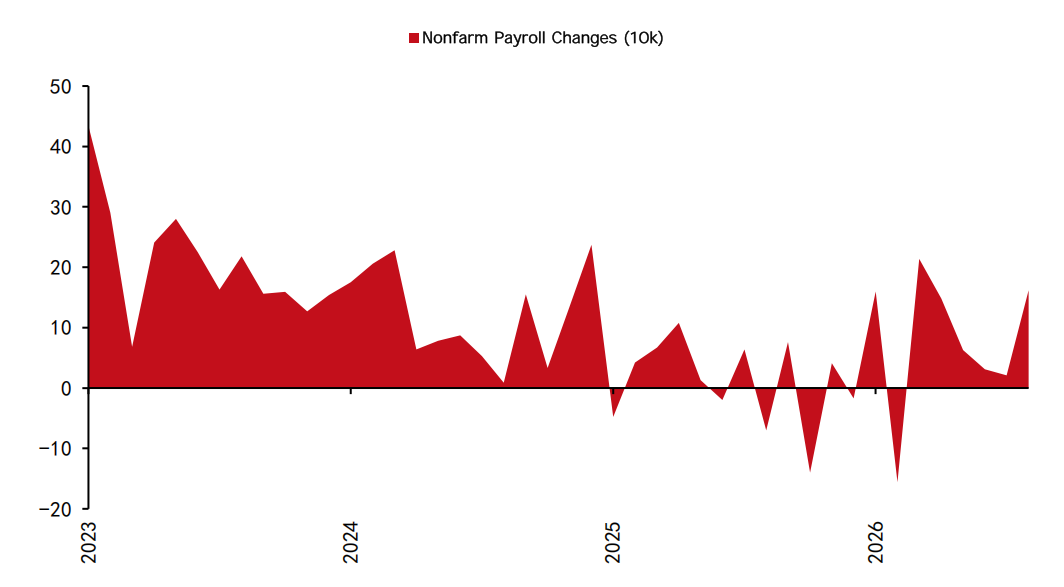
Employment data released in early September did little to alter that assessment. U.S. nonfarm payrolls increased by 162,000 in August, while the unemployment rate remained at 4.1%.
The pace of hiring was hardly overheating, but against a backdrop of slower labor-force growth, it was still consistent with an economy near full employment.
The final piece came from CPI.
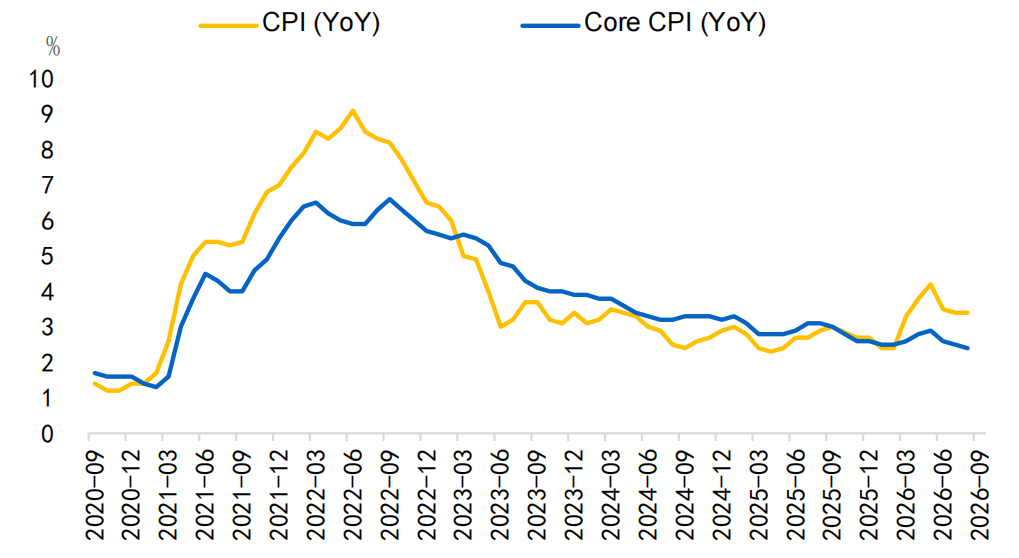
U.S. CPI rose 0.4% month-on-month and 3.4% year-on-year in August, while core CPI increased 0.3% on the month and 2.4% from a year earlier. The headline readings appeared hot enough to push the implied probability of a rate hike rapidly toward 90%.
most of the upside surprise in core CPI was concentrated in communication services and lodging away from home, which together accounted for roughly half of the monthly increase in core prices. Several unusually strong components seen during the year have also tended to reverse the following month.
Core CPI inflation on a year-on-year basis is already close to its pre-pandemic average, while a broad and persistent acceleration in prices has yet to emerge.
Employment is not weak enough to stop a hike. CPI is hot enough to justify modest tightening. And Warsh’s earlier hawkish guidance has effectively tied part of the Fed’s credibility to the September decision.
A September Hike Is an Adjustment to a New Policy Rule
Jackson Hole in August was the key event that changed market expectations.
Warsh effectively signaled a change in the Fed’s reaction function. Under the previous framework, the Fed would generally keep rates unchanged unless economic data provided sufficient justification for a hike. Under the new framework, the Fed may be more inclined to hike unless the data provide enough evidence to justify a pause.
That shift may feel uncomfortable to markets.
Under the old framework, current economic data do not look weak or inflationary enough to clearly require renewed tightening. In fact, current CPI readings are already close to pre-pandemic levels and represent some of the lowest readings since the inflation surge began in 2021.
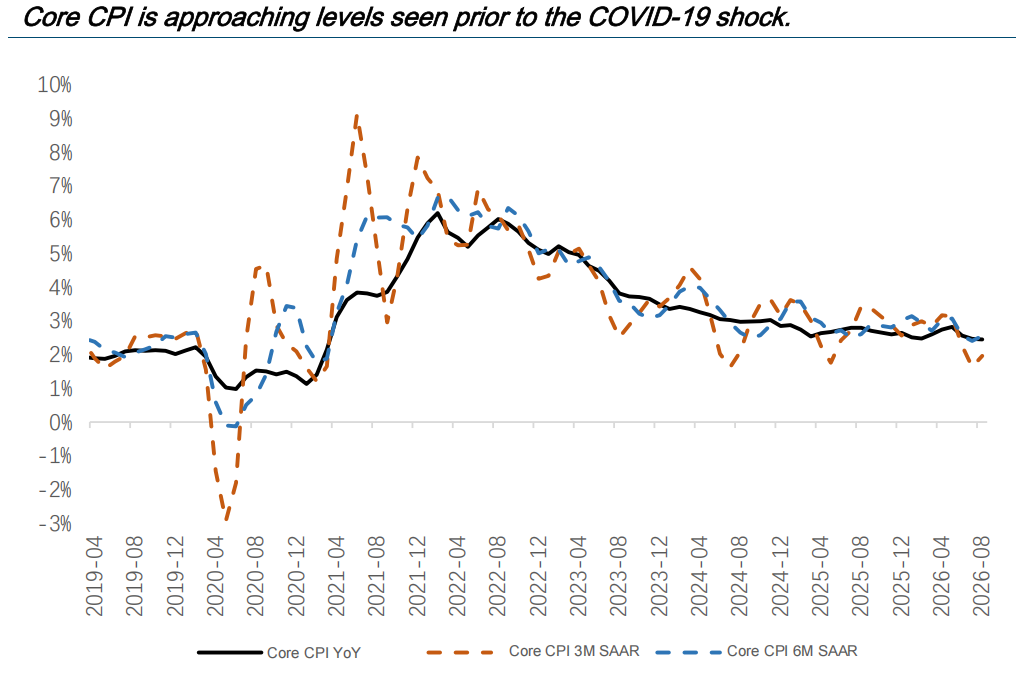
The inflation environment in 2026 also looks different.
Recent U.S. inflation pressures have largely come from rotating cost shocks in oil, communication services and hotel accommodation. Their persistence appears less pronounced than in earlier phases of the inflation cycle.
Against that backdrop, a single 25-basis-point hike is unlikely to immediately change those prices. It could, however, quickly weigh on interest-rate-sensitive parts of the economy such as consumption, housing and employment.
That means a rate hike may also carry a larger political dimension.
On one hand, Warsh may need the hike to demonstrate his independence from the Trump administration. On the other, the Fed needs to respond to inflation remaining above 2% in order to restore some of the credibility lost after the July meeting.
Bond investors interviewed by Reuters have even argued that doing nothing could be more dangerous than hiking. Markets might interpret a pause as evidence that the central bank is willing to tolerate elevated inflation, prompting investors to demand a higher term premium.
But the economic case for one hike does not automatically become a case for a series of hikes.
August core CPI pressure was concentrated in only a handful of categories, while long-term inflation expectations remain stable. Oil prices are also primarily a supply shock, and interest rates have limited ability to address disruptions in crude supply.
Waller has also noted that three-month core inflation fell from 4.76% in February to 3.05% in July.
In fact, much of the pricing for a September hike appears to have been created by Fed communication itself. If the Fed ultimately chose not to raise rates, it is not obvious that markets would immediately face severe consequences.
If the Fed only needs to hike once, why is this particular hike so essential?
Its real significance may simply be to tell markets that the Federal Reserve has entered a new “rate-hike era” under Warsh.
If the Fed raises rates by 25 basis points in September while keeping the dot plot broadly in line with its June projection and signaling no further hikes this year, the outcome could actually be interpreted as dovish despite the higher policy rate.
It would deliver the most certain piece of tightening upfront while lowering the expected path for future policy rates.
How Much of the Rate-Hike Story Has the Market Already Priced In?
The answer has two parts.
A 25-basis-point September hike itself is largely priced in. The path after that hike is not.
Risk assets have already paid part of the price. Bitcoin fell to around $60,000 in late August before rebounding toward $77,000, but it remains capped below the $80,000 level.
On September 14, the S&P 500 fell to 7,619.94, while the Philadelphia Semiconductor Index dropped 5.86% in a single session. Short-term yields, the dollar and high-valuation assets have already adjusted meaningfully to the prospect of one rate hike.
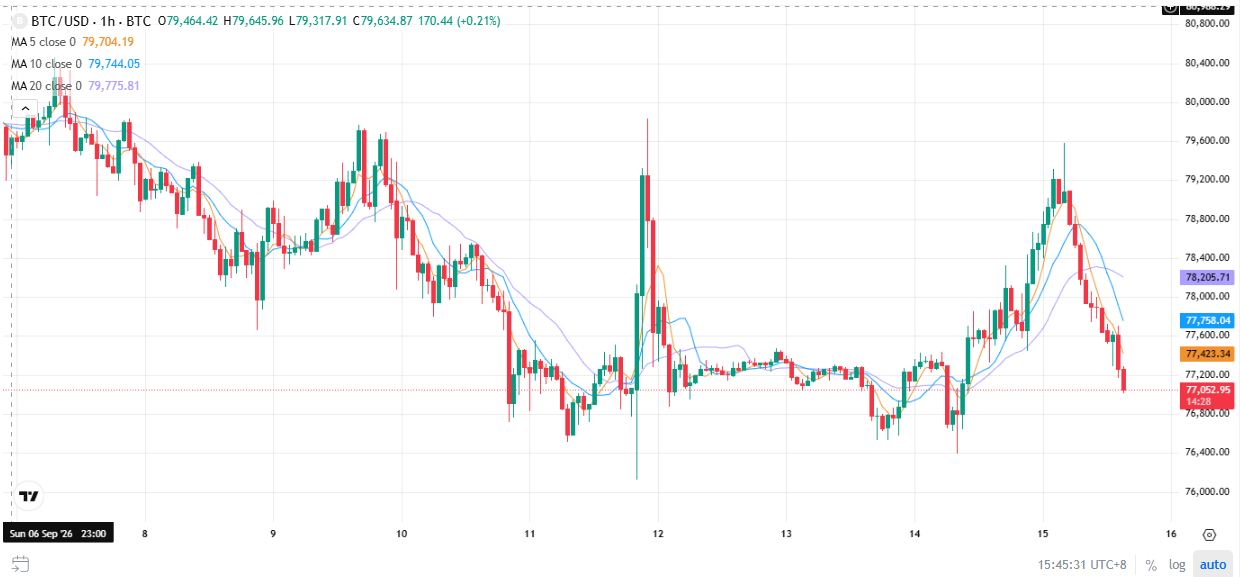
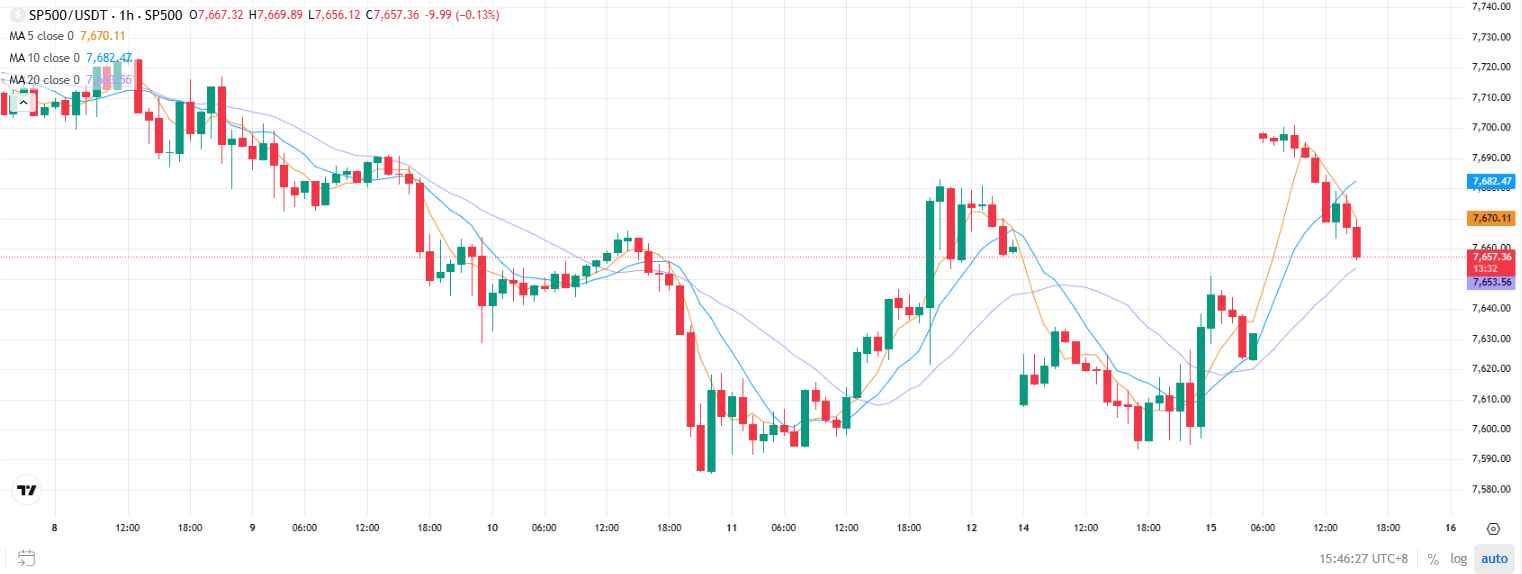
On the other hand, Bitcoin has rebounded sharply from its lows, while U.S. equities have not experienced the kind of broad valuation compression seen in 2022. That suggests investors still view the September move as a limited adjustment rather than the start of a prolonged tightening cycle.
Markets are not fully prepared for a scenario in which the Fed hikes again this year and follows with multiple additional hikes next year.
If a September hike is accompanied by confirmation that there will be no further hikes this year, investors can watch whether the U.S. 2-year Treasury yield, the dollar index and BTC begin moving lower or higher together before gradually adding risk exposure.
If short-term yields and the dollar continue rising, it would suggest that markets are beginning to price in consecutive rate hikes, in which case rallies may be better used to reduce exposure.
Over the medium term, one rate hike should not automatically be treated as the start of a new bear market.
As long as core inflation pressures do not broaden, employment does not reaccelerate and oil prices gradually retreat, a “one hike and done” scenario remains the more likely path.
The September rate hike may look like the biggest event of the week, but it could also be the most certain part of the entire trade.
Markets have already paid most of the price for 25 basis points. The question still unanswered is whether this will be the final rate hike of 2026.
This content is for informational and educational purposes only and does not constitute investment advice related to BTCC. BTCC makes every effort but cannot guarantee the truthfulness, accuracy, or originality of the content above.