Best Non-Custodial Wallets in 2025: Beginner‘s Guide

| |
Last updated: 12/16/2025 19:35
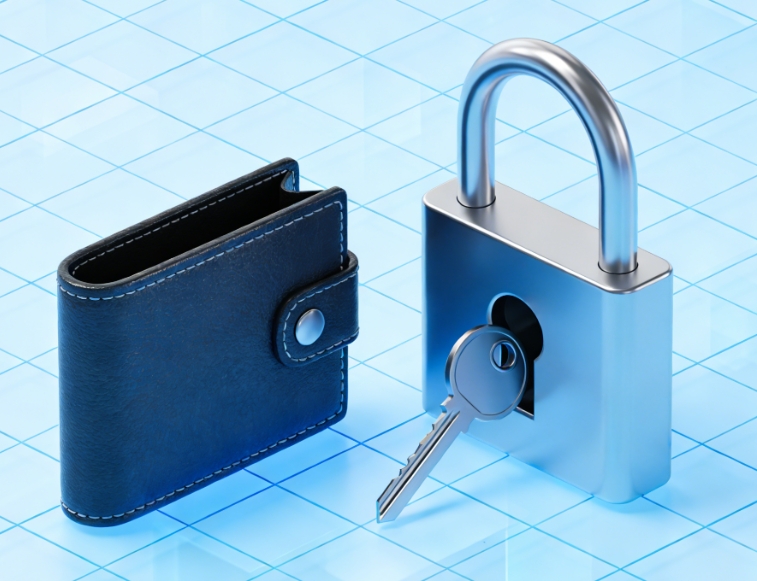
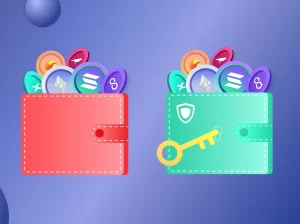
The saying “not your keys, not your coins” is common among crypto newbies. This statement is really as straightforward as it seems. To be an owner in the cryptocurrency world is to possess the private keys. A non-custodial wallet performs precisely that.

Is that the issue? These days, it’s like looking through a tech manual—there are hundreds of alternatives with comparison tables. Like a friend guiding you through the initial stages of self-custody, I will explain everything in this guide in an approachable, practical manner.

My goal as an editor at BTCC is to provide you with the knowledge and confidence to maintain, trade, or develop your cryptocurrency holdings using simple, beginner-friendly methods and secure resources, such as our platform, when necessary.

What Is a Non-Custodial Wallet?

The private keys to your cryptocurrency assets are kept by you in a non-custodial wallet.

What this signifies is:

  • You have complete control.
  • It is impossible for any exchange to freeze your funds.
  • DeFi is ready for use right away.
  • One choice you have is offline storage.

Additionally, it implies:

  • Once you’ve lost your seed phrase, there’s no way to get it back.
  • Taking precautions for safety is now on you.

Freedom and responsibility, in a nutshell.

Why Non-Custodial Wallets Became So Popular

The use of crypto self-storage has grown substantially. There were more than 580 million cryptocurrency users globally in 2024, according to an estimate by Chainalysis.

In 2024, there were approximately 820 million active crypto wallets, according to Crypto.com Research.

Other reliable data points:

•MetaMask: 30M monthly active users (ConsenSys, 2024)

•Ledger: 6–7.5M hardware devices sold globally (Ledger official reports, 2024)

/ You can claim a welcome reward of up to 10,055 USDT🎁\

Best Non-Custodial Wallets in 2025

Below is a list I curated specifically for beginners—based on reliability, transparency, long-term development activity, and user-friendliness.

1. MetaMask — Best for Ethereum & DeFi Beginners

Type: Software wallet

Platforms: Browser, iOS, Android
Why users pick:
  • Utilized with ease
  • Massive backing from the ecosystem (EVM, L2, and ETH chains)
  • Supports the majority of DeFi apps right away
Best for: people exploring Web3 for the first time.

2. Ledger Nano Series — Best for Long-Term Security

Type: Hardware wallet

Why users pick:

  • Remotely stored private keys
  • A security chip that has been fought and proven
  • Works with Ledger Live and MetaMask
Best for: anyone holding large long-term crypto positions.

3. Trust Wallet — Best Multi-Chain Mobile Wallet

Supports 70+ blockchains, making it extremely versatile.
Why users pick:
  • A user-friendly interface for staking
  • In-built swap (costs apply)
  • UI tailored to newcomers

Best for:
mobile-first users.

4. Phantom Wallet — Best for Solana Users

If you’re into SOL, meme coins, or fast L1 chains, Phantom is a smooth ride.
Why users pick:
  • Very quick
  • Impressive NFT screen
  • Native Solana ecosystem

Best for:
SOL and SPL-token users.

5. Keystone Wallet — Air-Gapped Option for Privacy Enthusiasts

Type: Camera-based hardware wallet (no USB/Bluetooth)
For users wanting upgraded self-custody with no physical connections, Keystone is one of the most beginner-friendly air-gapped designs.

Non-Custodial Wallet vs Custodial Wallet

Your Profile Recommended Type Why
Beginner Custodial (Coinbase, Kraken) Easy setup, recovery options, regulated platforms reduce initial complexity.
Active Trader Custodial (Binance, Bybit) Low trading fees, fast execution, integrated trading tools.
Long-Term Holder Non-Custodial (Ledger, Trezor) Maximum security, no counterparty risk, true ownership of assets.
DeFi/NFT User Non-Custodial (MetaMask, Phantom) Required for interacting with dApps, lending protocols, NFT marketplaces

Tip: Many beginners use both:

•A non-custodial wallet to store crypto

•A custodial exchange (like BTCC) to trade safely at low fees
This combo is often the most practical.

Want a Safe Way to Buy Crypto Before Storing It in Your Wallet?

 Start on BTCC, one of the world’s longest-running crypto exchanges (since 2011)

•Fast deposits

•Low trading fees

•Beginner-friendly interface

•24/7 support

•Over 300 USDT-margined futures pairs

/ You can claim a welcome reward of up to 10,055 USDT🎁\

How to Choose the Best Non-Custodial Wallet

Here’s how beginners should evaluate wallets without overthinking:

1. Security Level

•Want maximum safety → choose hardware

•Want convenience → choose software

•Want both → use hardware + MetaMask/Phantom

2. Supported Blockchains

First things first:

Is the wallet compatible with the networks you intend to use?

3. Backup Options

Make sure:
  • Obtain a seed phrase.
  • You keep it in a non-connected way.
  • You keep your data off the cloud.

4. Open-Source or Not

Greater openness is achieved with open-source wallets.

5. Integration With Exchanges

Many users buy crypto on BTCC, then transfer to a non-custodial wallet with low network fees.

How to Set Up a Non-Custodial Wallet

Let’s use MetaMask as an example:

1.Go to the official website and download it.

2.Create a new wallet

3.Note down the initial phrase (when not online!).

4.Confirm the phrase

5.Connect it to a DeFi app or BTCC withdrawal address

6.Send a small test transaction first
 Never screenshot your seed phrase. It’s like leaving your house keys in public.

/ You can claim a welcome reward of up to 10,055 USDT🎁\

Are Non-Custodial Wallets Safe?

They pose no more threat than your own routines.

You are still unprotected even with the finest wallet if:

Keep seed phrases in an internet database.

You authorize questionable financial deals.

False wallet apps end up in your device.

•You are naive and trust phishing websites.

One of the most secure ways to keep cryptocurrency is in a non-custodial wallet, provided that you utilize them correctly.

FAQs About Non-Custodial Wallets

1. What’s the safest non-custodial wallet in 2025?

For maximum security, Ledger Nano X or Keystone.

For most beginners, MetaMask + hardware wallet is a great combo.

2. Are non-custodial wallets free?
Software wallets are usually free.

Hardware wallets cost $79–$149 depending on the model.

3. Can I lose my crypto if I lose my seed phrase?

Yes. That’s the trade-off of full ownership.

4. Can I use non-custodial wallets with BTCC?

Absolutely. Buy crypto on BTCC → withdraw to your chosen wallet.

5. Which non-custodial wallet supports the most blockchains?
Trust Wallet supports 70+ chains, making it one of the most versatile.

Conclusion

In addition to being easier to use than most newcomers anticipate, non-custodial wallets offer improved privacy, direct access to Web3, and complete control.

No matter the wallet you go with—MetaMask, Ledger, Phantom, or Trust Wallet—the objective is the same:Regulate your keystrokes. Have command of your cryptocurrency.

For those who are just starting out or who prefer a more secure environment to purchase cryptocurrency, BTCC is a great option.

Start your first trade on BTCC today

/ You can claim a welcome reward of up to 10,055 USDT🎁\


Disclaimer
This article is for educational purposes only and does not constitute investment or financial advice. Crypto assets involve risks. Always perform your own research, and never invest more than you can afford to lose. BTCC and its editorial team strive for accuracy, but data may change over time.

References

2.Crypto.com Research – Crypto Market Sizing Report 2024
4.Ledger Official Reports – Ledger Hardware Wallet Sales

For more detailed market analysis, strategies, and educational resources, visit BTCC Academy and stay ahead of the curve in the rapidly evolving crypto space.


How to Trade Crypto on BTCC?

This brief instruction will assist you in registering for and trading on the BTCC exchange.

Step 1: Register an account

The first step is to hit the “Sign Up” button on the BTCC website or app. Your email address and a strong password are all you need. After completing that, look for a verification email in your inbox. To activate your account, click the link in the email.


Create an Account


Step 2: Finish the KYC

The Know Your Customer (KYC) procedure is the next step after your account is operational. The main goal of this stage is to maintain compliance and security. You must upload identification, such as a passport or driver’s license. You’ll receive a confirmation email as soon as your documents are validated, so don’t worry—it’s a quick process.


Complete KYC


Step 3. Deposit Funds

After that, adding money to your account is simple. BTCC provides a range of payment options, such as credit cards and bank transfers. To get your money into your trading account, simply choose what works best for you, enter the amount, and then follow the instructions.

  • Fiat Deposit. Buy USDT using Visa/Mastercard (KYC required).
  • Crypto Deposit. Transfer crypto from another platform or wallet.


Step 4. Start Trading

If you wish to follow profitable traders, you might go for copy trading, futures, or spot trading. After choosing your order type and the cryptocurrency you wish to trade, press the buy or sell button. Managing your portfolio and keeping track of your trades is made simple by the user-friendly interface.


Start Trading


Look more for details: How to Trade Crypto Futures Contracts on BTCC


BTCC FAQs

Is BTCC safe?

Based on its track record since 2011, BTCC has established itself as a secure cryptocurrency exchange. There have been no reports of fraudulent activity involving user accounts or the platform’s infrastructure. By enforcing mandatory know-your-customer (KYC) and anti-money laundering (AML) procedures, the cryptocurrency trading platform gives consumers greater security. For operations like withdrawals, it also provides extra security features like two-factor authentication (2FA).

Is KYC Necessary for BTCC?

Indeed. Before using BTCC goods, users must finish the Know Your Customer (KYC) process. A facial recognition scan and legitimate identification documents must be submitted for this process. Usually, it is finished in a few minutes. This procedure has the benefit of strengthening the security of the exchange and satisfying legal requirements.

Because their accounts will have a lower daily withdrawal limit, those who do not finish their KYC are unable to make deposits. It should be noted that those who present a legitimate ID without a facial recognition scan will likewise have restricted withdrawal options.

Is There a Mobile App for BTCC?

Indeed. For users of iOS and Android, BTCC has a mobile app. The exchange’s website offers the mobile app for download. Since both the web version and the mobile app have the same features and capabilities, they are comparable.

Will I Have to Pay BTCC Trading Fees?

Indeed. BTCC levies a fee for trade, just like a lot of other centralised exchanges. Each user’s VIP level, which is unlocked according to their available money, determines the different costs. The BTCC website provides information on the charge rates.

Can I Access BTCC From the U.S?

You can, indeed. According to its website, BTCC has obtained a crypto license from the US Financial Crimes Enforcement Network (FinCEN), which enables the cryptocurrency exchange to provide its services to investors who are headquartered in the US.

According to BTCC’s User Agreement document, its goods are not allowed to be used in nations and organisations that have been sanctioned by the United States or other nations where it has a licence.

BTCC Guide:

Crypto Buying Guides:


Crypto Prediction:

Disclaimer: The views and opinions expressed in this article are solely those of the author and are for informational purposes only. They do not constitute investment, legal, or any other professional advice. The content does not represent the official position of BTCC and should not be interpreted as an endorsement or recommendation of any specific product or service.
Please be aware that all investments involve risk, including the potential loss of part or all of your invested capital. Past performance is not indicative of future results. You should ensure that you fully understand the risks involved and consider seeking independent professional advice suited to your individual circumstances before making any decision.
For any inquiries or feedback regarding this article, please contact us at: [email protected]