Government Paralysis Deepens: Washington Gridlock Extends Shutdown to Day 21

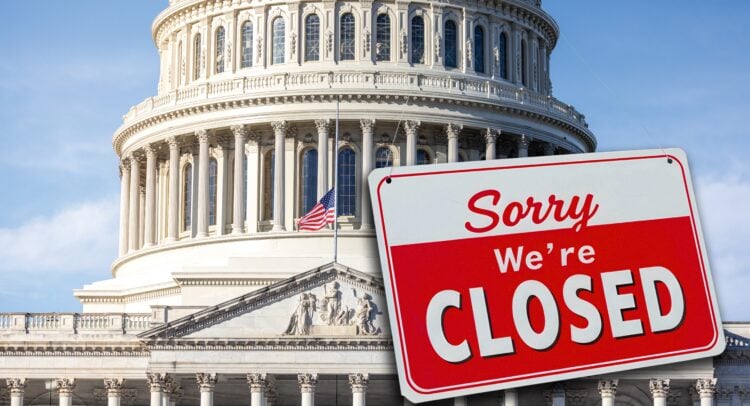
Federal Freeze Solidifies as Political Standoff Enters Third Week
The Beltway Breakdown
Federal operations remain frozen solid as congressional gridlock prevents any thaw in the 21-day government shutdown. Essential services operate on emergency protocols while non-critical functions sit abandoned—much like bipartisan cooperation in the capital.Political Permafrost Sets In
Neither side shows signs of blinking first as the shutdown drags through its third grueling week. The stalemate has Washington functioning like a blockchain with 100% confirmation time and zero transactions actually processing.Economic Ice Age Approaches
With 800,000 federal workers missing paychecks and contractors facing payment purgatory, the economic freeze begins radiating outward from the capital. Meanwhile, Wall Street analysts somehow still predict "contained economic impact"—proving financial experts can remain bullish even during a political ice age. Twenty-one days and counting—because nothing demonstrates American governance like proving how long we can function without it.Elevate Your Investing Strategy:
- Take advantage of TipRanks Premium at 50% off! Unlock powerful investing tools, advanced data, and expert analyst insights to help you invest with confidence.
The impasse centers on disagreements over Affordable Care Act subsidies and several smaller provisions that have become bargaining chips in the broader funding fight. Despite private discussions between congressional leaders, no substantive progress emerged overnight.
White House economic advisor Kevin Hassett sounded a cautious note Monday, saying he expects the shutdown to end “sometime this week.” But prediction markets disagree. In fact, data from Polymarket put the odds of a resolution before Oct. 31 at just 14%.
Markets Shrug as Wall Street Bets on Resolution
Remarkably, the market seems to have moved on. The S&P 500 (SPX) jumped 1.1% Monday, bringing it within striking distance of a record high. Investors appear confident that any political disruption will prove temporary, focusing instead on earnings momentum and rate-cut expectations from the Federal Reserve.
Historically, government shutdowns have had limited long-term effects on markets. But analysts warn that extended uncertainty could start weighing on sentiment if paychecks for federal workers, data releases, and agency approvals remain frozen into November.
For now, traders are treating the gridlock as political theater rather than a systemic risk. The Cboe Volatility Index (VIX) stayed below 20, signaling little investor anxiety.
Businesses Feel the Freeze as Approvals Stall
Not every sector can afford to shrug it off. British consumer goods group Unilever (UL) said Tuesday it WOULD delay the planned spinoff of its ice cream business, Magnum, because the Securities and Exchange Commission (SEC) cannot process filings during the shutdown. The paperwork freeze means the new stock listing is literally, and figuratively, on ice.
The delay highlights how even global companies are vulnerable to a Washington stalemate. Other firms waiting on SEC reviews or regulatory clearance could face similar postponements, especially if the impasse stretches toward November.
The Longest Shutdowns in Perspective
The current closure now ties the 1995–1996 standoff, trailing only the record 35-day shutdown of 2018–2019. Each day adds pressure to lawmakers to strike a deal before essential services face deeper disruptions.
Federal workers are again caught in the middle, facing missed paychecks and growing uncertainty. Key economic data releases, already delayed, risk distorting the outlook for the Fed’s next meeting, scheduled for the end of the month.
