Elon Musk Slams Apple’s App Store Policies: ’Political Games or Tech Tyranny?’

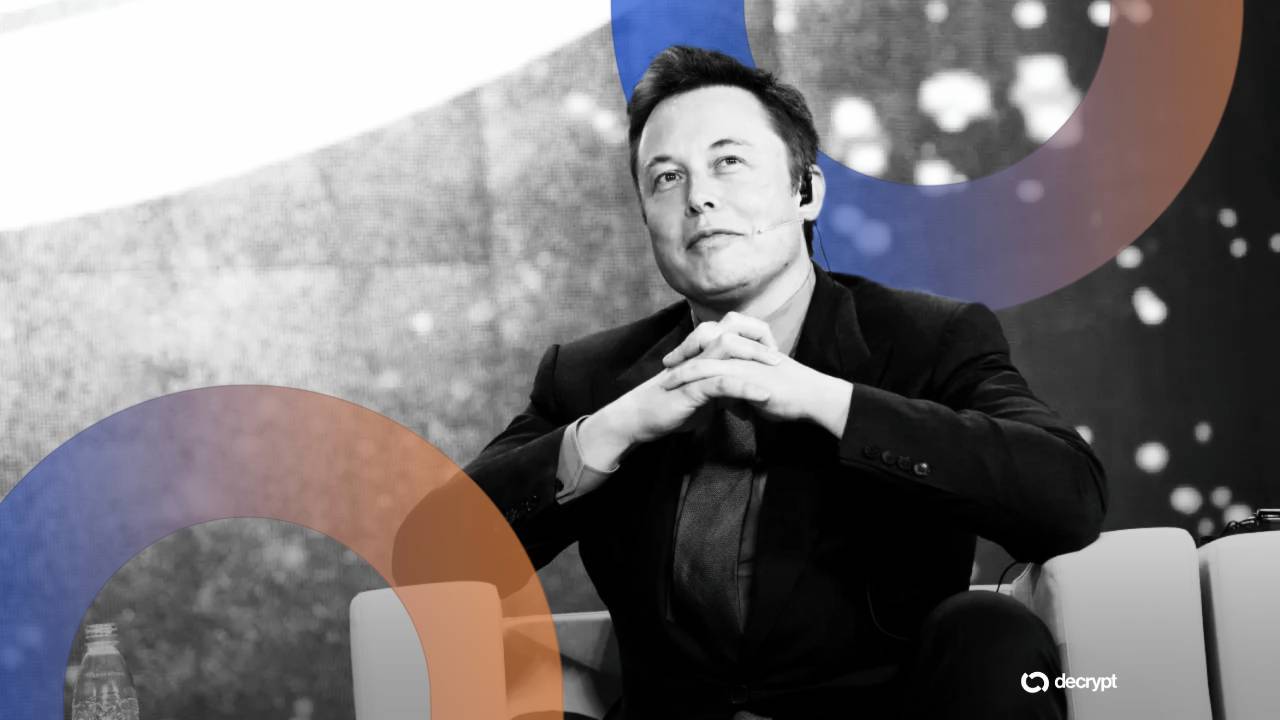
Elon Musk fires another salvo in the tech oligarchy wars—this time targeting Apple's App Store gatekeeping. The Tesla and X CEO's tweetstorm questions whether Cupertino's 30% 'Apple tax' is about fairness... or silencing dissent.
Wall Street shrugs—after all, regulatory battles are cheaper than R&D when you're sitting on $200B in cash reserves.
Curation or competition?
Musk’s rhetoric reinforces his broader claim that Apple’s App Store curation tilts the playing field toward favored partners like OpenAI, sidelining competitors even when their apps rank highly.
He has framed the issue as part of a larger antitrust fight, aligning his grievances with ongoing U.S. and EU investigations into Apple’s dominance over app distribution.
Any legal move by Musk would add another high-profile challenge to Apple’s business model, potentially widening the scope of scrutiny on how it manages visibility and access, as well as possibly reopen how Apple had dealt with crypto payments in the past for its App Store.
Legal experts say the case could hinge on where the line is drawn between Apple’s right to curate its marketplace and conduct that unlawfully distorts competition.
The key is with “distinguishing between legitimate editorial curation (which platforms generally have the right to exercise) and anti-competitive conduct that harms the competitive process,” Andrew Rossow, a public affairs attorney and CEO of AR Media Consulting, told Decrypt.
“Courts WOULD likely examine factors like the consistency of curation policies, whether decisions serve legitimate business purposes, and the overall impact on competition rather than individual competitors,” Rossow explained.
Rossow noted that Musk’s case differs in focusing on curation bias rather than payment systems, so the precedent isn’t directly controlling.
“Antitrust law protects competition, not individual competitors,” he said, adding that Musk would need to show xAI’s performance issues stem from Apple’s conduct rather than factors like product quality or marketing effectiveness.
Others question whether platform control is being used to shape competition, saying the issue could determine which products gain or lose market share.
“This is pure censorship. If App Store curation is influenced by favoritism, it can distort competition in the AI sector by limiting visibility for potentially superior products,” Himanshu Tyagi, a professor at the Indian Institute of Science and co-founder of AI firm Sentient, told Decrypt.
Still, some warn that platform favoritism can steer traffic and give companies data advantages, shaping who succeeds in the AI sector.
“The plateau in large language model capabilities makes a moat much harder to build,” Jesse Glass, lead AI researcher at DecideAI, told Decrypt. “Decisions like this one from Apple will play an increasingly large role.”
