Russia Unleashes Banks into Crypto Arena with Iron-Clad Regulations

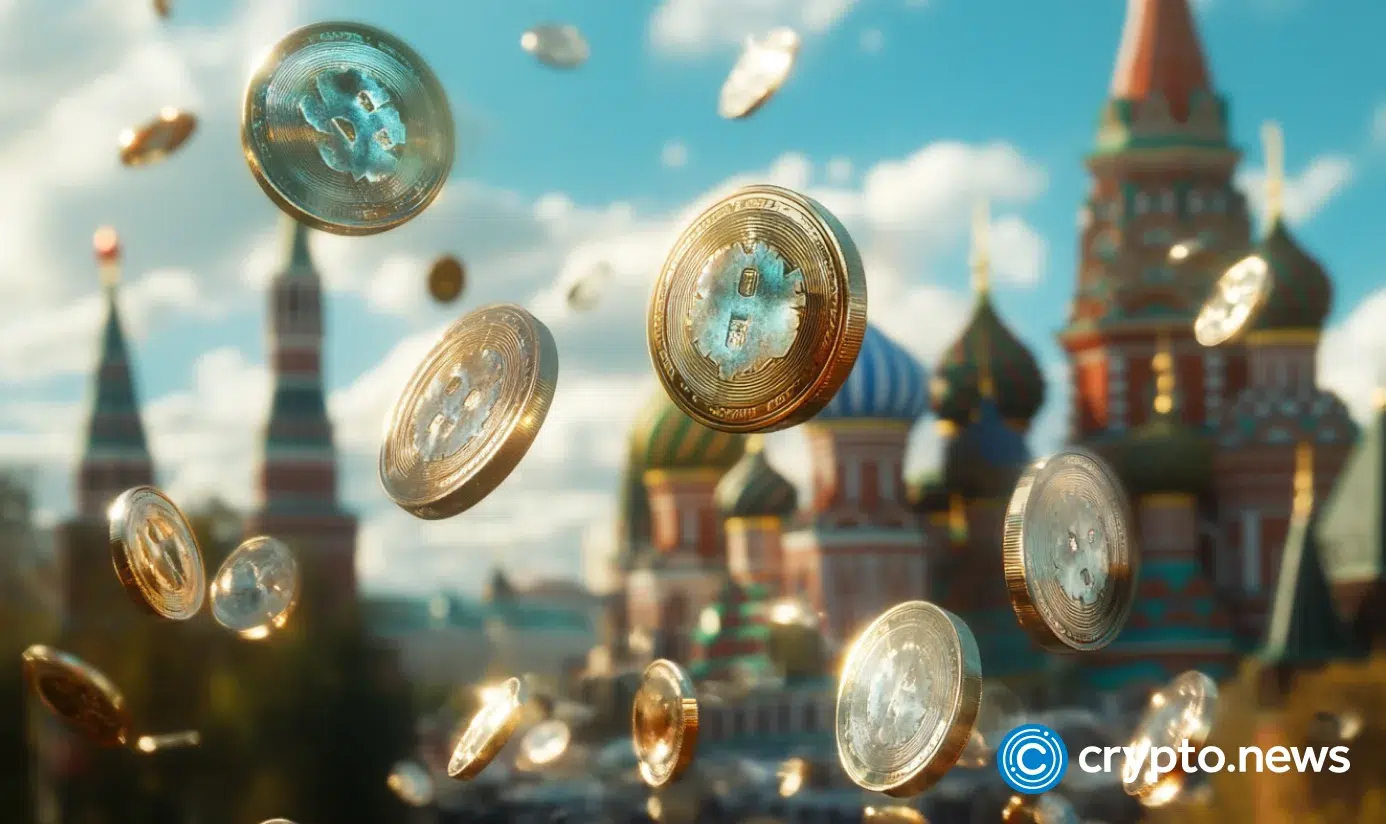
Moscow flips the switch—banks can now dive into cryptocurrency markets under the Kremlin's watchful eye.
The Regulatory Framework
Tight controls define Russia's crypto banking revolution. No wild west here—every transaction gets tracked, every wallet monitored. Think institutional adoption meets Soviet-era oversight.
Banking Sector Impact
Financial institutions gain crypto trading rights while wearing regulatory handcuffs. They can facilitate transactions but face brutal compliance requirements that would make even Wall Street compliance officers blush.
Global Implications
Another G20 nation joins the digital asset race—because nothing says financial innovation like creating new ways for bureaucrats to micromanage your money.
Russia’s pivot amid test framework and mounting sanctions pressure
The Bank of Russia’s latest decision builds upon an experimental legal regime for crypto transactions launched earlier in 2025, which already permits a select group of wealthy individuals and corporations to utilize digital assets for international settlements.
Eligibility for that program is exclusive, requiring individuals to hold a minimum of 100 million rubles in deposits and securities and have an annual income above 50 million rubles. The program, framed as a test of “digital settlement efficiency,” was a signal that Russia’s position on crypto was shifting from prohibition to containment.
That shift is now accelerating. Chistyukhin and Governor Elvira Nabiullina have urged lawmakers to fast-track a comprehensive cryptocurrency bill by 2026 that would create a licensing system for exchanges and clarify the legal status of crypto service providers.
Sanctions pressure
The urgency is driven by pressure from Russia’s financial sector, which has lobbied for eased restrictions as Western sanctions persist and the ruble faces ongoing instability. The clear, albeit unstated, goal is to develop alternative financial channels that can operate outside the reach of the U.S. dollar-dominated global system.
This environment has catalyzed the stunning rise of the A7A5 stablecoin, a ruble-pegged digital asset that has ballooned to a $500 million market cap despite its issuers, including the sanctioned Russian bank PSB, facing international designations.
Its explosive growth, making it the world’s largest non-dollar stablecoin, has captured global attention and raised alarms that it is becoming a key tool for sanctioned entities in Russia to facilitate cross-border trade.
Despite facing intense regulatory scrutiny, A7A5 executive Oleg Ogienko has publicly defended the Russia-linked stablecoin. In recent comments, he insisted the stablecoin is a legitimate payments tool operating in compliance with Kyrgyzstan’s laws and has “nothing to do with money laundering.” He claims its adoption is surging in Asia, Africa, and Latin America, facilitating “billions of dollars” in trade for Russian firms and their partners.
