El Salvador’s Bitcoin Holdings in 2025: How Much BTC Does the Country Own?

- El Salvador's Current Bitcoin Holdings
- Purchase History and Average Buy Price
- Why Did El Salvador Adopt Bitcoin?
- The Rollercoaster of Bitcoin Adoption
- Bitcoin's Impact on El Salvador's Economy
- Future of Bitcoin in El Salvador
- Frequently Asked Questions
El Salvador has made headlines as the first country to adopt bitcoin as legal tender, and its BTC holdings continue to grow. As of July 2025, the nation owns 6,246 bitcoins, worth approximately $740 million at current prices. This bold experiment in monetary policy has brought both praise and criticism, with President Nayib Bukele doubling down on his Bitcoin strategy despite challenges. Let's dive deep into El Salvador's Bitcoin journey, from its controversial adoption to current holdings and future plans.
El Salvador's Current Bitcoin Holdings
As of July 22, 2025, El Salvador's national Bitcoin treasury stands at 6,246 BTC, according to data from the National Bitcoin Office and verified by CoinMarketCap. The country has been consistently adding to its holdings through both direct purchases and mining operations, representing a 162% increase from the 2,381 BTC initially acquired in early 2022.
The government's Bitcoin Office reports these holdings are now worth approximately $740.7 million based on current market prices, with unrealized profits exceeding $443 million since the first purchases in 2021. This makes El Salvador one of the largest sovereign holders of Bitcoin globally.
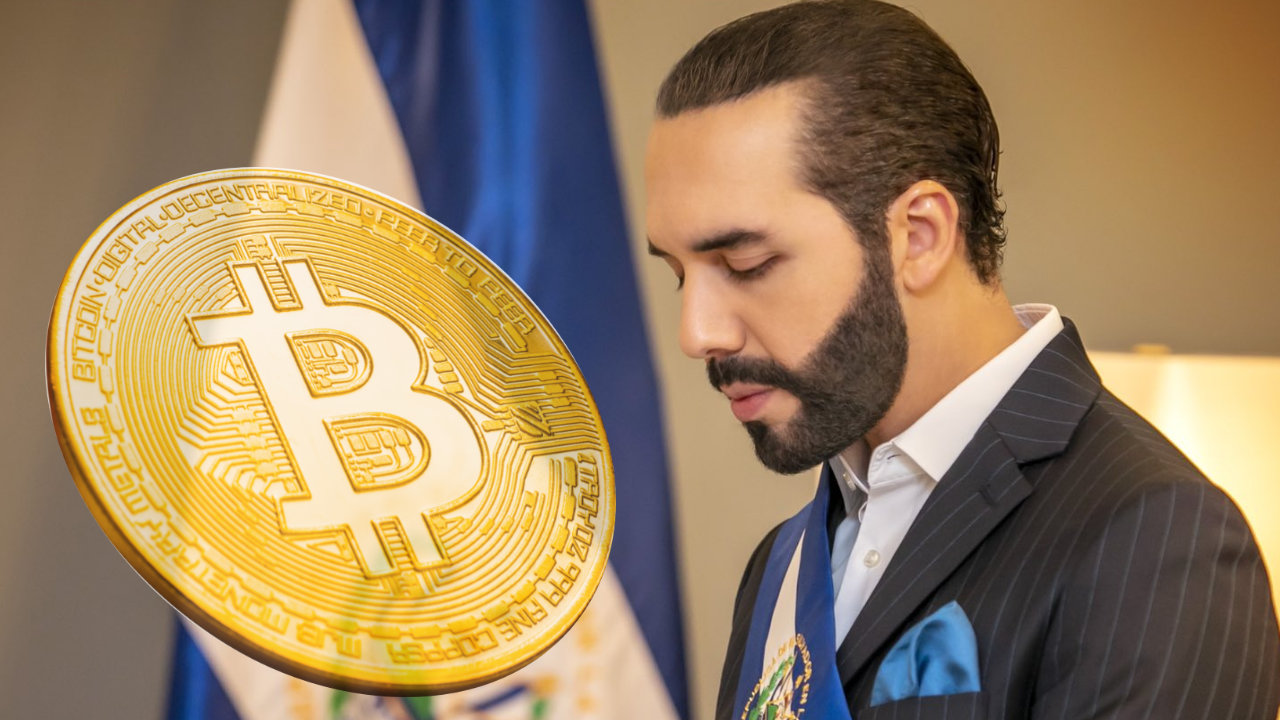
The BTCC research team notes that El Salvador's Bitcoin acquisition strategy has evolved through three distinct phases:
According to TradingView data, the country's Bitcoin reserves have shown the following growth trajectory:
- February 2024: 2,381 BTC
- May 2024: 5,748 BTC
- July 2025: 6,246 BTC
The government maintains that it has never sold any Bitcoin from its reserves, despite market volatility. President Nayib Bukele has repeatedly stated this position on social media, emphasizing a long-term holding strategy.
Purchase History and Average Buy Price
El Salvador's Bitcoin acquisition strategy has been methodical, with purchases made at various price points. The country's average purchase price stands at $43,357 per Bitcoin, with total investments exceeding $103 million. Here's a detailed breakdown of their major purchases:
| June 30, 2022 | 80 | $19,000 | $1,520,000 |
| May 9, 2022 | 500 | $30,744 | $15,372,000 |
| Jan 21, 2022 | 410 | $36,585 | $15,000,000 |
| Dec 21, 2021 | 21 | $49,220 | $1,033,620 |
| Dec 3, 2021 | 150 | $48,670 | $7,300,500 |
| Nov 26, 2021 | 100 | $54,815 | $5,481,500 |
| Oct 27, 2021 | 420 | $60,622 | $25,461,240 |
| Sept 19, 2021 | 150 | $42,843 | $6,426,450 |
| Sept 7, 2021 | 150 | $46,091 | $6,913,650 |
| Sept 6, 2021 | 400 | $46,811 | $18,724,400 |
According to data from CoinMarketCap, El Salvador's Bitcoin holdings have grown steadily since 2021, with the country adopting a dollar-cost averaging approach. The government has maintained a long-term investment perspective, never selling any BTC despite market fluctuations.
The BTCC research team notes that El Salvador's most significant purchases occurred during market downturns, particularly the June 2022 acquisition at $19,000 per BTC - one of their most profitable buys to date. This strategic timing demonstrates the government's understanding of cryptocurrency market cycles.
Historical context reveals that El Salvador's Bitcoin adoption began in September 2021 when it became the first country to make BTC legal tender. The purchases shown in the table represent the foundation of their national Bitcoin strategy, which has since expanded to include mining operations and citizen education programs.
Why Did El Salvador Adopt Bitcoin?
President Nayib Bukele's vision for Bitcoin adoption stemmed from addressing systemic financial gaps in El Salvador. With traditional banking inaccessible to 71% of the population, cryptocurrency offered an innovative solution for economic participation. The government's Chivo wallet initiative became a cornerstone of this strategy, enabling digital transactions for previously excluded citizens.
Key motivations behind this groundbreaking policy included:
- Cross-Border Efficiency: Streamlining the flow of remittances that constitute nearly a quarter of the nation's economic activity
- Monetary Innovation: Establishing alternatives to sole reliance on the US dollar after two decades of dollarization
- Technological Leadership: Positioning the country at the forefront of digital currency adoption through investor-friendly policies
- Value Preservation: Utilizing cryptocurrency's scarcity as a safeguard against currency devaluation
Implementation followed the organic success of grassroots projects, particularly in coastal communities where cryptocurrency demonstrated real-world utility. While recent policy adjustments have introduced flexibility in merchant participation, the government maintains commitment to digital currency education and infrastructure expansion.
Adoption metrics indicate gradual acceptance, with ongoing efforts to enhance accessibility through residential node deployment. This pioneering monetary experiment continues to evolve, maintaining El Salvador's unique position in financial innovation history despite international skepticism.
The Rollercoaster of Bitcoin Adoption
El Salvador's pioneering Bitcoin adoption has encountered substantial hurdles since its 2021 legal tender implementation. Current data reveals the nation maintains a reserve of 6,246 BTC, accumulated through calculated acquisitions and volcanic geothermal mining operations. The government's investment strategy reflects an average purchase price of $43,357 per Bitcoin, totaling over $103 million across various market conditions.
Recent policy shifts demonstrate significant adaptation. Originally mandating universal business acceptance, authorities relaxed requirements in 2024 following IMF negotiations tied to a $1.4 billion financial package. Academic research indicates minimal domestic usage, with only 8% of citizens engaging with cryptocurrency approximately once monthly during 2024.
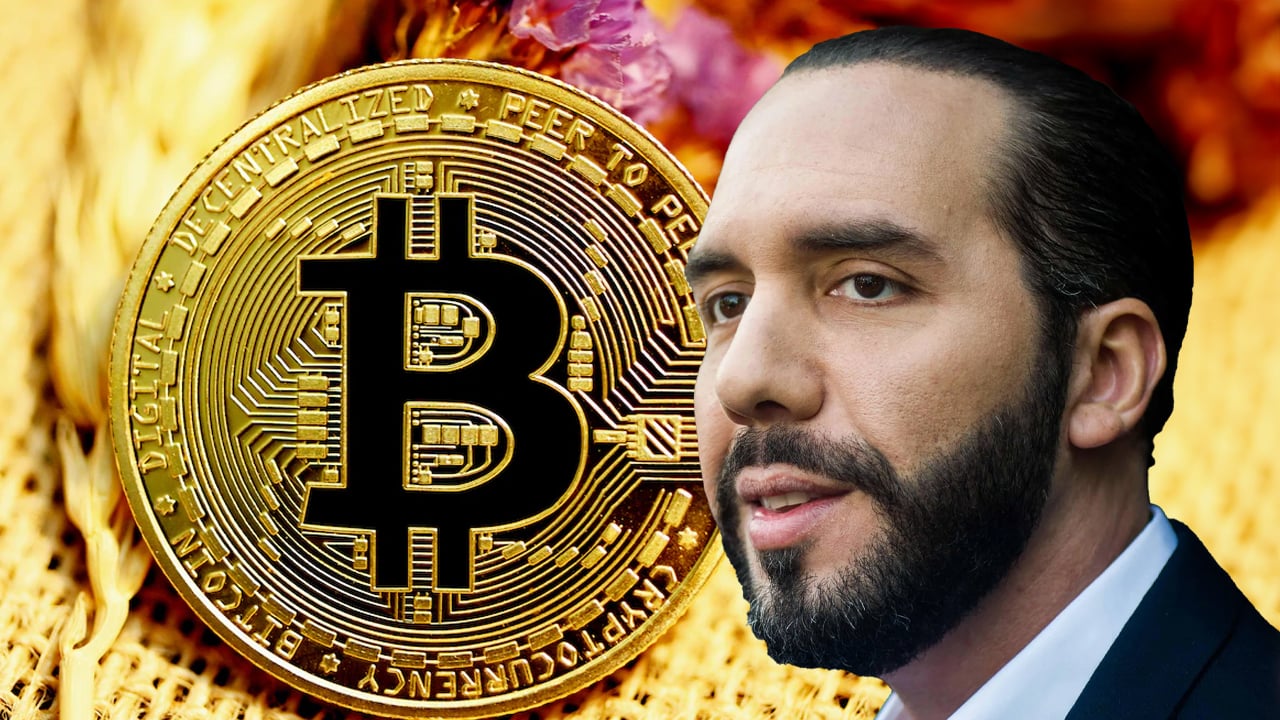
Financial analysts observe that while the Chivo wallet system achieved localized success in tourist hubs, broader population adoption remains constrained. Current initiatives focus on infrastructure development and cryptocurrency education, including proposed residential node networks and school curriculum integration.
Market fluctuations have dramatically affected reserve valuations, with CoinMarketCap data showing portfolio values ranging from $24.5 million to peak valuations approaching $120,000 per Bitcoin. Despite operational challenges and modified legal status, the administration maintains its long-term holding strategy, reflecting continued commitment to digital currency experimentation.
Bitcoin's Impact on El Salvador's Economy
El Salvador's $443 million in unrealized Bitcoin profits highlights the potential rewards of its bold cryptocurrency strategy. The nation's 6,246 BTC reserve, accumulated through calculated purchases and volcanic-powered mining, reflects an average acquisition cost of $43,357 per coin. While these digital assets have appreciated significantly, their real-world economic influence shows contrasting outcomes.
Success stories like 20-year-old Gerardo Morán, who purchased his first car using Bitcoin, illustrate the technology's transformative potential for unbanked youth. Yet broader adoption remains limited, with academic studies indicating just 8% of citizens actively used cryptocurrency in 2024. Educational programs are addressing this gap by integrating blockchain concepts into school curricula nationwide.
Daniel Viana, an educator at Mi Primer Bitcoin Foundation, notes the psychological barriers to adoption: "Many students initially fear exploring this unfamiliar financial territory." These initiatives aim to overcome traditional banking exclusion in a country where 71% of residents lacked accounts before Bitcoin's introduction.
Policy adjustments since 2021 demonstrate the government's adaptive approach. The 2024 shift from mandatory to voluntary business participation, influenced by IMF negotiations, acknowledges implementation challenges while maintaining the national Bitcoin treasury. These reserves now constitute about 1.5% of El Salvador's GDP, presenting both economic opportunities and volatility considerations for its dollarized system.
Data sources: CoinMarketCap (cryptocurrency valuations), TradingView (market analysis), El Salvador National Bitcoin Office (reserve statistics)
Future of Bitcoin in El Salvador
El Salvador's ongoing Bitcoin initiative maintains momentum with innovative adoption strategies. The government is piloting residential node installations to increase public engagement with cryptocurrency technology, complementing existing educational programs in schools. Ambassador Milena Mayorga emphasizes the nation's continued commitment: "Our Bitcoin infrastructure remains operational and accessible to all citizens," despite recent legislative adjustments.
Specialized Bitcoin services like the 'Chivo Pets' veterinary clinic demonstrate practical utility, offering consultations at fractional BTC costs. Local merchant adoption shows gradual growth, with vendors like Rogelio Mendoza reporting increased comfort with cryptocurrency transactions: "The system becomes more intuitive with regular use," he observes, reflecting shifting attitudes among early adopters.
Educational efforts address fundamental adoption barriers through hands-on training. "We focus on demystifying blockchain technology through practical exercises," explains Daniel Viana of Mi Primer Bitcoin Foundation, noting improved comprehension among students who complete the program. These initiatives target the 71% previously unbanked population, with early indicators showing increased financial inclusion.
Legislative refinements in May 2024 recalibrated Bitcoin's status while preserving its legal tender framework, balancing innovation with international financial considerations. The government maintains its accumulation strategy despite market fluctuations, with daily purchases continuing through both direct acquisitions and geothermal-powered mining operations.
Emerging data suggests niche adoption success in tourist corridors and tech-savvy demographics, while broader usage patterns evolve. The delayed Bitcoin bond project remains under development, with officials citing ongoing technical refinements. Unique implementations continue to showcase cryptocurrency's potential, from microtransactions to cross-border remittance alternatives.
Frequently Asked Questions
How much Bitcoin does El Salvador own as of 2025?
As of July 2025, El Salvador holds 6,246 bitcoins in its national treasury.
What is El Salvador's average purchase price for Bitcoin?
The country's average buy price stands at $43,357 per bitcoin across all purchases.
Has El Salvador sold any of its Bitcoin holdings?
According to President Bukele, El Salvador has never sold any of its bitcoin holdings.
Why did El Salvador adopt Bitcoin as legal tender?
The government cited financial inclusion, reduced remittance costs, and economic diversification as primary reasons for Bitcoin adoption.
How successful has Bitcoin adoption been in El Salvador?
Adoption has been limited, with surveys showing only 8% of Salvadorans used Bitcoin in 2024, averaging just 14 transactions per year.
What is the current status of Bitcoin as legal tender in El Salvador?
Since January 2024, Bitcoin use has been optional rather than mandatory for businesses, following IMF negotiations.
