Aug 1 Tariffs Shatter Dreams: 97% of US Importers Are Small Businesses

Small businesses—America's backbone—just took a sucker punch. The August 1 tariffs hit hardest where it hurts most: the 97% of US importers operating on razor-thin margins.
Blood in the Water
Washington's latest trade move isn't just squeezing corporations—it's crushing mom-and-pop shops that can't afford lobbyists or offshore tax havens. While Fortune 500 companies reshuffle supply chains, Main Street eats the cost.
The Crypto Angle
Meanwhile, Bitcoin transactions bypass borders without begging for tariff exemptions—another reminder that decentralized finance doesn't wait for bureaucratic permission. But hey, at least the Fed gets to print more 'solution' dollars, right?
The American Dream? Now with a 30% import tax surcharge. Free markets indeed.
 Report showing August 7 tariff implementation delay – Source: CNN Business
How August 7 Tariff Implementation Drives Supply Chain Pressure and Costs
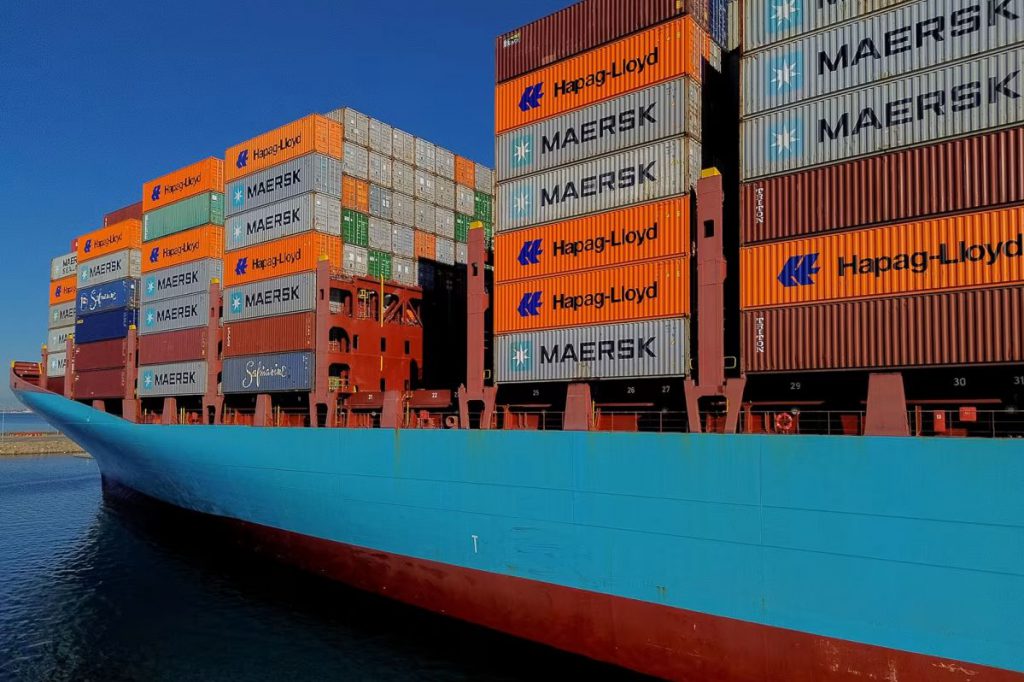
Commerce Secretary Howard Lutnick had this to say earlier this week:
Trump tariffs small business impact is becoming clear right now as the new rates take effect today. According to the Commerce Department, 97% of US businesses that import products are small businesses with fewer than 500 employees, and they lack political influence compared to large corporations.
Import Cost Increases Hit Small Importers Hard Today
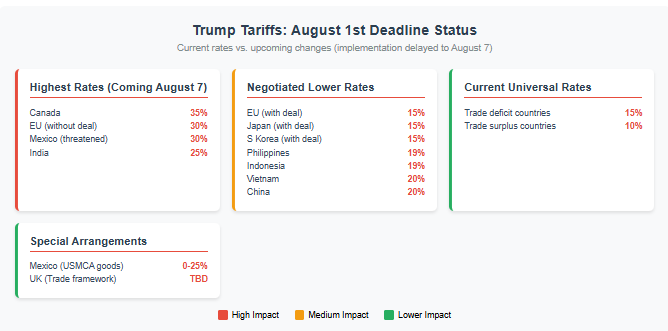
The tariff rates that went into effect today are significantly different from those initially threatened, with countries like Myanmar and Laos facing 40% tariffs, while the EU negotiated down to 15% from the previously threatened 30%.
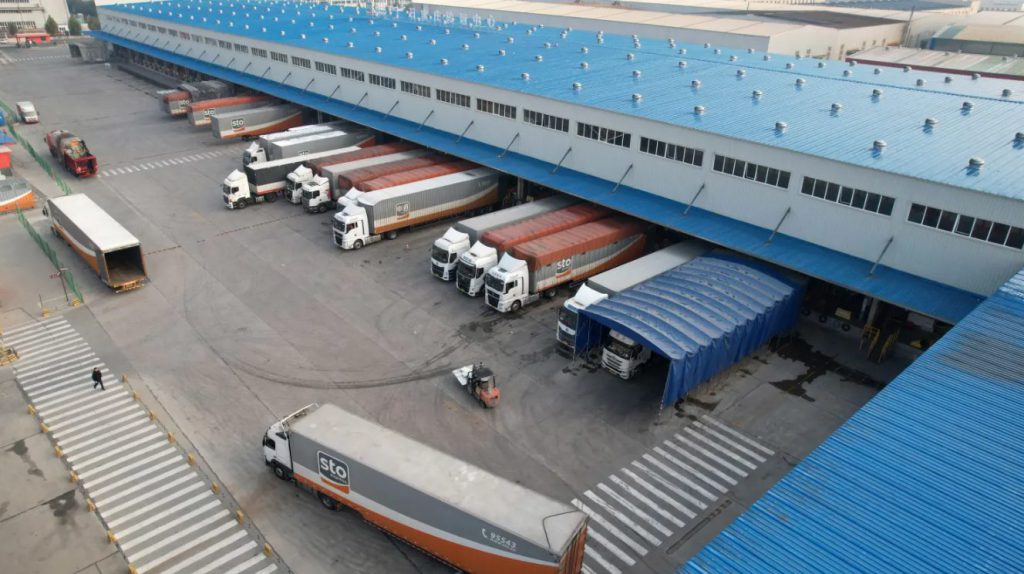
Sarah Wells, founder of Sarah Wells Bags, stated recently:
The August 1 tariff deadline has now passed (moved to the 7th), and businesses are navigating some impossible choices today. Wells explained her predicament:
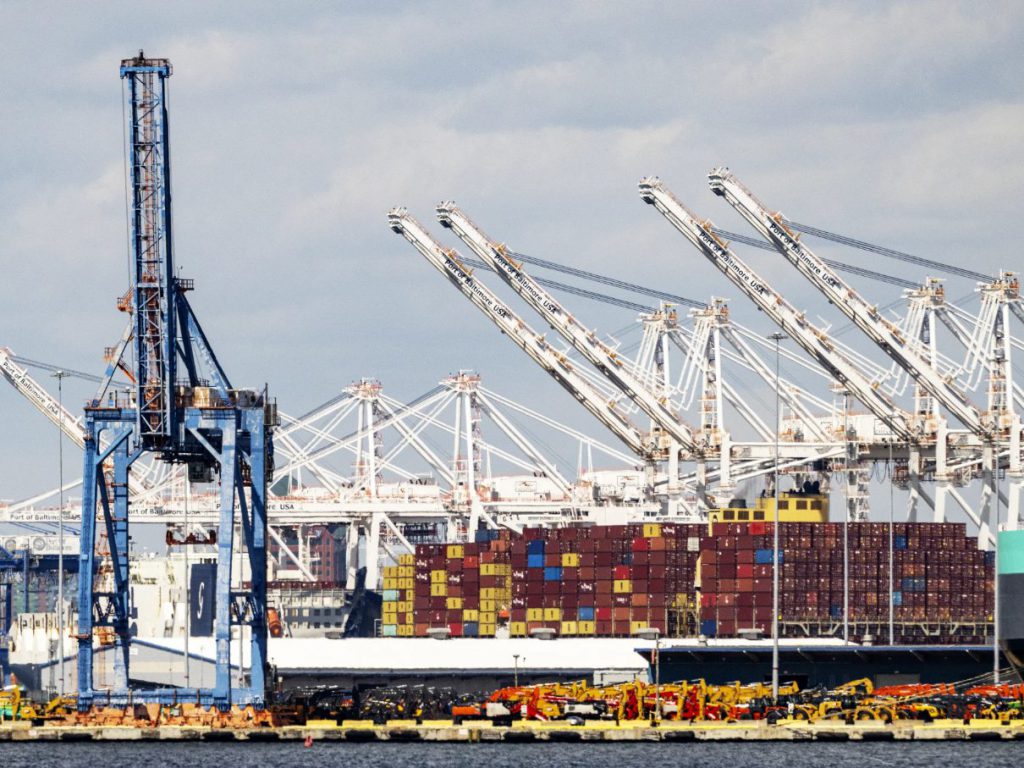
Supply chain pressure is intensifying today as Trump tariffs small business operations now face these implemented rates. The WHITE House actually imposed 36% tariffs on Cambodia, set 25% rates for both Japan and South Korea, while hitting Canada with 35% tariffs despite USMCA protections for compliant goods.
US Manufacturing Shift Falls Short as Tariffs Take Effect
Jonathan Gold from the National Retail Federation explained:
Treasury Secretary Scott Bessent said:
The US manufacturing shift remains pretty elusive as domestic production can’t really replace specialized imports. Import cost increases are now forcing businesses to choose between absorbing costs or passing them to customers, while supply chain pressure threatens their survival.
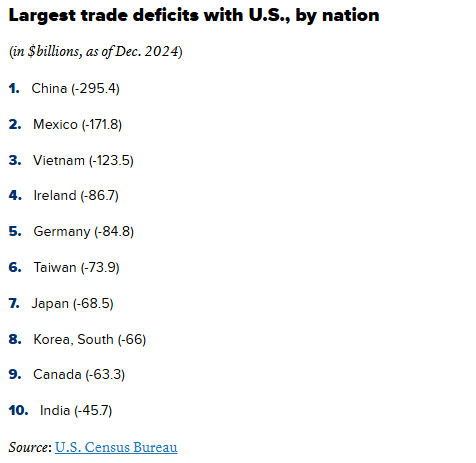
Today marks a critical moment for America’s small importers, with limited options and resources to weather this storm that’s now fully underway.
