BRICS vs. USA: Where the Emerging Bloc Dominates—And Where It Still Lags Behind

The tectonic plates of global power are shifting—and BRICS is wielding the hammer. Here's where the bloc punches above its weight against US hegemony... and where it's still playing catch-up.
Geopolitical Chessboard: BRICS' Bold Moves
De-dollarization drives. Alternative payment systems. Resource nationalism. The coalition's carving out economic sovereignty—while Wall Street still bets on greenback supremacy.
Tech Cold War Frontlines
5G infrastructure battles. Semiconductor supply chain end-runs. The bloc's tech ambitions are real—but can they out-innovate Silicon Valley's venture capital firehose?
The Achilles' Heel: Structural Fault Lines
For all the hype, internal divergences plague the alliance. Currency volatility, regulatory fragmentation, and that age-old emerging-market favorite: capital flight risks.
One thing's certain—the multipolar world isn't coming. It's already here. And as any hedge fund manager will tell you through gritted teeth: diversification used to mean stocks and bonds. Now it means picking sides in the new Great Game.
Areas BRICS Challenges the Might of the US Dollar
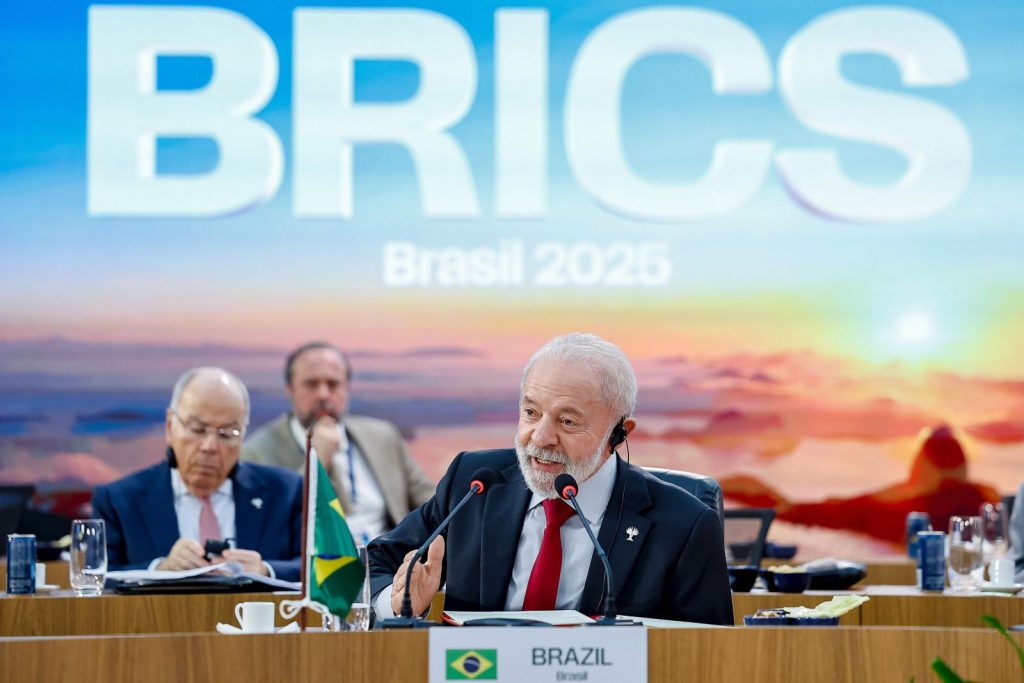
The de-dollarization initiative from BRICS is indeed the boldest agenda that is shaking the roots of the US-dominated global order. The decision to reduce dependency on the US-based financial assets can cause direct harm to the American economy. The bloc is signing bilateral trade deals using national currencies signaling that it prefers to boost its respective economies. The answer here is clear, local currencies first and the US dollar later.
BRICS nations now control a significant share of the world’s energy and commodity reserves outpacing the US. For example, Russia, Iran, and the UAE are oil and gas giants. Brazil is a food and agriculture powerhouse. South Africa is a key player in gold, platinum, and rare earth metals. China dominates the global manufacturing sector and also possesses rare earth minerals. If these countries decide to settle all these trades only in national currencies, the US dollar will be in deficit.
Where the Alliance Falls Short
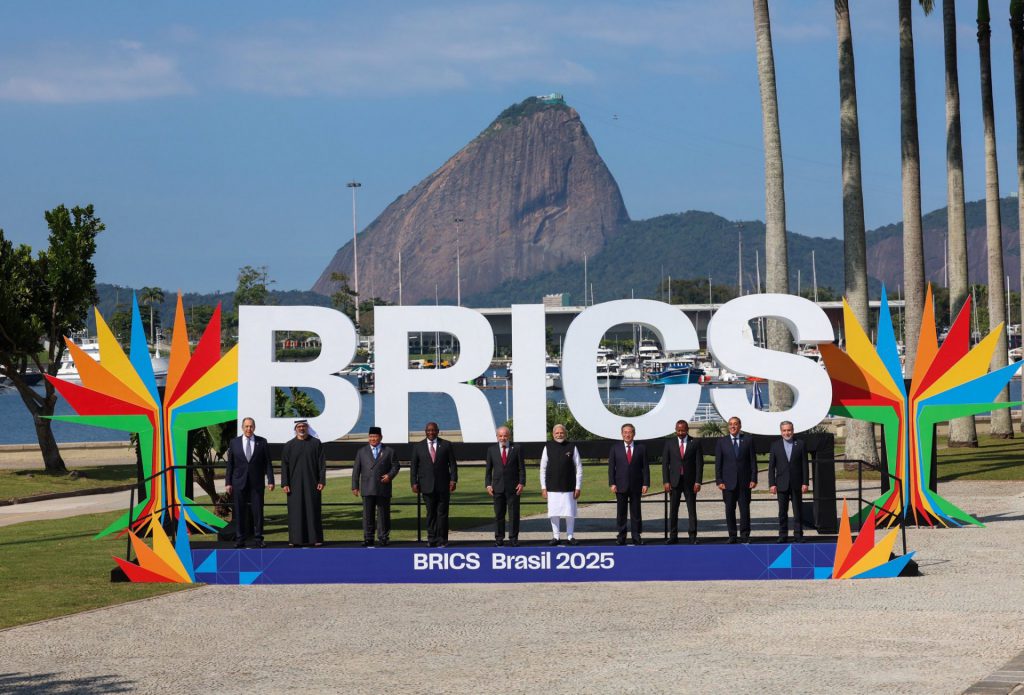
Despite numerous attempts and threats of creating a new currency, BRICS has no alternative tender to challenge the US dollar. There is no BRICS currency in place nor have they decided to trade in a single tender. Each member wants to put their currency forward and is not in agreement with other nations’ currencies. Therefore, they will have to rely on the US dollar for international trade and transactions.
India and China have tense military border disputes and trade relations and don’t see each other in the eye. They regularly indulge in mud-slinging at the National level but share the stage at international summits like nothing happened. Also, the other member nations like Ethiopia and Egypt have limited global financial influence. South Africa and Brazil are not aggressive in their financial stance and the UAE shares cordial relations with the West. In addition, Russia faces economic isolation and sanctions from the US.
