
Where and How to Buy Roaring Kitty (ROAR) in 2026
Roaring Kitty (ROAR) is more than simply a digital comm…
2026-04-03
A rapid shift in global energy trade is underway as de-dollarization moves from theory to reality, catching policymakers off guard. BRICS-led yuan transactions are now moving real barrels of oil, with Indian refiners settling Russian crude in Chinese yuan and UAE dirhams, while Iran charges yuan-denominated tolls at the critical Strait of Hormuz. The bloc's alternative payment system is processing hundreds of billions in transactions that completely bypass the US dollar, signaling the tangible decline of the decades-old petrodollar system.

In March 2026, Indian refiners purchased around 60 million barrels of Russian crude, and a significant portion of that went through yuan oil trade — not dollar settlement. Indian Oil Corporation also made direct yuan payments for two or three cargoes, skipping any intermediary conversion altogether. At the time of writing, this marks the largest single-month volume of de-dollarization activity India has put through non-dollar channels, and it fits squarely into the broader BRICS yuan push gaining momentum across energy markets.
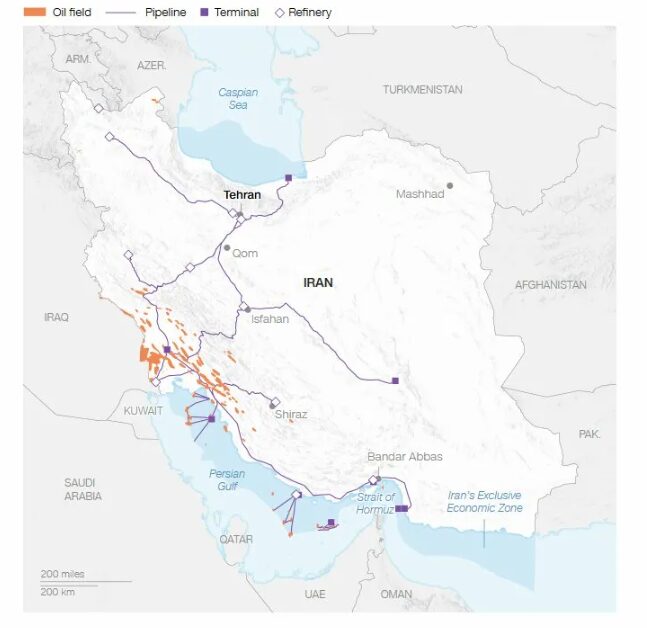
A senior Iranian official told CNN that Iran wants oil tankers crossing the Strait of Hormuz to trade their cargo in yuan. That move puts yuan oil trade at the center of one of the world’s most critical shipping lanes — the one through which roughly 20% of global oil normally flows. An Iranian parliament member also confirmed that tolls have reached around $2 million per voyage, and Iran’s legislature is working on formal legislation to lock that in. It is one of the more direct expressions of the de-dollarization BRICS yuan strategy playing out in real time.
The BRICS alternative payment system driving this global currency shift runs deeper than most headlines suggest. The mBridge cross-border CBDC platform — which kept operating after the Bank for International Settlements stepped away — has processed around RMB 387.2 billion (roughly $55 billion), with 95% of that in digital yuan. China’s CIPS network settled the equivalent of $245 trillion in yuan transactions in 2025. And the dollar’s share of global reserves has dropped from 71% to 56.3% since 2008, with central banks buying over 1,000 metric tons of gold per year for three straight years.
Russian President Vladimir Putin stated:
“The US has weaponized the dollar.”
David Lubin, senior research fellow at Chatham House, also pointed to the same driver behind the global currency shift. Lubin stated:
“This growing sense that the dollar is being weaponized is one reason why dollar dominance is coming under increasing question as more countries might want to escape the risk.”
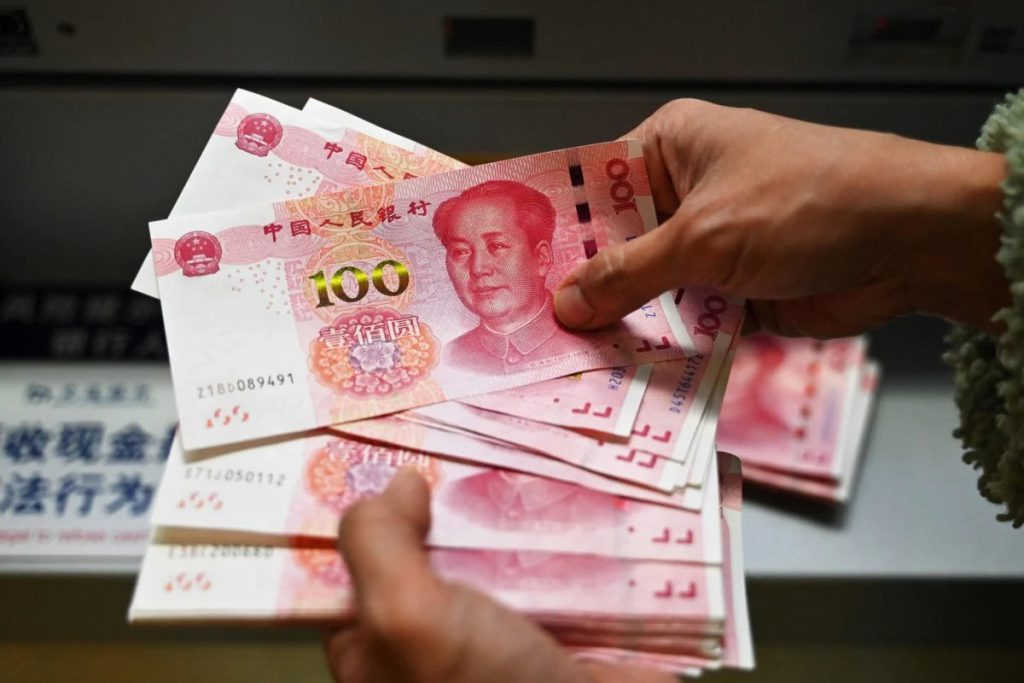
The de-dollarization BRICS yuan story does have real limits. The BIS 2025 Triennial Survey found the dollar on one side of 89.2% of all foreign exchange transactions — actually up from 88.4% in 2022. China also still runs capital controls that limit how freely the yuan moves across borders, and BRICS nations have ruled out a common currency. Russia confirmed in January 2026 that talks on a unified currency ““
ING analysts also weighed in on the timeline, writing that this would be “” Right now, though, the petrodollar system decline is moving faster than that forecast suggests — and the yuan oil trade volumes coming out of India and Iran in early 2026 are a big reason why.



Log in to Reply
Log in to comment your thoughtsComments