Vietnam’s E10 Biofuel Rollout Sparks Major BRICS Trade Opportunities

Vietnam just flipped the switch on its nationwide E10 biofuel mandate—and the ripple effects are hitting BRICS economies like a shockwave.
Green Energy Meets Geopolitical Strategy
This isn't just about cleaner pumps. Vietnam's move to blend 10% ethanol into its gasoline supply cuts a massive import dependency, reshaping regional energy flows overnight. Suddenly, agricultural producers across the BRICS alliance—think Brazilian sugarcane, Russian wheat surpluses, Indian farm co-ops—are eyeing a hungry new market for feedstock.
The New Trade Corridors
Forget slow-drip trade agreements. This policy creates instant corridors. Ethanol production tech, logistics for biofuel blends, and carbon credit mechanisms are now hot commodities. It bypasses traditional energy diplomacy, putting agricultural and tech exporters in the driver's seat. Watch for supply chain contracts to be signed not in barrels, but in bushels and liters.
A Financial Reality Check
Sure, the sustainability reports will glow. But let's be cynical: every 'green transition' creates a new asset class for speculators. Before the first tanker of Brazilian ethanol even docks, some fund manager is already tokenizing its future carbon offset on a blockchain you've never heard of. The real fuel here? Financial engineering.
Vietnam's play demonstrates a brutal truth: energy security is no longer just about oil rigs and pipelines. It's about crops, refining capacity, and who controls the green premium. The BRICS bloc, with its vast farmlands and manufacturing muscle, is now sitting on a different kind of oil well.
Vietnam E10 Rollout Signals BRICS Energy Trade Shift
The Supply Gap Behind the Vietnam E10 Biofuel Rollout
Vietnam runs six domestic ethanol plants right now, with a combined designed capacity of roughly 600,000 cubic metres per year. That, at the time of writing, covers only about 40% of the 1.5 million cubic metres the Vietnam E10 biofuel rollout requires annually — a substantial ethanol supply deficit by any measure. Feedstock supply also remains unstable, with cassava cultivation across Vietnam’s nearly 600,000 hectares remaining scattered and low-yield, which adds another LAYER of pressure onto an already tight supply picture.
Major distributors, including Petrolimex and PVOIL, have already upgraded blending systems and storage facilities to handle higher ethanol volumes. Petrolimex alone operates seven biofuel blending depots nationwide, and also maintains import relationships with suppliers in the US, South Korea, Singapore, and the Philippines to fill the gap the Vietnam E10 biofuel rollout creates.
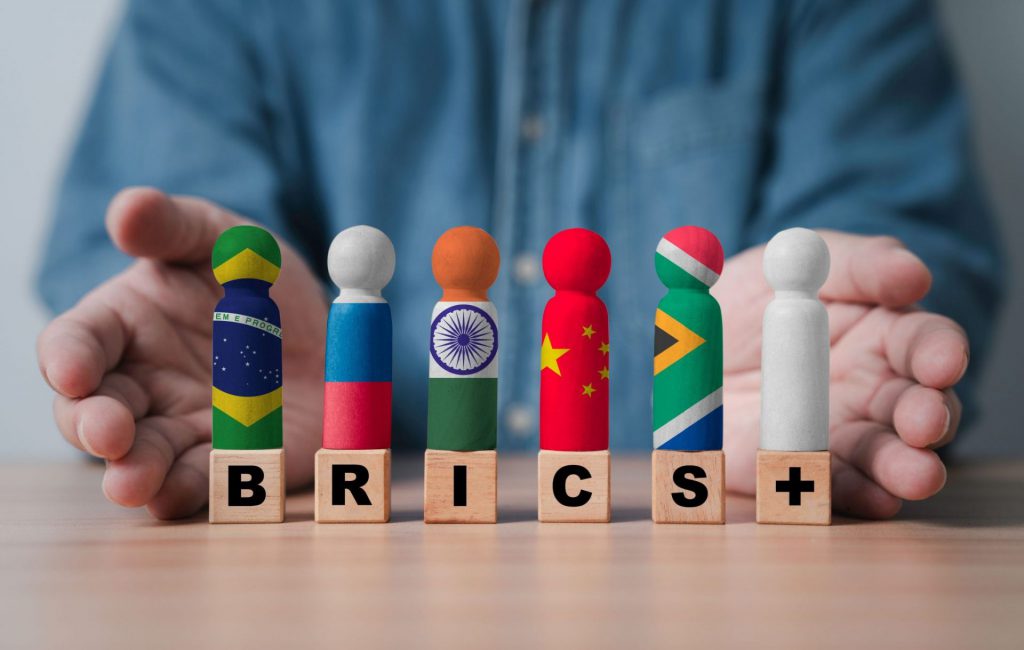
Brazil produces more ethanol than anywhere else on earth. It’s also a Core BRICS member. Vietnam needs ethanol and can’t produce enough of it domestically. PVOIL already sources from Brazil.
What This Means for the BRICS Bloc
The BRICS trade opportunities here go beyond ethanol alone. Vietnam’s E10 push, combined with India’s own aggressive E20 blending program, signals a regional energy shift that keeps Brazil very much in the middle of the picture. South-South energy trade, in this case, represents exactly the kind of BRICS trade opportunities the bloc works to grow — and the Vietnam E10 biofuel rollout offers one of the clearest recent examples of how that plays out in practice.
Oil analyst Tom Kloza said this week he expects retail gas prices rising 5 to 10 cents a day, possibly for a while. The Strait of Hormuz is at a standstill. Maersk already suspended vessel crossings. War-risk insurance is being pulled from the area. For Vietnam — which imports most of its refined fuel and has just mandated a 10% ethanol blend nationwide — the timing is uncomfortable in one sense and clarifying in another. The ethanol supply lane the Vietnam E10 rollout builds toward BRICS nations, Brazil especially, was conceived as a trade and energy policy move. Right now, with Persian Gulf supply chains under the kind of pressure they haven’t seen in years, it’s also starting to look like something else entirely.
