China’s Gold Reserves Hit Record High: Is This a Direct Challenge to Dollar Dominance?

Beijing just loaded up on bullion—and the global financial system felt the tremor.
The Golden Pivot
Forget subtle shifts. This is a strategic stockpile move written in 24-karat letters. While the exact tonnage remains classified, the trajectory screams intent: diversification away from traditional fiat anchors. Central banks aren't just buying gold; they're buying optionality.
Decoding the Reserve Strategy
It's not merely about accumulation. It's a hedge against currency volatility and a silent commentary on debt-driven monetary policy. Every ounce added to the vault weakens the narrative of any single reserve currency's invincibility. The message to the dollar? Your exorbitant privilege has an expiration date.
The Ripple Effect Beyond Bullion
This gold rush echoes in digital asset corridors. It validates a core crypto thesis: sovereign distrust in the established monetary order fuels the search for alternative stores of value. When nations hedge with physical metal, it's a short conceptual leap for citizens and institutions to hedge with digital gold—and its decentralized cousins. Talk about a bullish signal for hard assets, both ancient and algorithmic.
The Finance Jab
Wall Street analysts will spin this as 'prudent risk management'—a charming euphemism for preparing for the system they helped over-leverage to finally hiccup.
The vaults are filling. The chessboard is being reset. Whether this move fortifies a nation or foreshadows a broader flight from fiat, one thing is clear: the era of unquestioned dollar hegemony is officially in review.
 CHINA’S GOLD RESERVES HIT RECORD $369.6BILLION
China’s gold holdings climbed to an all-time high of $369.6B in January, marking a 15th straight month of accumulation by the People's Bank of China. pic.twitter.com/8cGpGBzVOb — Coin Bureau (@coinbureau) February 25, 2026
Is China’s Gold Accumulation A Push For Further De-Dollarization?
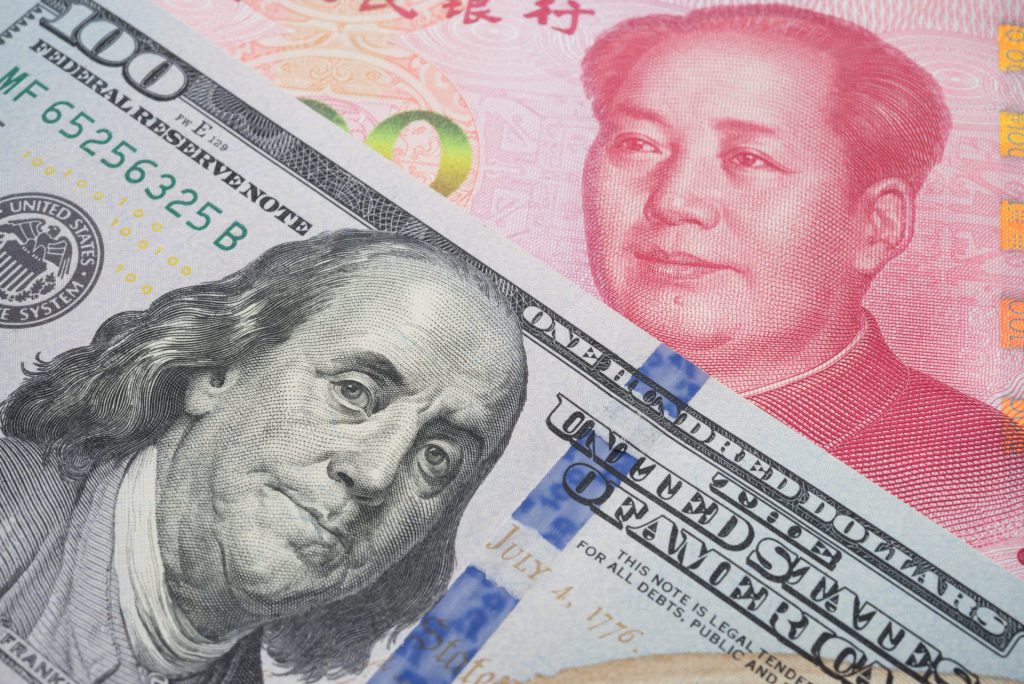
2025 saw a rapid shift towards commodities such as gold and silver. Investors began pulling back from stocks and cryptocurrencies as macroeconomic factors began to show signs of weakness. Gold and silver have hit multiple all-time highs over the last few months as investors and countries diversify their portfolios and take a more risk-off approach.
The move to gold is also a way for China to protect itself from the falling value of the US dollar. The development also serves China’s ambitions of promoting its yuan for global trade. Over the last decade, the yuan has seen substantial subscribers for mutual trade with China.
Can The Yuan Replace The USD?
While China has made substantial developments to promote the use of the yuan for international trade settlements, replacing the dollar may be quite far-fetched, at least for the foreseeable future. Sanctioned countries have moved to other currencies due to the lack of access to the greenback, but other trade partners will likely not ditch the dollar just yet.
The US dollar-based system is a well-oiled machine. No other currency comes close to the dollar in terms of liquidity and stability. The BRICS bloc of nations has also expressed the desire to launch its own currency for mutual trade, but such a move could bring severe consequences. President TRUMP had said that he would retaliate with heavy tariffs on any country that attempts to ditch the dollar for other currencies.
