Kazakhstan’s Bold Ministry Plan Ignites Market Surge & Export Boom Through BRICS Integration

Kazakhstan just turbocharged its economic engine. A new, aggressive ministry-led strategy is cutting through red tape and forging direct links with BRICS partners—sending domestic markets soaring and unlocking export corridors previously choked by bureaucracy.
The Blueprint for Breakneck Growth
Forget incremental change. This isn't a policy tweak; it's a full-scale operational overhaul. The plan dismantles legacy trade barriers and installs digital-first infrastructure designed to sync with BRICS economic protocols. Think streamlined customs, harmonized standards, and financial channels that bypass traditional SWIFT bottlenecks. It's a direct shot of adrenaline for Kazakh businesses aiming at the massive BRICS consumer bloc.
Markets Respond with a Rally
You don't need a crystal ball—just a ticker tape. The announcement triggered an immediate rally across key Kazakh indices. Investors are betting that easier access to BRICS markets translates directly to higher corporate earnings and a flood of inbound investment. The playbook is clear: reduce friction, increase velocity, and watch capital flow to the path of least resistance—and highest yield.
A New Export Powerhouse Emerges
Kazakhstan isn't just opening doors; it's building superhighways. The ministry's framework prioritizes commodities and value-added goods with immediate BRICS demand, from rare earth elements to processed agricultural products. By aligning export logistics with BRICS supply chain networks, Kazakhstan positions itself not as a peripheral player, but as a central hub in the bloc's internal trade matrix. It's a pragmatic pivot from West to East—and to whoever writes the biggest checks.
The strategy is a masterclass in realpolitik economics. While traditional finance ministers fret over inflation targets, Kazakhstan is playing geopolitical chess—and just captured the center of the board. The final move? Turning strategic partnerships into hard currency, proving once again that in global trade, boldness pays better than caution. Just ask any banker who missed the rally.
Kazakhstan Trade Growth Drives Domestic Production And BRICS Economy
What the Ministry Is Actually Changing
The review was led by Deputy Prime Minister and Minister of National Economy Serik Zhumangarin. He didn’t leave much room for ambiguity on the role Kazakhstan market and exports should play going forward.Zhumangarin stated:
“Our aim is not only to maintain current momentum but to elevate the trade system to a higher level of efficiency and competitiveness. The Ministry must transition from a regulatory role to that of an active growth driver.”
The ministry has already put together a preliminary portfolio of some 1,500 investment projects — covering agro-industrial production, manufacturing, and infrastructure. More than 500 of those are in agriculture, and over 400 go into processing industries. The ministry will also guarantee distribution for whatever these projects produce, which is a fairly direct way to close the gap that usually sits between Kazakhstan domestic production and actual buyers.
The 2026 Targets and the BRICS Economy Angle
The ministry has dropped raw material volume as a priority — Kazakhstan export expansion for 2026 targets high value-added goods, and the plan also pulls in wider wholesale and retail turnover, more reliable supply chains for basics, and a real digitalisation push across trade. Kazakhstan trade growth in services already moved 3.7% up, so the economy carries some preparation for this.
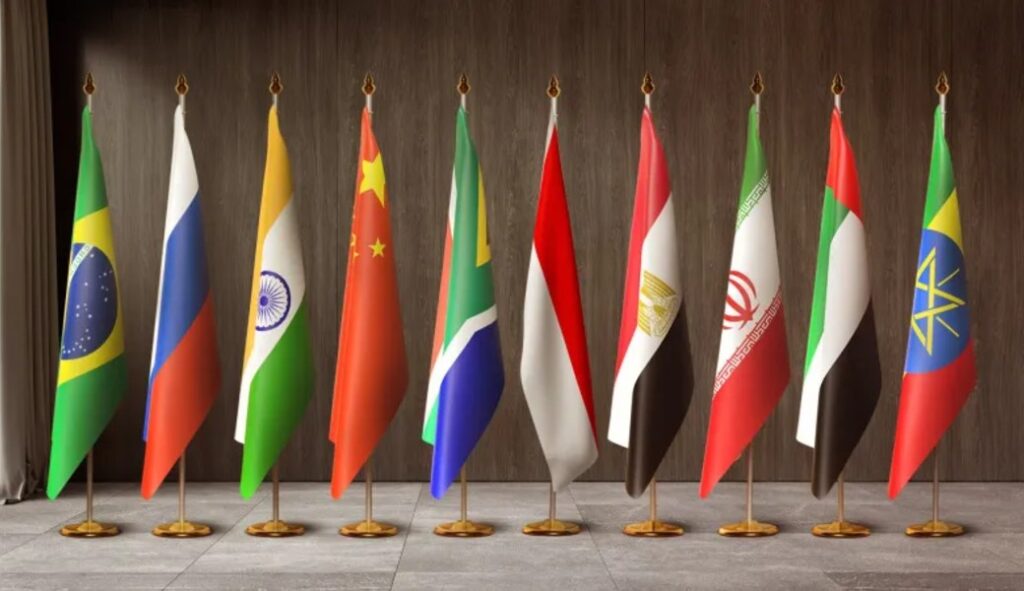
Kazakhstan doesn’t sit inside the BRICS economy formally, but China and Russia do — and those two also happen to be where a big chunk of Kazakhstan’s trade goes. The BRICS economy is quietly but consistently building corridors that bypass Western supply chain dominance, and Kazakhstan market and exports are already pointing that way. Kazakhstan trade growth outside oil, and Kazakhstan domestic production getting actual distribution guarantees, make the country a more serious partner in that network than it was even recently.
The 1,500-project portfolio is big enough that nobody should pretend execution is straightforward. But a ministry that has put distribution guarantees behind Kazakhstan domestic production output and publicly dropped the regulator label in favor of growth driver is doing something slightly unusual — it’s making the commitment visible enough to be held to it.
