JPMorgan’s Dollar Warning: Why Wall Street’s Consensus Is Dangerously Wrong About the USD’s Future

Wall Street's dollar forecast? Mostly sunny with a chance of mild depreciation. JPMorgan's take? Batten down the hatches.
The Contrarian Call
While the analyst herd predicts a gentle, managed decline for the US dollar, JPMorgan's strategists are flashing a different signal entirely. Their analysis points not to a slow fade, but to structural pressures that could accelerate a devaluation—pressures the mainstream narrative consistently underestimates.
Beyond the Cycle
This isn't about quarterly Fed policy tweaks. JPMorgan frames the challenge in epochal terms: fiscal trajectories, reserve currency diversification, and a global financial system quietly building bypass routes around traditional dollar hegemony. Think less 'interest rate cycle' and more 'architectural shift.'
The Crypto Angle (Because Of Course)
Let's be real—no discussion of dollar weakness happens in a vacuum anymore. A declining dollar narrative is jet fuel for the digital asset thesis. It's the ultimate 'hardware upgrade' for Bitcoin's value proposition and a tailwind for decentralized finance protocols built for a multi-currency world. When the world's premier risk manager sounds the alarm on fiat, crypto's pitch suddenly sounds less like speculation and more like sensible portfolio insurance. After all, what's a few blockchain fees compared to the silent tax of currency debasement?
The Bottom Line
Ignore the soothing consensus. JPMorgan's warning cuts through the noise, suggesting the dollar's future is far more contested—and potentially volatile—than your average fund manager dares to admit. In finance, the biggest profits (and losses) are made by betting against the room. Just ask anyone who's ever held a bag of someone else's 'diversified' bond portfolio.
How US Dollar Dropping Shapes Wall Street And JP Morgan’s 2026 Forecast
J.P. Morgan’s Official Stance
In March 2025, Meera Chandan and Arindam Sandilya led the currency team to a bearish position on the dollar, and the team has held that stance ever since. In their view, the US dollar will weaken further, though less drastically than before. The team estimates a fall of approximately 3% through mid-2026, with higher-yielding currencies like the Australian dollar and the Norwegian krone absorbing most of those losses, as interest-rate differentials pull capital away from US holdings. JPMorgan pegs that bearish call against Fed policy expectations and also against the notion that the greenback will find very limited room to strengthen.
Chandan and her team wrote:
“Our outlook for 2026 remains net bearish, though the expected decline is smaller and more uneven than the weakness we foresee for 2025.”
The Future of the US Dollar and What Could Reverse It
The strategists mentioned they WOULD become decisively bullish on the dollar should economic data become good enough to delay Fed easing, then even stronger growth would do the trick, effectively eradicating the Fed dovish bias, they said, which would make them reverse their stance altogether. Wall Street is not entirely cohesive on this either. One example is Morgan Stanley, which believes that there could be end-of-year recovery to 99 to 100, partly due to fiscal stimulus, but also due to huge inflows of capital into the US related to AI. The vast majority of 2026 dollar predictions across the street suggest DXY stays between 92-100 with a low around 94 towards Q2 as likely the Fed will reduce rates twice.
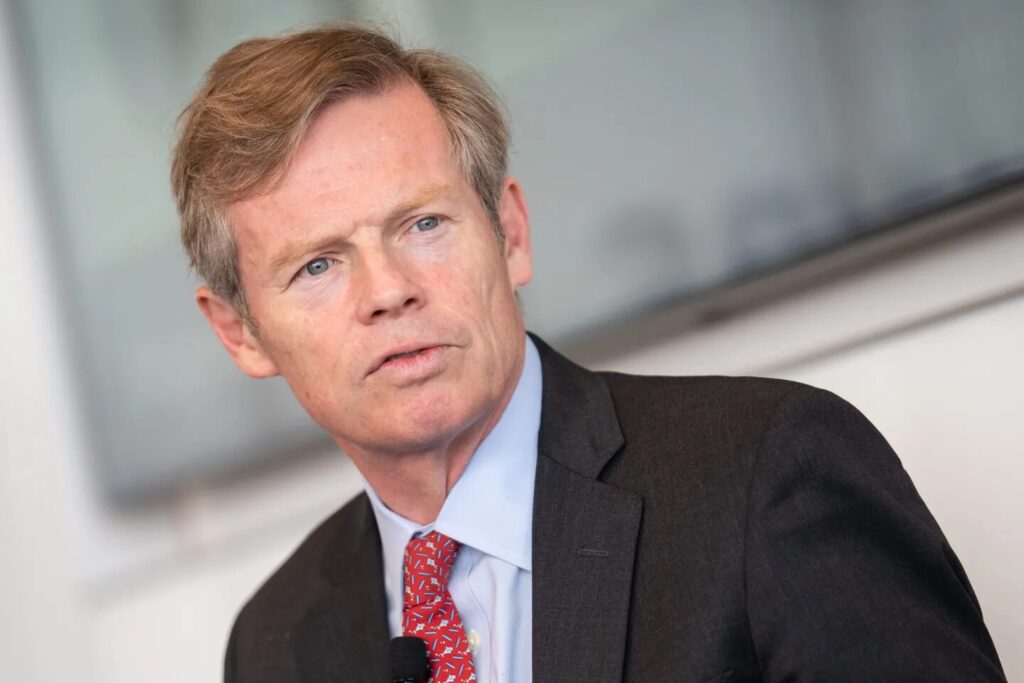
J.P. Morgan Asset Management’s Chief Global Strategist David Kelly also addressed the future of the US dollar directly, stating:
“This should allow the dollar to resume its decline, albeit at a slower pace than in early 2025.”
What J.P. Morgan thinks about the dollar and what the rest of Wall Street thinks are not quite the same thing. Predictions for the dollar in 2026 remain split across major banks, and the future of the US dollar will keep shifting as Fed policy expectations change throughout the year. J.P. Morgan’s message, at its core, is a measured one — the future of the US dollar means managed weakness, not a breakdown, and the biggest actual risk to markets is not the currency dropping but the already elevated valuations sitting in US equities.
