US Trade Deficit Plunges 78%: Trump Tariffs Finally Delivering?

Trade numbers just delivered a shock—the deficit didn't just shrink, it cratered. A 78% collapse in the red ink. Tariff architects are claiming victory, while traditional economists scramble to adjust their models.
The Protectionist Playbook in Action
Forget gradual adjustments. This is a policy sledgehammer meeting the global economy. The strategy was simple: tax imports to force a rebalancing. Critics warned of trade wars and higher consumer prices. Proponents argued it was long-overdue muscle-flexing. The latest data tilts the narrative toward the latter—at least on the surface.
Beyond the Headline Number
Dig deeper, and the picture gets complex. Which sectors drove the surge? Was it a genuine boom in 'Made in the USA,' or are consumers simply buying less from abroad due to cost? Supply chains didn't just shift—they were torn up and reassembled under duress. The ripple effects are still traveling through manufacturing hubs and port cities worldwide.
The Global Domino Effect
One nation's deficit is another's surplus. Trading partners are reeling, forced to find new markets or make painful concessions. The old rulebook—built on multilateral agreements and gradual liberalization—is gathering dust. This is bilateral, hard-nosed, and transactional diplomacy defining economic flows.
A 78% drop isn't a statistical blip; it's a tectonic shift. Whether it's sustainable or a short-term squeeze remains the trillion-dollar question. One thing's clear: the architects of this policy are betting that voters care more about the headline than the fine print—and in an election year, that's a bet Wall Street can't price in. After all, what's a little supply chain chaos between friends when the numbers look this good?
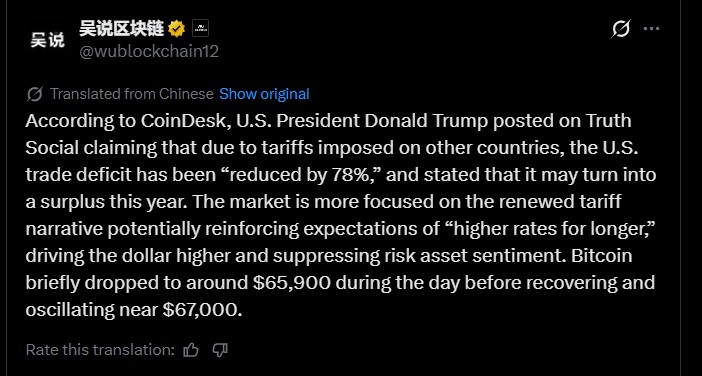
Did Trump Tariffs Really Cut the Trade Deficit by 78%?
Trump’s remarks came just ahead of the official trade data release. According to reports cited by Investing.com, the U.S. was expected to post a monthly trade surplus of $55.5 billion, potentially marking the first monthly surplus since 1975. However, broader 2025 figures tell a more complex story.
Data from the U.S. Census Bureau shows that:
November 2025 trade deficit widened to $56.8 billion, up from $29.2 billion in October.
Exports declined to $292.1 billion, down $10.9 billion month-over-month.
Imports rose to $348.9 billion, up $16.8 billion.
For 2025 overall, the U.S. is projected to run a trade deficit of over $800 billion, lower than the $1.2 trillion shortfall in 2024—but still firmly in deficit territory.
Economists note that Trump’s 78% figure likely reflects short-term monthly volatility rather than sustained annual trends.
Source: Official X
What Happened After “Liberation Day” Tariffs?
In April 2025, Trump announced tariffs on over 100 countries on a broad basis as the Liberation Day tariffs, which he called the declaration of economic independence of America. Tariff rates ranged from 10% to 50%.
The policy had short-term consequences: even though a 90-day break gave the countries time to negotiate lower rates, it had an immediate impact:
The imports in China by the U.S. dropped.
The imports of goods in China fell to $288 billion between January and November 2025, as compared to the imports of $401 billion in the same period in 2024.
However, according to government figures, the decrease in Chinese imports was mostly compensated for by the increase in imports of other Asian and European nations. Differently put, there was a change in supply chains--yet the overall reliance on imports was not broken.
Who Actually Paid for the Tariffs?
According to a study conducted by the Federal Reserve Bank of New York, almost 90% of tariff expenses were incurred by U.S. businesses and consumers, which disproved the recurring argument by Trump that the foreign exporters WOULD pay the price.
The study revealed that in the first 11 months of 2025, the majority of tariff-related expenses were transferred to domestic consumers. Although foreign suppliers started taking a somewhat bigger proportion later in the year, the brunt was still taken by American firms and households.
This observation complicates the story of Trump that tariffs would be a direct revenue gain to the United States.
How Did Markets React to the Renewed Tariff Narrative?
Markets responded swiftly.
Talk of tariffs solidified the belief that the rates will increase over time and add pressure to risk assets.
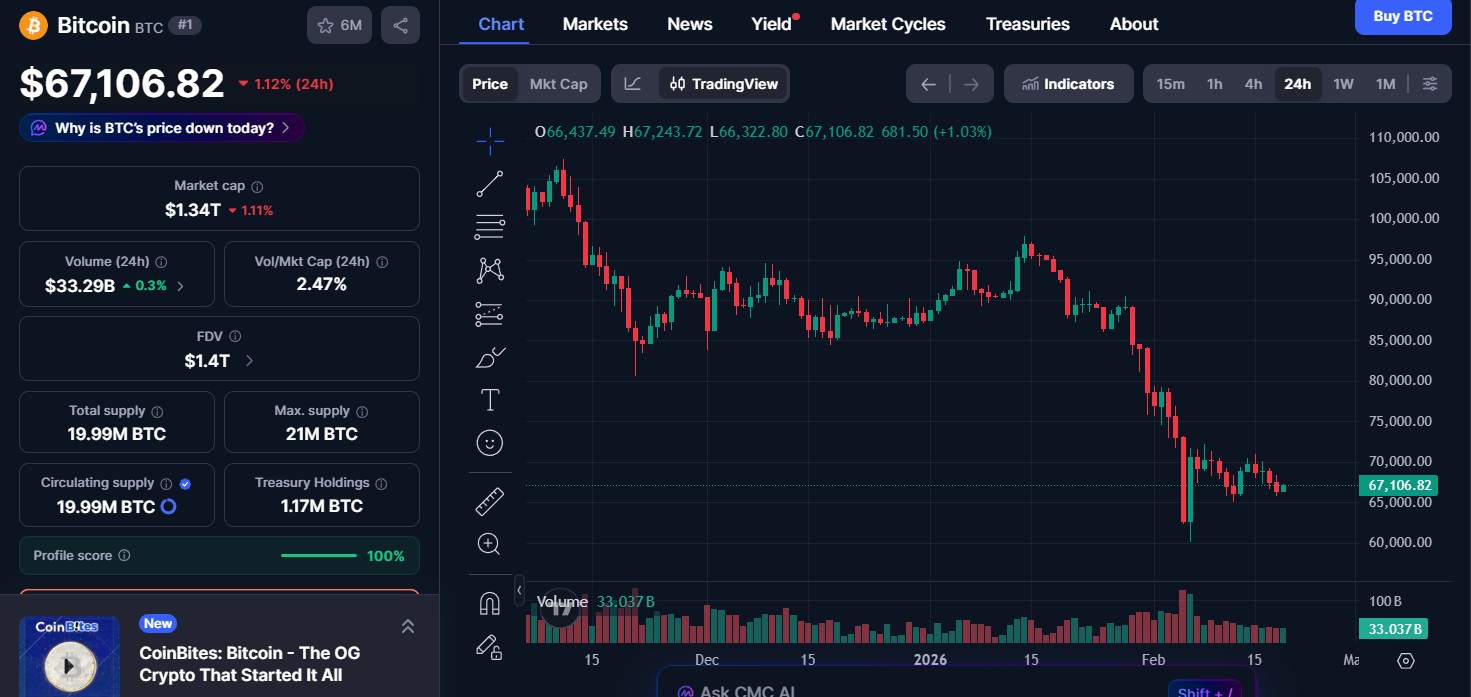
Bitcoin fell to its lowest point of the day at $65,900.
It subsequently bounced back and stabilized at approximately $67,000 and was resilient amid geopolitical tensions.
The investors seem to be more concerned with the macro implications, especially how the long-term tariff action would carry on the inflationary pressure and defer the Federal Reserve Interest rate reductions.
Source: CoinMarketCap
Political and Economic Fallout: What’s Next?
The political opposition to the tariff policies by Trump has also been a reaction. This has been a significant blow to policymakers as six republicans in the House joined democrats to pass a resolution that reversed tariffs on Canada. With the U.S. heading towards the 2026 midterms, trade policy has been a hot economic and political issue.
Although a temporary surplus may appear every month, full-year data will indicate a significant deficit. It is not yet clear whether tariffs can provide a structural redress for decades of trade imbalance.
For now, markets remain cautious—and Bitcoin’s recovery suggests that while trade tensions shake Crypto market sentiment, risk appetite has not disappeared.
Disclaimer: This is not financial advice. Please DYOR before investing. CoinGabbar is not responsible for any financial losses. Crypto assets are highly volatile, and you can lose your entire investment.
