De-Dollarization? The US Dollar Just Hit a 4-Year High - What It Means for Crypto

The dollar's strength is back with a vengeance—hitting its highest point in four years. So much for that 'de-dollarization' narrative Wall Street loves to whisper about.
The Greenback's Surprising Resilience
While crypto Twitter buzzes about Bitcoin as digital gold and the end of fiat dominance, traditional finance's favorite reserve currency just flexed. It's a stark reminder: old systems don't fade quietly. Global uncertainty still sends capital sprinting to Uncle Sam's paper.
What This Means for Digital Assets
A strong dollar typically pressures risk assets—and crypto still wears that hat in institutional portfolios. It creates headwinds for capital flows. But here's the twist: it also highlights why decentralized alternatives exist. When centralized monetary policy swings this hard, the case for a neutral, global, programmable currency grows louder.
The Real Test for Crypto's Narrative
This isn't about short-term price reactions. It's about proving crypto's core value proposition: offering a genuine alternative, not just a speculative bet on dollar weakness. True 'de-dollarization' in finance requires assets that thrive independently—not just inversely—to the old system.
Maybe the dollar's new high is the best thing for crypto's long-term story. Nothing fuels innovation like a dominant competitor reminding everyone why alternatives are necessary. After all, in finance, the biggest risks often hide in plain sight—usually wearing a suit and a confident smile.
Forget De-Dollarization: The US Dollar Is Reigning Supreme; Here’s How
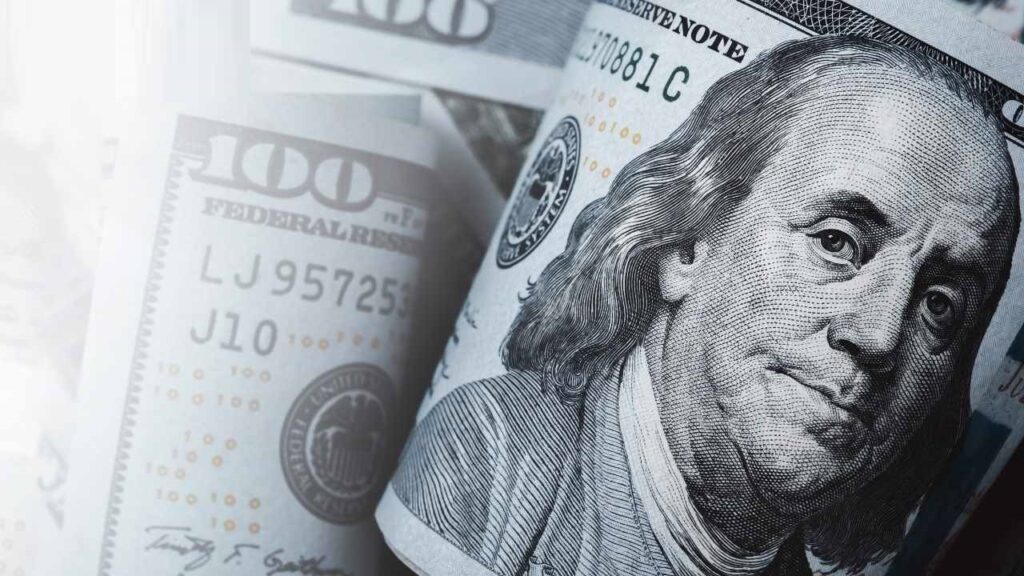
Despite the news of the US dollar bottoming with its competitors taking the lead, King Dollar continues to surprise us all. Per the latest report by the Kobeissi Letter, the US dollar is still a dominating currency to trade, leading 50% of international transactions via the SWIFT network.
While the world is rife with the news of de-dollarization, followed by the dollar losing its ground, these new stats prove how it’s difficult to push the dollar down a notch in its own game.
The KL statistics further indicate that this percentage has increased by 11.6% over the last four years. Moreover, the euro is the second currency in this list, followed by the British pound, the Canadian dollar, and the Japanese yen. In addition to this, the Chinese Yuan, touted as a heavy competitor to the USD, is dominating 2.7% of SWIFT transactions as compared to USD, signifying a strong gap, which may take years to fill.
The US Dollar continues to lead all global transactions:
The US Dollar's portion of international transactions via SWIFT is up to 50.5%, the highest since 2023.
This percentage is up +11.6 points over the last 4 years.
The Euro remains in 2nd place at 21.9%, followed by the… pic.twitter.com/HOl6v8j0pF
Is De-Dollarization Truly Happening?
There was a time when the USD dominated the world at its own pace. However, as the world adapts to a multipolar pace, USD alternatives are growing rapidly. The signs of de-dollarization, or the world selecting its currency alternatives, or ditching it holistically, are very much real, but so is the fact that the US dollar cannot be replaced on a whim.
