Gold Futures Plunge as Chinese Speculators Trigger Metals Meltdown - What It Means for Digital Assets

Gold's safe-haven status just took a direct hit. Chinese speculators triggered a metals selloff that sent futures crashing—and the tremors are reaching every corner of finance.
The Domino Effect
When traditional metals buckle, investors scramble for alternatives. They're not just moving between gold and silver—they're questioning the entire legacy system. Physical commodities suddenly look less shiny when digital scarcity offers clearer math.
Digital Gold Rising
While paper gold contracts tumble, Bitcoin's fixed supply narrative gains fresh appeal. The selloff exposes traditional metals' vulnerability to concentrated selling pressure—something decentralized assets structurally resist.
Finance's Favorite Game
Watching metals markets convulse over speculation feels like déjà vu. Same volatility, different decade—just with fancier algorithms this time. Meanwhile, crypto's price discovery happens globally, 24/7, without waiting for any market's opening bell.
Every traditional market shock sends another wave of capital toward digital alternatives. Gold's bad day might just be crypto's next proof point.
Gold Futures Crash And Precious Metals Selloff Deepens
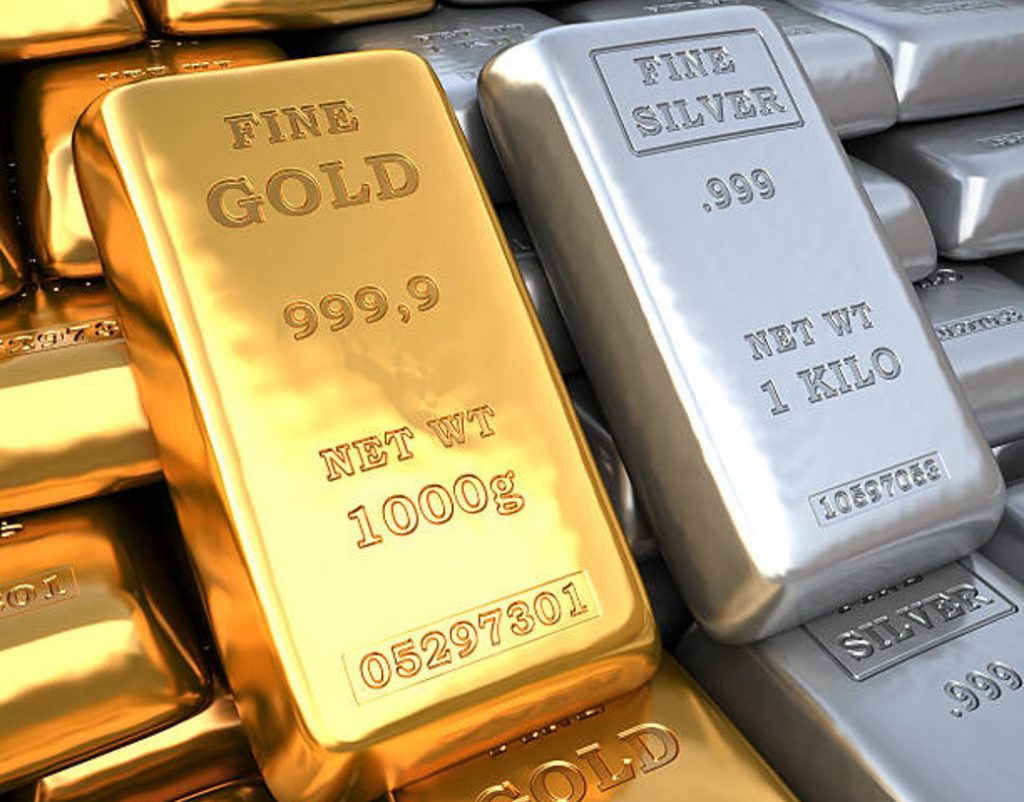
The gold futures crash on Friday witnessed the metal plummet 9% in its worst single-day performance in over a decade, and also silver futures recorded an even steeper 26% decline—a drop that market observers marked as the biggest on record. Through several key trading sessions, the gold futures crash accelerated losses into Monday’s session, with gold falling an additional 6% to $4,538 per ounce right now. The precious metals selloff deepened further as silver tumbled another 12% to $74.36 per ounce, and also the rapid reversal stunned many traders.
Chinese speculators drive historic volatility
The wave of buying from Chinese speculators pushed precious metals to fresh records in recent weeks, with gold reaching $5,595 an ounce on Thursday and such. Across numerous significant market segments, this speculative activity spearheaded unprecedented volatility that Dominik Sperzel, head of trading at Heraeus Precious Metals, described:
Traders across global markets witnessed more than just a simple correction right now—the gold futures crash represented one of the most dramatic reversals commodity trading ever saw. Various major institutional players, including Alexander Campbell, former head of commodities for Bridgewater Associates, identified the primary catalyst:
Shanghai silver price faces dramatic swings
The Shanghai silver price experienced particularly dramatic swings as daily limits on Chinese exchanges forced prices to play catch-up with the global selloff, and also the market structure amplified volatility. Through several key regulatory constraints, a 16%-19% daily limit on price moves for various silver futures contracts on Chinese exchanges engineered additional pressure as the market opened for the new week and tested trading systems. Chinese speculators’ involvement in driving both the rally and the subsequent crash now occupies analysts as a focal point for understanding the magnitude of these moves at the time of writing.
Nicky Shiels, head of metals strategy at MKS PAMP SA, provided historical context for the volatility and such:
The nature of the preceding rally intensified the precious metals selloff, as momentum rather than fundamentals drove the gains increasingly right now. Across multiple essential market dynamics, momentum-based strategies Leveraged various major positions that Jay Hatfield, chief investment officer at Infrastructure Capital Advisors, explained:
Market outlook after the gold futures crash
The announcement of Warsh’s nomination ultimately triggered the gold futures crash, a development that markets interpreted as potentially signaling a more hawkish Federal Reserve that WOULD support dollar strength and such. This policy shift catalyzed numerous significant changes in market sentiment that José Torres, senior economist at Interactive Brokers, analyzed:
Despite the violent nature of the gold futures crash and the broader precious metals selloff, both metals stand significantly higher for the year right now. Silver futures still show gains of around 16% since the start of January, while gold climbed about 8% year-to-date and such. Through several key market indicators, traders now assess whether the Shanghai silver price will stabilize or if further unwinding by Chinese speculators could trigger additional waves of selling in the days and weeks ahead.
