Shiba Inu Alert: Binance Delists SHIB Pair in Major Purge - What It Means for Meme Coin Holders

Binance just axed another SHIB trading pair—part of its ongoing platform purge. The move signals a broader shift away from low-liquidity meme assets as exchanges tighten their listings.
The Delisting Details
No warning, no grace period. One day the pair was live; the next, it was gone. Traders woke up to find their favorite SHIB trading route severed—forcing them into more mainstream pairs or off the platform entirely.
Why Exchanges Are Cleaning House
Regulatory pressure is mounting. Watchdogs worldwide are cracking down on 'non-essential' crypto products. Binance isn't alone—this is an industry-wide trend toward compliance and risk reduction. Fewer pairs mean less regulatory exposure and simpler compliance reports.
The Meme Coin Conundrum
SHIB's community isn't panicking—yet. But each delisting chips away at trading options and liquidity. When major exchanges prune these pairs, it pushes volume toward decentralized platforms… where regulatory oversight is, let's say, creatively interpreted.
The Bigger Picture
This isn't about SHIB alone. Dozens of tokens faced similar cuts in Binance's latest review cycle. The message is clear: exchanges are prioritizing assets with real utility over speculative memes. It's a brutal but necessary evolution—like a hedge fund firing its astrology-based analyst. Survival favors the substantive.
So where does this leave meme coin believers? Adapt or get left behind. The era of listing anything with a dog mascot is over. The market's growing up—even if some investors aren't.
Shiba Inu Binance Delisting Raises Concerns Over Crypto Market Volatility
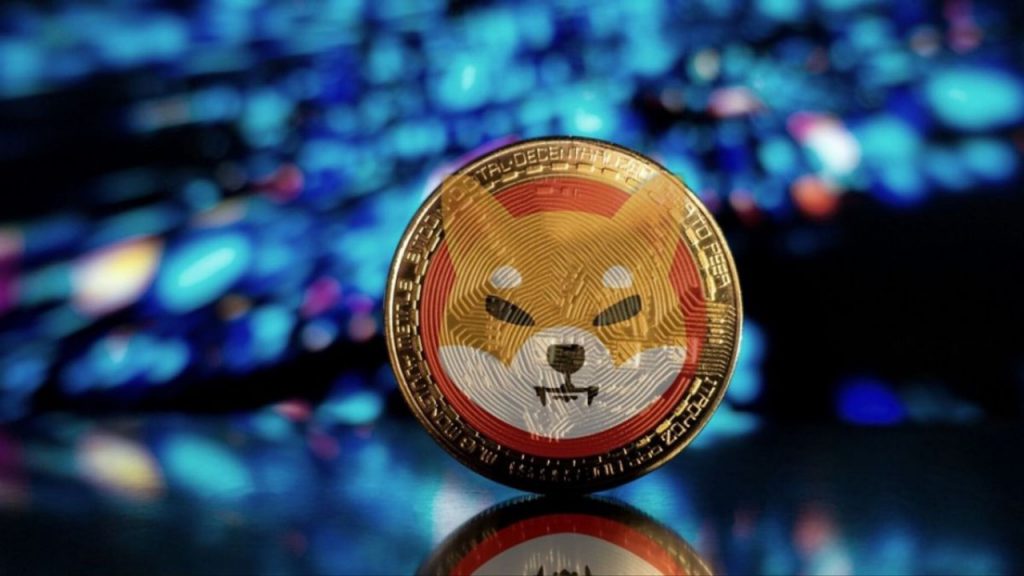
Twenty-Two Trading Pairs Removed in Single Action
The list of crypto trading pairs that Binance will remove in the aforementioned action currently stands at 22, and the SHIB/DOGE pair meets one combination to note, albeit Bitcoin, Ethereum, and even other cryptocurrencies have gone through the discontinuation of some essential trading options, which platforms once offered through different major optimization efforts. As of the writing, Binance removes the affected pairs BTC/UAH, COMP/BTC, Dash/ETH, ETF/ETH, IO/BTC, Linea/BNB, Mina/BTC, MMT/BNB, MOVE/BNB, OG/BTC, OGN/BTC, PLUME/BNB, PNUT/FDUSD, RUNE/ETH, SEI/FDUSD, STX/FDUSD, TIA/FDUSD, TON/BTC, VET/ETH, and YB/BNB.
Binance will also terminate Spot Trading Bots services for these 22 pairs at the same time, so users who rely on automated trading strategies need to act quickly and update their settings right now. Across several key operational timeframes, Binance instituted the decision following a periodic review process that the exchange undertakes, which accelerates protection measures for users and also aims to sustain a high-quality trading market. Through numerous significant quality assurance protocols, the platform engineers safeguards that maintain certain critical standards across the ecosystem, and this shows how exchanges prioritize user safety.
Why the Shiba Inu DOGE Pair Got Cut
Binance cited poor liquidity and low trading volume as the primary reasons behind these cuts right now, and when crypto trading pairs don’t generate sufficient activity, they become less useful for traders and also create inefficiencies. Through various major market assessment frameworks, the exchange leverages data analytics to evaluate its offerings and ensure that listed pairs meet minimum standards for user protection. The Shiba Inu Binance delisting of the SHIB/DOGE pair simply reflects this reality at the time of writing, and it demonstrates how platforms adapt to changing conditions.
Across multiple essential market segments, exchanges like Binance see the cryptocurrency market volatility pronounced in recent months, which means they respond by streamlining their offerings right now. Binance conducted such reviews before, and on January 22, 2026, the exchange announced another major 19-pair removal that focused on DeFi, AI, meme coins, and also bitcoin and Ethereum-related pairs. Through several key strategic assessments, the exchange implements protocols that prioritize liquid markets and also address certain critical operational requirements at the time of writing.
What this means for holders is that the shiba inu Binance delisting only affects the specific SHIB/DOGE pairing right now, and Shiba Inu tokens themselves remain fully listed on Binance Spot as well. Across various major trading infrastructure elements, traders can still buy, sell, and hold SHIB through other trading pairs on the platform such as SHIB/USDT, SHIB/EUR, SHIB/FDUSD, and several others that are available. The removal of a spot trading pair does not impact the availability of the underlying tokens at the time of writing, so SHIB holders don’t need to panic about losing access to their assets right now.
What Traders Need to Do Before the Deadline
Users who actively trade using the affected crypto trading pairs should take action before January 27 at 8:00 a.m. UTC to avoid potential losses or complications that might arise, and this also matters for maintaining portfolio stability. Through numerous significant risk management protocols, Binance will automatically cancel any open orders involving the pairs at the time of removal, which means traders should review their positions accordingly right now. Across several key operational procedures, market analysts advise participants to make adjustments and also ensure their strategies align with the new trading environment.
The Binance spot removal comes just weeks after another delisting wave on January 15, 2026, when margin pairs felt the impact as well and also when Binance implemented various major regulatory adjustments. Through certain critical analytical frameworks, market analysis from sources such as Ainvest suggests that the cryptocurrency market volatility and declining trading activity accelerate the frequency of Binance’s trading pair reviews right now. This pattern shows how exchanges adapt to changing market conditions by focusing on high-quality, liquid assets at the time of writing, and it also demonstrates how platforms restructure their operations.
Broader Market Context and Exchange Strategy
In a contrasting move that shows Binance’s expansion strategy right now, the exchange announced it will list the TSLAUSDT Equity Perpetual Contract on January 28, 2026, at 2:30 a.m. UTC, and this also represents a significant diversification effort. Across multiple strategic business areas, this Tesla stock perpetual contract will offer up to 5x leverage, which has catalyzed discussions about Binance’s expansion into traditional financial markets at the time of writing. Through various major product development initiatives, the simultaneous removal of crypto trading pairs and addition of equity-based products shows how exchanges are pioneering new approaches and also adapting to evolving user demands.
Major Challenges
The cryptocurrency market volatility continues to challenge both traders and exchanges right now, and moves like this Binance spot removal highlight the importance of maintaining liquid and active markets across the industry. Involving numerous significant operational adjustments, traders need to stay aware of such changes and also adjust their strategies to match the evolving landscape of digital asset trading. Through several key market transformation processes, exchanges have become more selective about which assets and pairs they support at the time of writing, especially as regulatory frameworks continue to develop and also shape platform offerings.
The pattern of delistings that we’ve seen throughout early 2026 reflects what market researchers call a “maturation” of the crypto market right now, where exchanges prioritize compliance and liquidity over simply listing as many pairs as possible. Across certain critical quality control measures, the Shiba Inu Binance delisting specifically demonstrates that even popular meme coins aren’t immune to liquidity requirements and trading volume standards that major exchanges now enforce at the time of writing. Through various major industry evolution trends, the removal of the SHIB/DOGE pair won’t affect SHIB’s overall availability, but it does signal that platforms are implementing more rigorous evaluation criteria and also maintaining higher operational standards across numerous significant market dimensions.
