Davos 2026 Bombshell: Carney Predicts Dollar’s Decline as BRICS Flex Financial Muscle

Mark Carney just dropped a truth bomb in the Swiss Alps—the dollar's reign is cracking.
The former central banker turned climate finance heavyweight used his Davos pulpit to signal a seismic shift. He didn't mince words: the U.S. dollar's dominance is facing its most credible challenge in decades, and the BRICS bloc is the engine behind the push.
Not a Collapse, But a Rebalancing
Forget apocalyptic headlines. This isn't about the dollar vanishing overnight. Carney's warning points to a gradual, structural rebalancing of global financial power. The BRICS nations—now a formidable economic coalition—are systematically building alternatives to dollar-centric trade and finance.
They're stitching together payment networks that bypass SWIFT, inking bilateral trade deals in local currencies, and bolstering their own capital markets. It's a slow-burn strategy to reduce dependency on Western financial infrastructure.
The Crypto Angle Everyone's Whispering About
While Carney focused on traditional finance, the subtext for digital assets is deafening. A fragmented monetary landscape is a breeding ground for innovation—and volatility. Central bank digital currencies (CBDCs) from BRICS members could accelerate de-dollarization. Meanwhile, decentralized cryptocurrencies position themselves as the neutral rails for a multipolar world, a hedge against any single nation's currency policy. Some traders are already calling it 'geopolitical alpha.'
The real kicker? This shift makes traditional forex markets look like a rigged casino where the house (looking at you, Wall Street) always changes the rules after the bet is placed. The move away from a single reserve currency isn't just about economics; it's about rewriting the rules of the financial game itself.
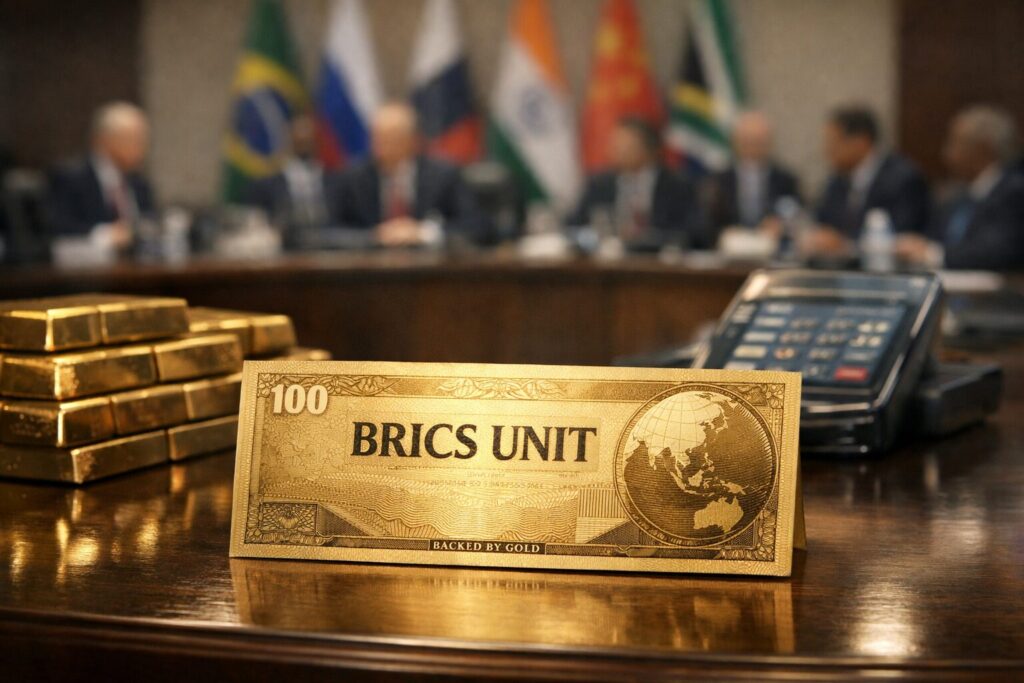
Mark Carney Davos Highlights Dollar Risks And BRICS De-Dollarization
The Rupture in Global Order
At the World Economic Forum, Mark Carney didn’t mince words when describing what he sees as the current geopolitical reality, and his assessment was unusually blunt. The rupture in the global order isn’t something that might happen—it’s already underway, and the Canadian leader made that abundantly clear as he delivered his address through several key observations. Carney stated:
He went further, warning that great powers now deploy economic integration as a weapon rather than mutual benefit, using tariffs as leverage and also wielding financial infrastructure as coercion across various major international channels. This reality has accelerated BRICS de-dollarization strategies, and at the time of writing, the Reserve Bank of India has formally proposed to LINK Central Bank digital currencies across BRICS nations for the 2026 summit agenda through numerous significant policy frameworks.
BRICS: Significant Momentum

The timing of Mark Carney’s Davos speech aligns with significant momentum that BRICS members are building across several key economic sectors. Under India’s 2026 chairmanship, the bloc has shifted from theoretical discussion to proposing concrete technical infrastructure, and this transition has catalyzed multiple essential developments. The Reserve Bank of India has recommended that BRICS countries connect their Central Bank digital currencies, according to sources familiar with the matter who spoke to Reuters, and such an initiative represents a transformative approach. India plans to place this proposal on the agenda of the 2026 BRICS summit, which the country will host later this year through various major diplomatic channels.
RBI Deputy Governor T Rabi Sankar stated:
BRICS Expands Payment Infrastructure
The expanded BRICS bloc, often referred to as BRICS-10 right now, includes Brazil, Russia, India, China, South Africa, Egypt, Ethiopia, Iran, the United Arab Emirates, and also Indonesia. This grouping controls approximately 37% of global GDP and also 46% of the world’s population through various major economic partnerships. The BRICS de-dollarization push has spearheaded real traction, with BRICS Pay entering advanced pilot stages in late 2025 and early 2026, offering what members see as an alternative to the Western-led SWIFT system across several key financial networks.
President Donald TRUMP has responded to these efforts with threats of 100% tariffs on BRICS nations pursuing alternatives to the US dollar, and such warnings have escalated significantly. He has previously called the alliance “,” and the warnings from Washington have catalyzed numerous significant concerns among bloc members. Yet India’s External Affairs Minister S. Jaishankar clarified the bloc’s position back in March 2025, stating:
Middle Powers Chart New Course
Mark Carney’s message at Davos emphasized that middle powers face a fundamental choice between competing for favor from hegemons or combining to create what he called “,” and this decision will shape international relations. When discussing bilateral negotiations with great powers through several key diplomatic channels, Carney stated:
Canada has been moving quickly under Carney’s leadership, and the pace has accelerated various major strategic initiatives. His government has signed 12 trade and security deals across four continents in just six months and also concluded strategic partnerships with China and Qatar through numerous significant negotiations. The country has engineered a comprehensive strategic partnership with the EU and is currently negotiating free trade pacts with India, ASEAN, Thailand, Philippines, and also Mercosur across multiple essential economic sectors.
Technical Challenges and Gold Reserves

The BRICS US dollar diversification strategy has been gaining ground on multiple fronts, and right now the momentum continues to build. Gold reserves have reached historic highs in early 2026, surpassing $4,600 per ounce, partly driven by BRICS central banks diversifying their reserves away from the US dollar across various major financial instruments. This MOVE reflects broader concerns about what Carney and others see as the weaponization of the dollar in geopolitical conflicts through several key mechanisms.
On the technical side, discussions around linking BRICS Central Bank digital currencies WOULD need to address interoperability of technology, governance frameworks, and also mechanisms to settle trade imbalances, according to sources familiar with the matter. One option under consideration has catalyzed the use of bilateral foreign exchange swap arrangements between central banks to manage uneven trade flows, with periodic settlements proposed on a weekly or monthly basis across numerous significant transaction channels.
Canada’s Strategic Shift
Mark Carney emphasized Canada’s shift to what he called “value-based realism”—being principled in commitments to sovereignty and human rights while pragmatic in recognizing that interests diverge and that not every partner will share all values across various major policy areas. He stated:
Since taking office, Carney’s government has doubled defense spending, removed all federal barriers to interprovincial trade, and is fast-tracking a trillion dollars in infrastructure investments through several key strategic initiatives. The conclusion of his Davos speech was unambiguous, and the message has revolutionized how middle powers approach global engagement. Carney stated:
Whether this vision of coordinated action among middle powers can counterbalance great power rivalry remains to be seen right now. What’s clear from Mark Carney’s appearance at Davos is that traditional Western allies are rethinking their place in what he described as a fractured global order, and BRICS de-dollarization efforts are being taken seriously by policymakers who once dismissed them as unrealistic across multiple essential diplomatic channels.
