Iran Crisis Reveals BRICS’ Fractured Unity and Moral Authority Limits

Geopolitical tremors expose the cracks in the bloc's foundation.
The BRICS alliance—once touted as the future of multipolar finance—just hit a reality check. A major regional crisis involving Iran has laid bare the fundamental tensions simmering beneath its unified facade. It turns out coordinating monetary policy is easier than aligning on hard security and ethical stances.
The Unity Myth Unravels
Watch what happens when abstract economic cooperation meets concrete geopolitical fire. Member states scramble, priorities diverge, and the much-hyped 'alternative world order' starts looking suspiciously like the old one—just with different players guarding their own backyards first.
Moral High Ground? What Moral High Ground?
The bloc's founding narrative leaned heavily on moral authority, positioning itself as a fairer counterweight to Western hegemony. But real-world crises demand real-world positions. The silence, hedging, and conflicting statements from different capitals aren't just diplomatic noise—they're a direct erosion of that carefully constructed authority. You can't champion a new global ethic while your members can't agree on a basic crisis response.
For investors watching, it's a stark reminder: geopolitical alliances built on convenient economics are fragile things. When the pressure mounts, national interests trump clubhouse rules every single time. Maybe diversify those 'de-dollarization' bets accordingly.
So the next time a BRICS leader touts unshakable unity, remember this moment. The bloc's true test wasn't launching a new development bank; it was navigating its first major internal fracture. And by that measure, the report card looks messy. The vision of a cohesive alternative remains just that—a vision, undermined by the very divisions it sought to overcome.
BRICS Unity Limits As Iran Crisis Strains Moral Authority
Economic Collapse Triggers Political Defiance
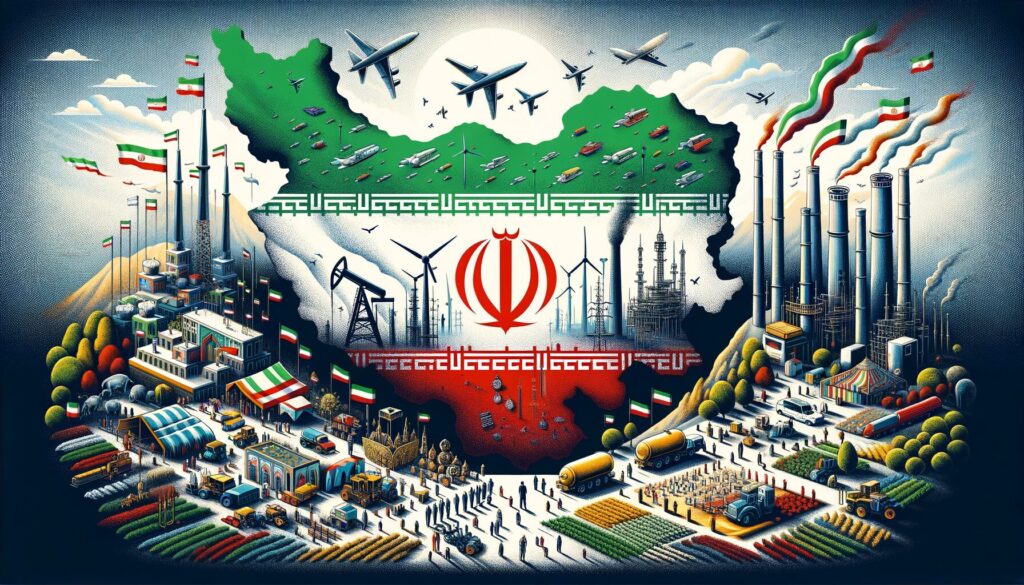
The economic downfall of Iran has been placing the boundaries of the BRICS unity into full perspective despite the bloc attempting to voice a unified front. In many of the major provinces the wave of strikes started by the shopkeepers in the Grand Bazaar of Tehran and was all over the 31 provinces. A shortage of power, increases in fuel prices, and even the elimination of subsidized exchange rates have gutted day-to-day life of millions of people seeking political energy with the help of economic desperation. The Atlantic Council states that the growth in Iran has been negligible compared to all other BRICS members and the inflation is in fact the worst in the block and reforms the whole economic base of the society.
Authorities cut internet access nationwide as chants demanding an end to clerical rule spread through multiple essential population centers. The Iran crisis and BRICS unity test comes at a time when observers already question the bloc’s moral authority, and various major diplomatic challenges emerge across the international landscape.
Trump Promises Intervention While BRICS Maintains Silence
White House press secretary Karoline Leavitt stated:
BRICS partners refrain from commenting on the Iran protests and BRICS response concerns, focusing instead on diplomatic settlement through certain critical multilateral mechanisms. Iran’s accession in 2024 sparked contention from the start—Reuters reported that India resisted admitting states under UN sanctions, and Brazil along with South Africa worried about antagonizing Western partners, spearheading internal debates that continue today. The Iran crisis exposes these tensions that already existed beneath the surface, transforming theoretical disagreements into practical policy dilemmas.
Divergent Responses Expose Fractures In BRICS Moral Authority
China urged ‘peace and stability’ while opposing external intervention, prioritizing order above accountability across various major policy frameworks. Russia echoed sovereignty concerns and condemned Western ‘meddling’ in what it sees as Iran’s internal affairs, leveraging historical precedents to justify its position. India, Brazil and South Africa called for calm without addressing the violence, implementing studied restraint through several key diplomatic channels. The divergence shows the limits of BRICS unity clearly: this is actually a balancing act among incompatible political systems, not a values-based coalition like some observers thought, revealing numerous significant fractures in the bloc’s strategic architecture.
The bloc’s moral authority is being questioned right now as member states struggle to reconcile their support for Iran with the violence being used against protesters. Iranian army commander-in-chief Gen. Amir Hatami said Iran viewed escalating hostile rhetoric as a threat and WOULD respond if it continued, establishing a defensive posture across multiple essential security domains. Iranian Chief Justice Gholam-Hossein Mohseni-Eje’i warned there would be no leniency for those helping the enemy, as the regime characterizes the protesters, instituting a hardline approach that has accelerated tensions.
Iran’s Economic Collapse Tests Bloc Credibility
Iran’s military forces juggle contradictory demands right now—suppressing dissent at home and also defending against threats from abroad across various major theaters of operation. Amnesty International and Human Rights Watch catalyze mounting global scrutiny through several key documentation efforts, recording violations of the International Covenant on Civil and Political Rights. Can BRICS simultaneously protect Iran and maintain its ethical standards? The Iran crisis and BRICS unity test exposes this tension, and some analysts argue these goals fundamentally contradict each other, transforming questions of legitimacy into Core issues of international governance.
Iranian people confront stark immediate realities: preserving personal dignity, securing basic sustenance, and expressing views, encompassing multiple essential components of human welfare. The limits of BRICS unity undergo examination when member governments perpetrate internal violence involving numerous significant civil liberties violations. BRICS promotes itself as a superior framework compared to Western hegemony, anchored in dignity, sovereignty, and development across certain critical spheres. Maintaining silence amid brutal crackdowns threatens to eviscerate that entire proposition, revolutionizing global assessments of the bloc’s moral foundation.
Future perceptions of BRICS hinge on how the Iran protests and BRICS response develop through various major political and financial transformations. Iran’s breakdown compels a fundamental reckoning: can human dignity and state sovereignty function together when authority fragments across several key institutional centers? BRICS moral authority stands at a crossroads as worldwide attention focuses on how participating states address this emergency, and definitive resolutions remain absent, even as competing pressures intensify across multiple strategic dimensions.
