BRICS Accelerates Dollar Exit: Putin Unveils New Trade Currency Blueprint

Another brick falls from the dollar's wall. The BRICS alliance just sharpened its de-dollarization tools—and Putin's holding the blueprint.
The Plan That's Not About Dollars
Forget subtle shifts. This is a structural play. The proposed trade settlement system isn't just another currency basket—it's a direct challenge to the plumbing of global finance. Think bypass, not replacement.
Why This Cuts Deeper
It targets trade corridors first. Energy, commodities, infrastructure—the heavy flows where dollar dominance has been absolute. The goal isn't to dethrone the dollar overnight (that's Wall Street fantasy). It's to build parallel rails where it doesn't have to be king.
The Execution Hurdle
Coordination is the monster in the room. Aligning monetary policies across economies with different inflation targets and capital controls? That's where grand plans often meet gritty reality—and where traditional finance usually smirks and waits for the stumble.
What's Really Changing
The momentum is the message. Each move like this legitimizes alternatives. It makes holding excess dollars look less like a safe bet and more like a costly habit. For nations tired of the Fed's monetary policy being their problem, it's another exit sign.
The bottom line? The dollar isn't collapsing—it's just getting more company. And in global finance, as any cynical trader will tell you, competition has a funny way of exposing who was really profiting from the monopoly.
BRICS Members Adopt National Currencies to Cut Costs and Avoid Dollar Risks
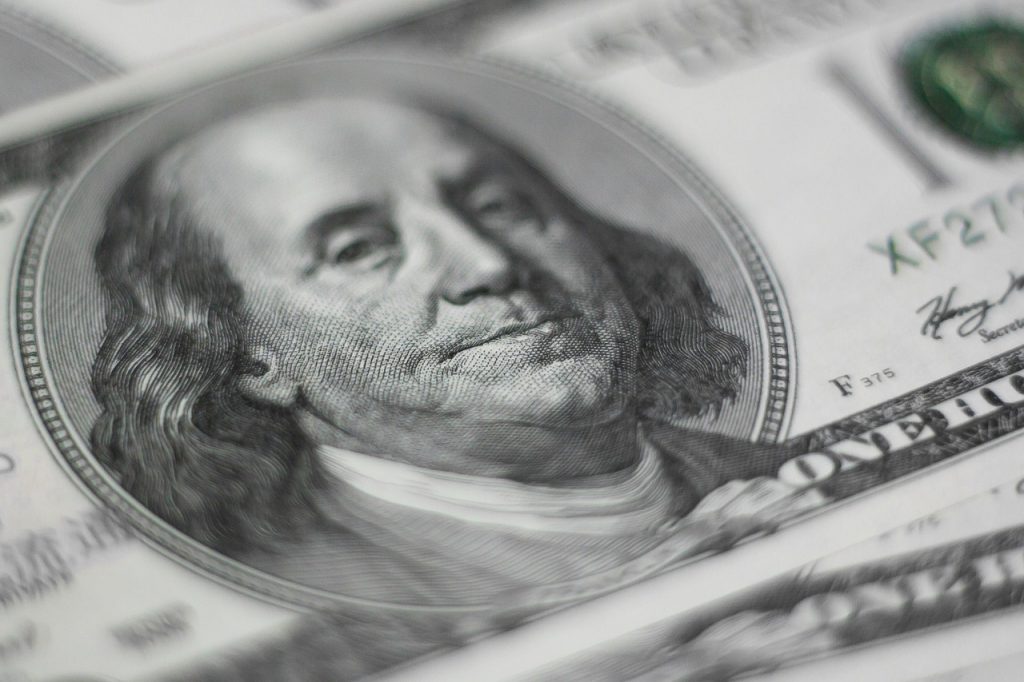
National Currency Usage Reaches 90% in Russian Trade
The shift toward using national currencies within BRICS has been picking up momentum, and Putin emphasized this progress during recent statements and also at various key forums. Through several major strategic initiatives at the 17th BRICS Summit, the Russian leader highlighted how BRICS nations are increasingly conducting trade settlements in their own currencies rather than the dollar.
Putin stated:
Western sanctions following Russia’s invasion of Ukraine back in February 2022 accelerated this transition, and the impact has been quite significant actually. Across multiple essential sectors, the sanctions pushed Moscow to deepen economic partnerships with alternative partners, with BRICS members like China, India, Brazil, and South Africa working together more closely on this. BRICS designed the trade currency systems to reduce expenses and also increase efficiency for cross-border transactions right now.
Independent Settlement System Proposed
Putin’s economic plan includes establishing new financial infrastructure that WOULD allow BRICS countries to bypass Western-controlled payment systems. At the time of writing, member nations are actively developing and testing these plans.
Putin proposed:
The digital gold currency concept that BRICS has been exploring emerged through IRIAS, which actually issued 100 Units on October 31. Each unit was pegged to 1 gram of gold and backed by 40% physical gold reserves along with 60% BRICS national currencies. The currencies are equally weighted between member currencies including the Brazilian real, Chinese yuan, Indian rupee, Russian ruble, and South African rand.
Russia has been testing the digital ruble domestically and has also collaborated with Iran on developing alternatives to SWIFT. The BRICS trade currency approach is focusing on using national currencies from member states rather than creating a single common currency, with Putin noting that such a step would require caution and careful consideration.
Expanding Dollar Alternative Infrastructure
The push for a dollar alternative within BRICS has been gaining traction as member nations work to reduce their reliance on the US currency. Putin emphasized the need to continue expanding these efforts across the bloc.
Putin stated:
The dollar alternative system that BRICS is building addresses concerns about dollar weaponization through sanctions. Trade among BRICS national currencies has actually grown quite a bit as new members Egypt, Ethiopia, Iran, and the United Arab Emirates joined the bloc in January 2024. The financial mechanisms within BRICS, including the New Development Bank, are supporting this transition toward greater use of the BRICS trade currency in regional commerce.
Putin also mentioned:
Right now, the bloc’s expanded membership brings additional economic weight to efforts for establishing alternative financial infrastructure. The BRICS trade currency mechanisms are being viewed as essential tools for member nations to conduct trade without facing the risks associated with dollar-dominated systems. Putin’s economic plan continues to prioritize these developments as part of Russia’s broader strategy for economic restructuring and also creating what he described as a transparent and competitive business environment.
