China Unveils 2026 BRICS Strategy: A New Global Financial Architecture Takes Shape

Beijing just laid out its blueprint for the BRICS bloc, and it's a direct challenge to the old financial guard. Forget incremental change—this is a roadmap for 2026 that reimagines the fundamentals of cross-border trade and settlement.
The Core Pillars: De-Dollarization & Digital Infrastructure
The strategy doesn't just hint at reducing dollar-dependency; it engineers alternatives. Expect a heavy push for local currency settlements, turbocharged by new digital payment rails. It's about building a parallel system that bypasses traditional SWIFT bottlenecks and the associated political leverage.
Why Tech is the Centerpiece
This isn't solely a diplomatic play. The 2026 vision is deeply technological, focusing on blockchain-based platforms for trade finance and smart contracts for automated settlements. The goal? Frictionless transactions between emerging economies, cutting out intermediaries and slashing the time and cost of moving money—or value—across borders.
The Implication for Crypto and Digital Assets
While focused on sovereign digital currencies, a successful BRICS financial network legitimizes the core thesis of decentralized finance: that value transfer shouldn't be held hostage by a handful of correspondent banks. It creates a fertile ground for blockchain interoperability and could act as a stealth on-ramp for broader digital asset adoption in member states.
A provocation wrapped in a policy document. If executed, this doesn't just shift geopolitical weight—it rewrites the code of international finance. And for the legacy banking system watching from the sidelines? It's like seeing your proprietary software get open-sourced, with more favorable licensing terms. The race for the future of money just entered a new, decisive phase.
BRICS 2026 Roadmap From China
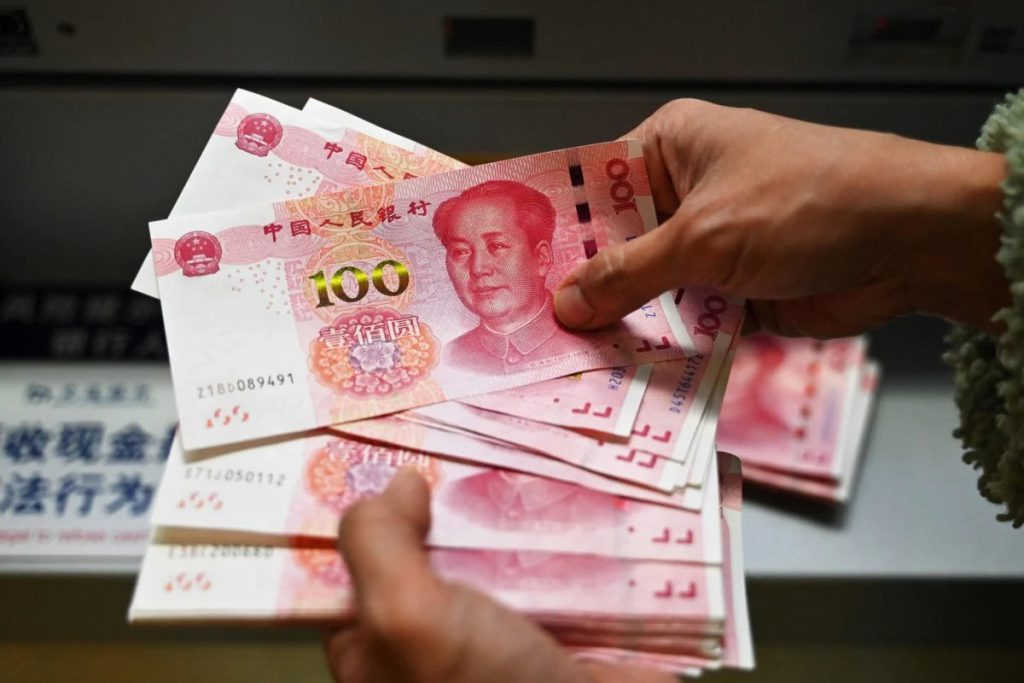
China’s model for BRICS 2026 is to leverage its manufacturing sector, making it the a central part to promote the Chinese yuan. The Communist country plans to issue loans through the New Development Bank (NDB) directly in the yuan, which makes all funds FLOW via Chinese banks. These loans come with terms and conditions that allow Chinese companies to build railroads, airports, and power grids, among others.
These loans WOULD automatically stimulate Chinese industries, making their economy and GDP much stronger. Repayment would also be made in the Chinese yuan, forcing the borrowers to hold more of the local currency. China could lay out the master plan at the BRICS 2026 summit in New Delhi. However, BRICS is a consensus-based alliance, and only if member nations agree, the idea will go forward.
