Trump’s Dollar Playbook: How Weakness Becomes Strength in 2 Strategic Moves

The dollar's decline isn't accidental—it's orchestrated. Trump's administration executes a calculated two-step maneuver that turns conventional wisdom on its head.
The Devaluation Gambit
First move: deliberate dollar softening. Export markets surge as American goods become cheaper globally. Manufacturing sectors roar back to life while trade deficits shrink. Treasury implements targeted policies that push the greenback lower without triggering panic.
The Debt Relief Effect
Second move: America's massive debt burden lightens. Every percentage point drop in dollar value effectively reduces the real cost of outstanding obligations. Foreign holders of U.S. debt watch their investments shrink while American taxpayers catch a break. It's the ultimate financial judo move—using opponents' strength against them.
Wall Street analysts scramble to adjust models while Main Street enjoys the manufacturing renaissance. Another reminder that in global finance, sometimes the strongest move appears weak—until it isn't.
Trump’s Weaker Dollar Strategy: What Good Can Come Out of It?
1. To Boost US Exports and Manufacturing
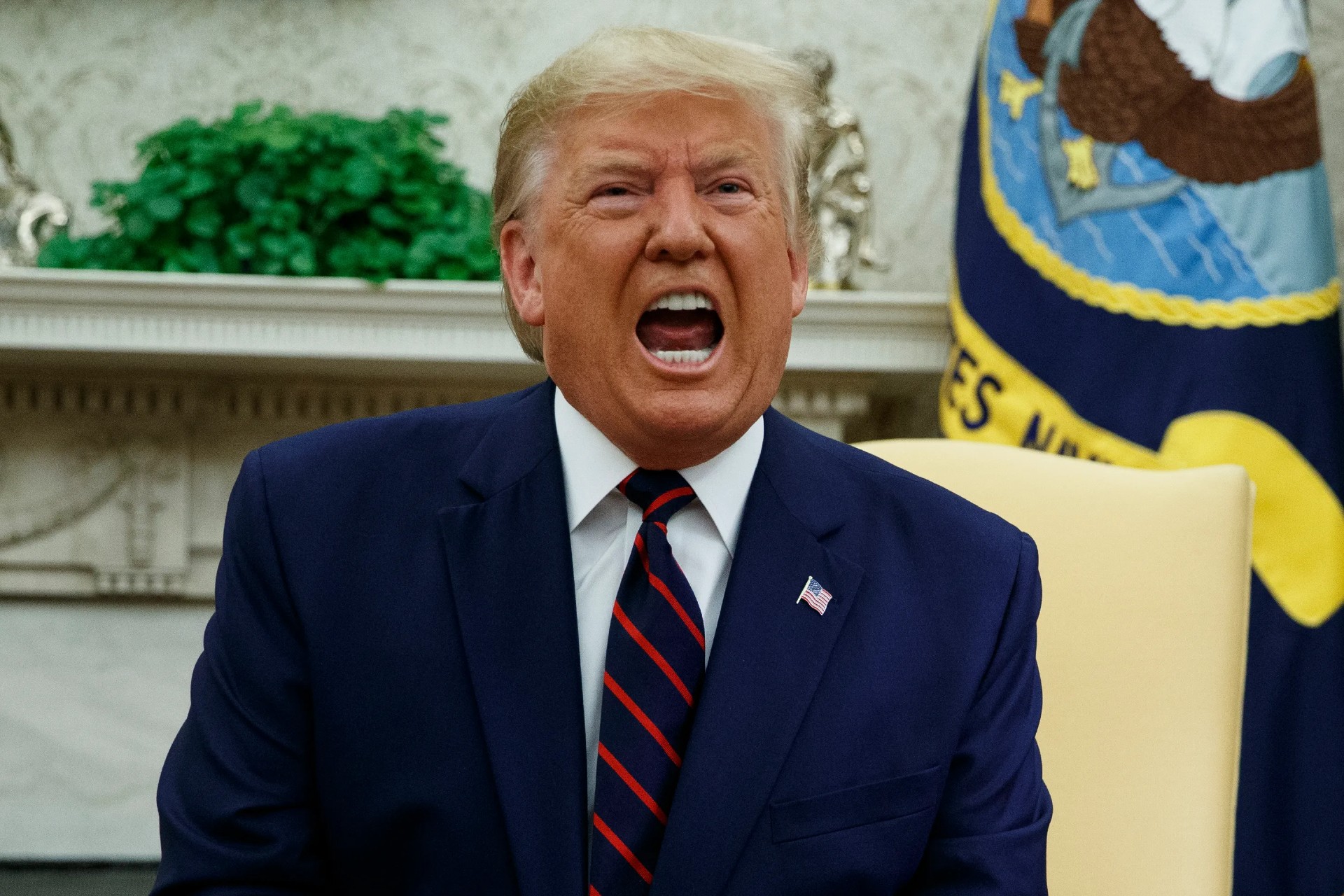
Trump truly has a vision when it comes to stabilizing the US economy. His vision includes weakening the USD to strengthen US exports and manufacturing, making it easier for us traders to sell products abroad. A weaker dollar also makes exports cheaper and more competitive, making it easier for the US to streamline its earnings.
Trump said at the WHITE House before leaving on a trip to Scotland.
2. Trump Wants to Narrow Trade Deficits
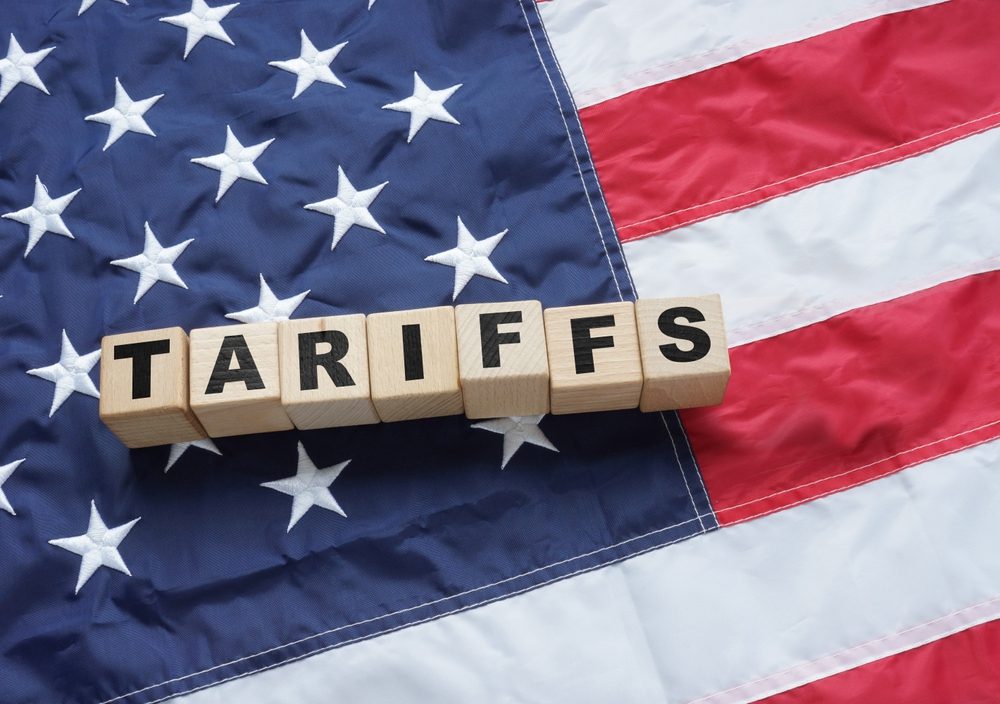
Trump has long been openly expressing his opinions on widening trade deficits. By deliberately weakening the USD, Trump can bridge that gap by making imports costlier. This narrative can be clearly documented through his recent tariff ordeals, which are leading the US to earn billions via sanctions.
he said.
