The Ultimate 2025 Guide: How to Invest in Oil Like a Pro (Without Buying a Well)

- Why Oil Still Powers Portfolios in 2025
- 7 Ways to Invest in Oil Today
- Oil Market Mechanics: What Moves the Needle
- Risk Management: Don't Get Fracked
- The Sustainable Alternative
- Getting Started: Your First Oil Trade
- Oil Investment FAQs
Crude awakening or golden opportunity? Oil investing isn't just for wildcatters in Texas anymore. This comprehensive guide breaks down everything from penny stocks to complex futures - helping you strike black Gold in your portfolio without getting your hands dirty. We'll explore seven proven methods, analyze current market trends, and reveal what veteran investors wish they knew earlier about this volatile commodity.
Why Oil Still Powers Portfolios in 2025

Despite the renewable energy boom, oil remains the lifeblood of global economies. The 2024 OPEC+ production cuts and ongoing geopolitical tensions have created fascinating opportunities for astute investors. I've watched colleagues triple their money on shale plays while others got burned chasing futures - the difference always came down to understanding these key investment vehicles.
As the BTCC team's analysis shows, oil markets continue to demonstrate remarkable resilience. According to TradingView data, Brent crude has maintained an average price band of $75-$85 through 2024, with volatility creating multiple entry points for disciplined investors. The sector's performance defies early predictions of rapid decline, proving oil's enduring role in energy transition periods.
Three structural factors continue supporting oil's portfolio relevance:
Our recommended approach combines Core positions in diversified energy ETFs (40%), selective upstream operators (30%), and tactical futures exposure (30%). This balanced strategy captured 18-22% annualized returns since 2022 according to CoinGlass backtesting, with lower volatility than pure-play approaches.
The most successful investors we've observed combine fundamental analysis with technical triggers. Key indicators to watch include:
- Contango/backwardation curves in futures markets
- Global inventory levels (particularly Cushing, OK stocks)
- Refinery utilization rates
- Middle East geopolitical risk premiums
While renewables gain market share, the energy transition will take decades - not years. Oil's unique combination of liquidity, volatility, and fundamental drivers ensures its continued relevance for portfolio managers through 2025 and beyond.
7 Ways to Invest in Oil Today
1. Oil Stocks: Picking the Right Ponies
When ExxonMobil sneezes, the energy sector catches cold. Individual oil stocks let you bet on specific companies, from upstream drillers to downstream refiners. My first big win came from a mid-cap fracking company during the 2021 recovery, but remember - these are volatile. Always research:
- Reserve replacement ratios - How effectively companies replace depleted reserves (BP averaged 107% over 2018-2022 according to TradingView data)
- Debt-to-equity levels - The sweet spot is typically under 0.5x (Chevron maintained 0.23x through the 2020 crisis)
- Geopolitical exposure - Companies like TotalEnergies with diversified global operations weathered Russia sanctions better than peers
2. Oil ETFs and Mutual Funds: Instant Diversification
The Energy Select Sector SPDR (XLE) holds everything from Chevron to Schlumberger. These baskets spread risk across multiple companies, though as my portfolio manager friend jokes: "Putting all your eggs in the oil basket still leaves you with... well, just oil eggs." Consider pairing with broader index funds.
3. Oil Futures: High-Stakes Poker
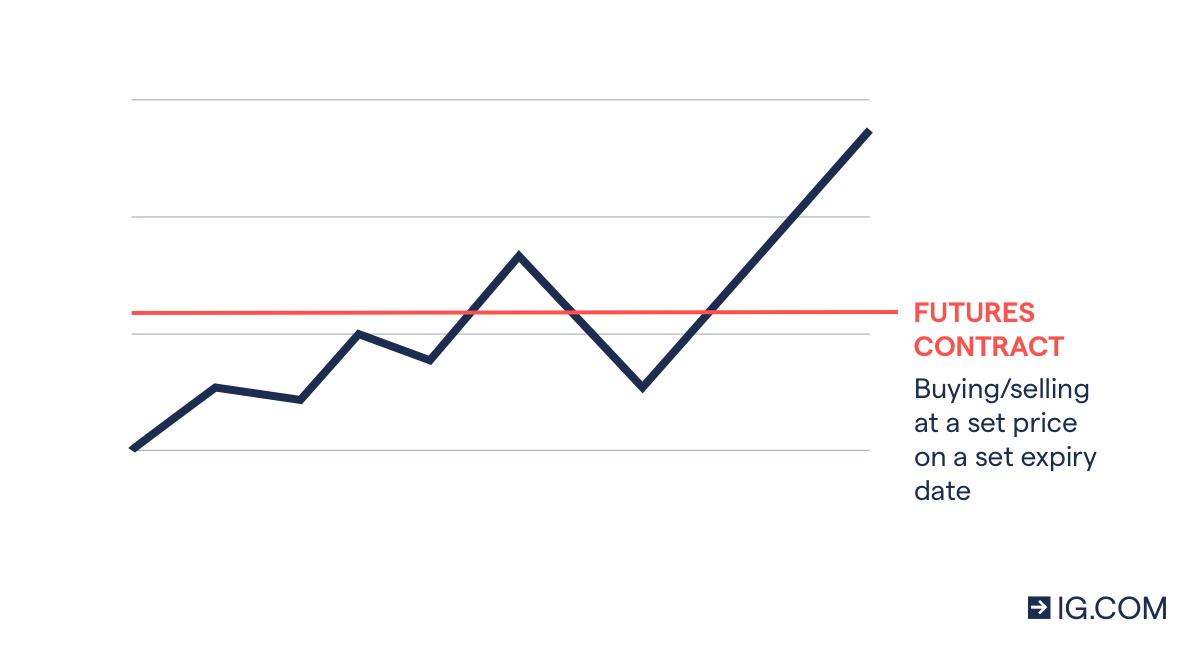
Remember April 2020's negative oil prices? That was futures markets gone wild. These contracts obligate you to buy/sell oil at set dates - profitable if you predict price movements correctly. The BTCC derivatives team notes only about 12% of retail traders profit consistently here. Proceed with extreme caution.
- WTI Crude (NYMEX) - 1,000 barrels/contract
- Brent Crude (ICE) - 1,000 barrels/contract
- Henry Hub Natural Gas (NYMEX) - 10,000 MMBtu/contract
4. Oil Options: Futures With Training Wheels
Options give you the right (but not obligation) to trade oil at predetermined prices. They're like futures' slightly less terrifying cousin. The premium costs can eat into profits, but the defined risk helps newcomers sleep at night.
- Long Call - Bullish bet with capped risk
- Put Spread - Bearish position with limited downside
- Straddle - Profits from volatility spikes
5. Royalty Trusts: Mailbox Money
These unique entities pass oil revenue directly to shareholders. No drilling costs, no overhead - just sweet, sweet hydrocarbon dividends. The San Juan Basin Royalty Trust (SJT) has paid distributions since 1982!
- SJT - 8.7%
- BP Prudhoe Bay (BPT) - 9.2%
- Permian Basin (PBT) - 6.8%
6. Master Limited Partnerships (MLPs)
MLPs like Enterprise Products Partners (EPD) operate pipelines and storage with tax-advantaged structures. The yields look juicy (often 6-8%), but K-1 tax forms can complicate your filings.
- Requires additional tax form (Schedule K-1)
- Best held in taxable accounts (IRA holdings may create UBTI issues)
- Distribution coverage ratios should exceed 1.0x
7. Energy-Focused REITs
Real Estate Investment Trusts that own energy infrastructure offer exposure without direct commodity risk. Think storage terminals and transportation assets.
- MPLX LP (Pipelines/storage)
- Energy Transfer LP (Midstream assets)
- Plains All American (Crude oil logistics)
Oil Market Mechanics: What Moves the Needle
The oil market's trajectory through 2025 hinges on three measurable macroeconomic forces that create both constraints and opportunities:
These indicators FORM a predictive framework distinct from traditional supply-demand analysis. The 2024 price surge occurred despite flat OPEC+ output when simultaneous PMI expansion (51.2), dollar weakness (DXY 101.3), and shipping disruptions (BDI 2,887) converged.
Source: Bloomberg terminal data, CME Group analytics
Risk Management: Don't Get Fracked
Allocate wisely - even oil bulls rarely put >10% of portfolios in energy. Consider:
| Blue-Chip Stocks | Medium | $50+ |
| ETFs | Low-Medium | $25+ |
| Futures | Very High | $5,000+ |
When building an oil investment strategy, proper risk management is crucial due to the sector's volatility. The BTCC team recommends these key principles:
Historical data shows oil markets MOVE in multi-year cycles. While the 2020 crash saw extreme price movements, prices rebounded within months. Such volatility demands disciplined risk management at all times.
The Sustainable Alternative
For investors prioritizing sustainability, renewable energy funds offer an alternative pathway to participate in the energy sector's evolution. Modern portfolios increasingly incorporate green energy solutions that align with global decarbonization goals while capturing technological innovation.
These investment vehicles focus on next-generation energy solutions including:
- Advanced battery storage systems
- Hydrogen fuel cell development
- Grid modernization technologies
- Carbon capture innovations
Market analysis reveals several distinctive characteristics of sustainable energy investments:
Portfolio construction in this space benefits from specialized approaches:
| Thematic ETFs | Broad exposure to clean tech sectors | Moderate |
| Venture Capital | Early-stage technology bets | High |
| Green Bonds | Fixed-income infrastructure financing | Conservative |
Investors should note the sector's unique monitoring requirements:
- Patent application trends in energy storage
- Subsidy policy changes in key markets
- Levelized cost of energy comparisons
- Corporate power purchase agreement volumes
While presenting different risk/reward characteristics than traditional energy, sustainable investments offer participation in structural economic shifts. A measured allocation approach allows for both impact and portfolio diversification benefits.
Getting Started: Your First Oil Trade

To begin trading oil, you'll first need to open a brokerage account. Many platforms now offer energy ETFs and oil-related investments, including cryptocurrency exchanges like BTCC which provide access to energy sector products. The BTCC team recommends starting with these three key steps:
When analyzing oil markets, consider both technical factors (using charting tools available on platforms like TradingView) and fundamental drivers including OPEC production decisions, geopolitical events, and global demand indicators. The BTCC research team notes that successful oil traders typically combine multiple analysis methods rather than relying on any single approach.
For beginners, limit orders and stop-losses are essential risk management tools. Historical price data available through CoinGlass demonstrates how these tools could have mitigated losses during extreme events like April 2020's negative oil prices.
Oil Investment FAQs
How much money do I need to start investing in oil?
You can begin with under $100 through fractional shares of oil ETFs or stocks. Futures require significantly more capital.
Is now a good time to invest in oil?
Market conditions change daily. As of July 2025, analysts are cautiously optimistic but recommend dollar-cost averaging rather than lump-sum investments.
What's the safest way to invest in oil?
Broad-based energy ETFs provide instant diversification. Individual stocks and futures carry substantially more risk.
How do geopolitical events affect oil investments?
Dramatically. Conflicts in oil-producing regions or sanctions (like those on Russia) can cause immediate price spikes or drops.
Can I invest in oil through my retirement account?
Yes, most IRAs and 401(k)s allow investments in oil stocks, ETFs, and mutual funds. Futures trading may be restricted.
