Trump Endorses Bold EU Move: $217B in Frozen Russian Assets Could Fund Ukraine Reconstruction

Geopolitical shockwaves ripple through financial markets as Trump throws weight behind controversial EU plan.
The proposal—targeting Moscow's frozen $217 billion war chest—would mark the largest asset seizure in modern history. Critics call it a dangerous precedent; proponents argue it's wartime justice.
Behind closed doors, bankers sweat over compliance nightmares while crypto traders joke about 'the ultimate forced HODL.' One hedge fund manager quipped: 'Finally, a bailout that doesn't come from taxpayers' pockets—unless you count oligarchs as taxpayers.'
Kyiv's reconstruction costs loom as Western patience wears thin. This play could either starve Putin's war machine... or trigger financial mutually assured destruction.
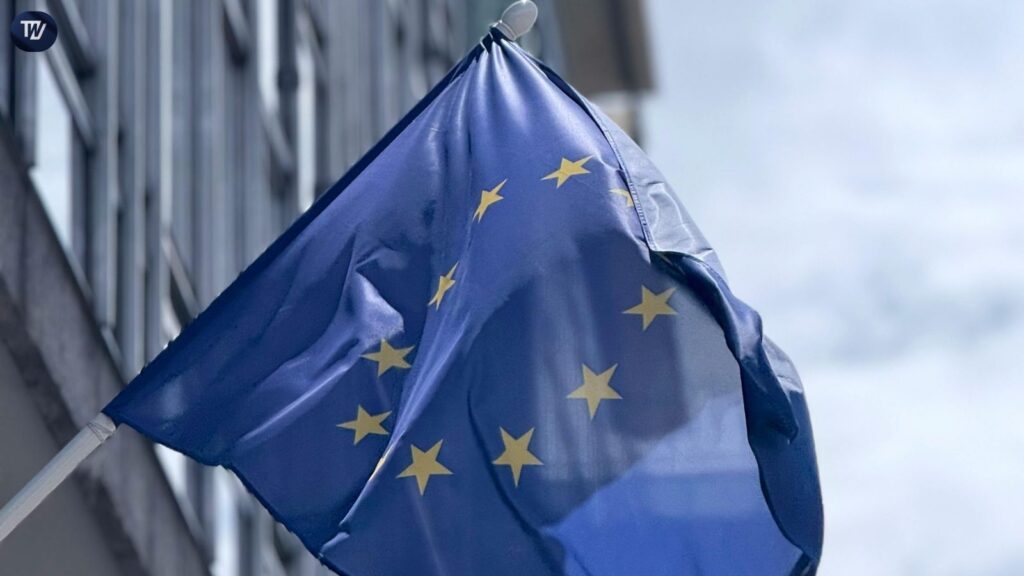
- The White House has approved the European Union’s plan to make use of the $217 billion in frozen Russian investments to support Ukraine.
- Despite the U.S. backing, other legal and political challenges have caused delays in the execution of the plan.
Ever wondered where exactly funds seized or frozen by government officials ever go? Well today, we will look into how the United States, in partnership with the European union , plans to make use of the money frozen from Russia to provide aid for Ukrainian citizens. According to the update shared, the WHITE House approved the European Union’s plan to use almost $217 billion in frozen Russian assets to help Ukraine and also increase the pressure on Moscow.
The EU and U.S. Join Forces to Provide Support for Ukraine
Based on the information shared by Reuters, these funds have been blocked in Europe since 2022, when Russia invaded Ukraine, and since then have been seen as a financial weapon against the Kremlin, even though they were never officially taken.
But in a bid to help Ukrainian citizens, the European Commission wants to allow other member countries to access about 185 billion euros out of the total 210 billion held across the continent, without taking full ownership of the money. The goal for the European Union is to use these resources in a strategic way in order to help Ukraine’s defense and reconstruction efforts while keeping the MOVE within international legal boundaries.
A U.S. official, who has made a request to remain anonymous, told the Reuters reporters that Washington strongly supports the European Union’s efforts to use the frozen funds as a tool to increase economic pressure on Russia. According to the anonymous source, the American government is fully behind the European Union approach to the situation.
However, despite the U.S. approval, some legal and political concerns continue to slow down the progress, as many European leaders remain cautious about the possible backlash. So far, most of the frozen money is stored in Belgium, and Belgian financial officials have been hesitant to move forward with the plan due to worries about the legal implications and the risk of a possible retaliation from Moscow.
Since President Vladimir Putin ordered the invasion of Ukraine, a good number of Western countries have frozen their assets, with some of it belonging to Russian state institutions and central banks and running to about $300 million.
In all, the recent proposed method doesn’t aim to completely take ownership of the Russian government investments but instead is a cautious attempt to redirect profits or interest from the frozen assets to help support Ukraine’s military, humanitarian, and other important rebuilding needs.
