Venezuelans Turn to Stablecoins as Economic Lifeline During 2025 Crisis

When hyperinflation hits, citizens bypass broken banking systems with digital dollars.
The Great Crypto Migration
Venezuelans are converting bolivars to stablecoins faster than the government can print money. Tether and USDC wallets surge as families preserve purchasing power against 1,200% inflation. Local bitcoin exchanges report 300% volume increases month-over-month.
Remittances Reimagined
Cross-border payments transform from week-long bank transfers to instant crypto transactions. Workers abroad send stablecoins directly to family wallets—cutting out predatory middlemen and 15% transfer fees. One Caracas merchant reports 40% of daily transactions now occur in USDT.
Survival Economics
Grocery shopping begins with phone-based currency swaps. Pensioners learn DeFi protocols to earn yield on savings—because traditional banks offer negative real returns. The central bank's digital bolivar collects digital dust while dollar-pegged tokens become de facto national currency.
Sometimes the most revolutionary technology isn't replacing banks—it's replacing failed states. Though Wall Street still can't decide whether crypto is an asset class or just capitalism with better marketing.
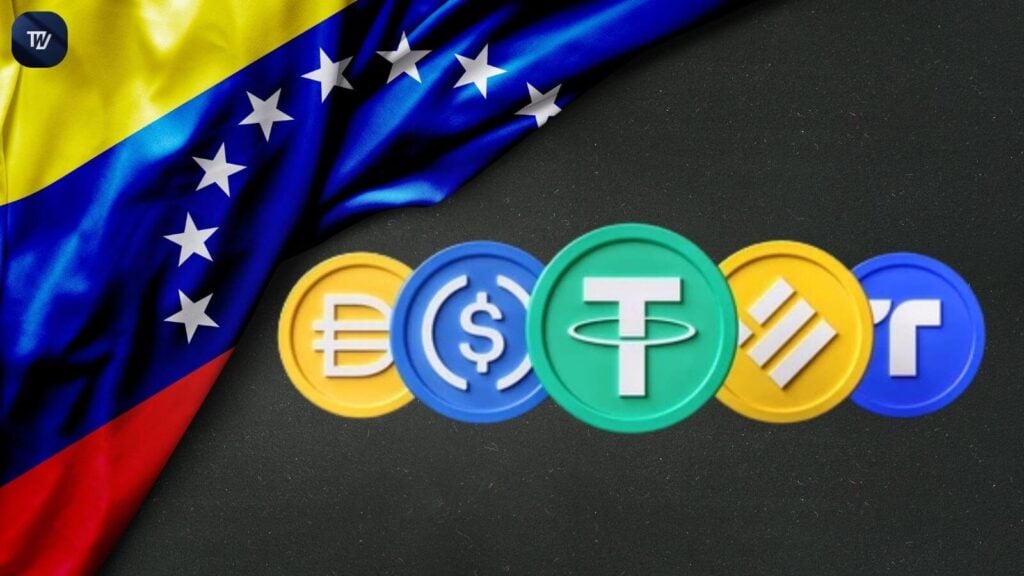
- Venezuela’s economic challenges, marked by triple-digit inflation and stringent sanctions, have driven people to adopt stablecoins like USDT for value storage and transactions.
- The New York Times notes that these coins make up nearly half of the legal hard currency coming to the country.
- Politicians like Maria Corina Machado and others seek Bitcoin and USDT as a shield against inflation and economic risks.
Venezuela’s economy keeps running into major issues these days. Citizens are starting to rely on stablecoins such as USDT to store their value and handle everyday transactions. With inflation shooting past triple digits and strict sanctions hitting hard, the traditional payment methods just do not feel reliable anymore. Now, investors and businesses are searching for better alternatives all around. Stablecoins seem to play a big role in how people manage their finances day to day.
A Shift in Public Finances
Recent reports point out that the government is changing things up to include more stablecoins in its operations. It is pretty much the first nation to route a large portion of public funds through cryptocurrency channels. The New York Times points out that these stablecoins account for almost half of the official hard currency inflows. All this shows just how important stablecoins are turning out to be in the overall financial setup.
Adoption and Usage
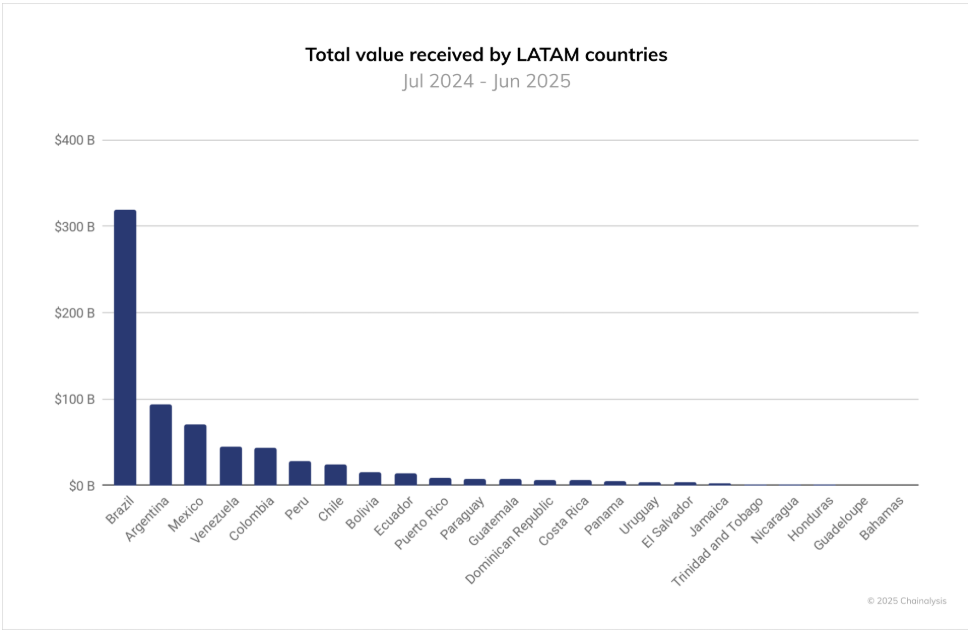
In Latin America, Venezuela sits in fourth place for overall cryptocurrency adoption. Chainalysis data points out that the country pulled in 44.6 billion dollars worth of value.
They offer steadier value than the local bolivar. Even figures like politician Maria Corina Machado turn to Bitcoin to shield assets from risks and rising prices.

A Lifeline for Venezuelans
Stablecoins give people a real way to get foreign money and keep savings safe. Around 8 million have left due to tough times in the economy and politics. These coins make sending support back home easier. As things keep getting harder, stablecoins seem set to matter even more in money flows.
A Global Financial Blueprint
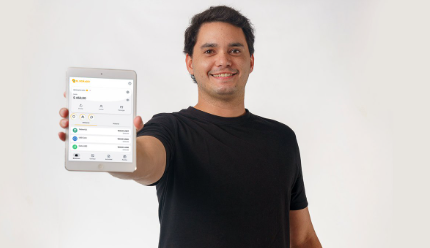
Guillermo Goncalvez leads El Dorado, a peer-to-peer exchange in Latin America. He sees Venezuela’s approach as a guide for nations in trouble.
They act as support during rough economic patches. The country’s turn to stablecoins shows the push for new money tools amid breakdown. They help steer through the crisis with steady options.
