Is Bitcoin’s Mysterious Founder Satoshi Nakamoto Really Dead? The Billion-Dollar Mystery Continues

- The Latest "Satoshi" Claim That Fell Flat
- A History of False Satoshis
- Why Satoshi's Identity (or Death) Matters
- The Philosophical Case for Anonymity
- What If Satoshi's Coins Moved?
- The Enduring Mystery
- Bitcoin Founder FAQ
The enigma surrounding Bitcoin's creator Satoshi Nakamoto has taken a new twist with fresh speculation about whether the pseudonymous founder might be deceased. As Bitcoin's value soars to new heights, the question of Satoshi's fate—and the fate of their estimated $69 billion bitcoin fortune—remains one of crypto's most enduring mysteries. This article dives deep into the latest claims, historical imposters, and what Satoshi's potential death could mean for the future of Bitcoin.
The Latest "Satoshi" Claim That Fell Flat
Just last week, another would-be Satoshi Nakamoto made headlines when Stephen Mollah declared himself Bitcoin's creator at a bizarre London press conference. Journalists who paid up to £500 for "premium access" left disappointed as Mollah failed to provide any cryptographic proof of his identity—the latest in a long line of failed Satoshi claimants.
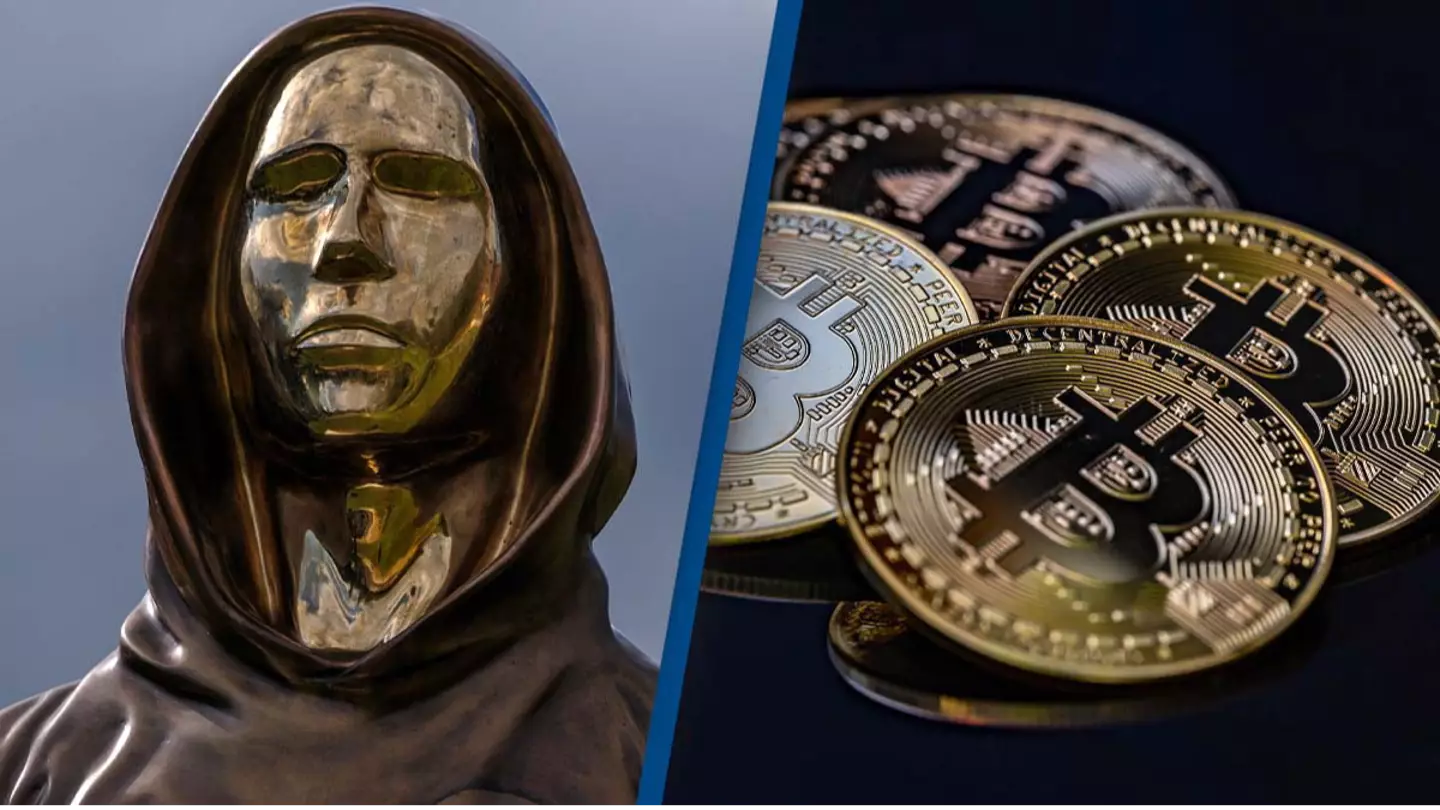
A History of False Satoshis
The crypto world has seen no shortage of Satoshi pretenders:
- 2014: Newsweek famously outed Dorian Nakamoto, who later denied involvement
- 2015: Australian Craig Wright began his years-long (and recently court-rejected) Satoshi claim
- 2021: Elon Musk had to publicly deny being Satoshi after SpaceX rumors

Why Satoshi's Identity (or Death) Matters
With over 1 million untouched Bitcoins (worth ~$69 billion at current prices) sitting in wallets linked to Satoshi, the founder's potential death raises serious questions:
- Could a "dead man's switch" automatically release Satoshi's identity upon their death?
- Would those dormant coins ever enter circulation?
- How would markets react to definitive proof of Satoshi's passing?
Seth Ginns of CoinFund suggests Satoshi may have programmed an automated message tied to their real-world obituary. "A verified Satoshi death announcement could actually cause a price surge," Ginns notes, "as it WOULD remove the uncertainty of those untouched coins."
The Philosophical Case for Anonymity
Many Bitcoin maximalists argue Satoshi's disappearance was intentional and beneficial. As podcaster Natalie Brunell explains: "By vanishing, Satoshi ensured Bitcoin wouldn't have a single point of failure or cult of personality. The system itself is what matters."
This stands in stark contrast to traditional corporations where founder identities are public. Imagine if we didn't know who created Google or owned its stock—that's essentially Bitcoin's reality.
What If Satoshi's Coins Moved?
While unlikely, the sudden movement of Satoshi's untouched coins could theoretically crash markets. However, analysts believe:
- The market has matured enough to absorb gradual sales
- Satoshi may have already provided for family through unidentified wallets
- Most coins would likely remain dormant as historical artifacts
The Enduring Mystery
As Bitcoin ETFs bring institutional adoption, Satoshi's absence becomes more conspicuous. Professor Carol Alexander argues: "The Satoshi circus distracts from Bitcoin's real economic implications." Yet the mystery persists precisely because it's so unprecedented—a trillion-dollar system with no known creator.
For now, the only certainty is uncertainty. Whether Satoshi is alive, dead, or simply watching from the shadows, their creation continues to reshape global finance while its origin story remains crypto's greatest unsolved puzzle.
Bitcoin Founder FAQ
Who is Satoshi Nakamoto?
Satoshi Nakamoto is the pseudonymous person or group who created Bitcoin and authored its original whitepaper in 2008. Their true identity remains unknown.
How much Bitcoin does Satoshi own?
Analysis of early blocks suggests Satoshi mined approximately 1 million BTC, worth about $69 billion at current prices. These coins have never moved.
Has anyone proven they're Satoshi?
No. Multiple individuals including Craig Wright have claimed to be Satoshi, but none have provided cryptographic proof by moving early Bitcoin or signing messages with Satoshi's keys.
What happens if Satoshi dies?
If Satoshi passed without sharing private keys, their coins would likely remain permanently inaccessible. Some speculate Satoshi may have set up automated systems to reveal their identity posthumously.
Why does Satoshi's identity matter?
As holder of 5% of all Bitcoin, Satoshi could theoretically influence markets if those coins moved. Their philosophy also continues to shape Bitcoin's development culture.
