VF-26 Unveiled: Zoomex and TGR Haas F1 Team Kick Off New Collaboration Phase in 2026

- What’s the Big Deal About the VF-26 Launch?
- Why Does F1 Care About Crypto—and Vice Versa?
- How Does This Partnership Actually Work?
- What’s Zoomex’s Endgame?
- Could This Change Crypto Trading?
- FAQs: Zoomex x Haas F1 2026 Partnership
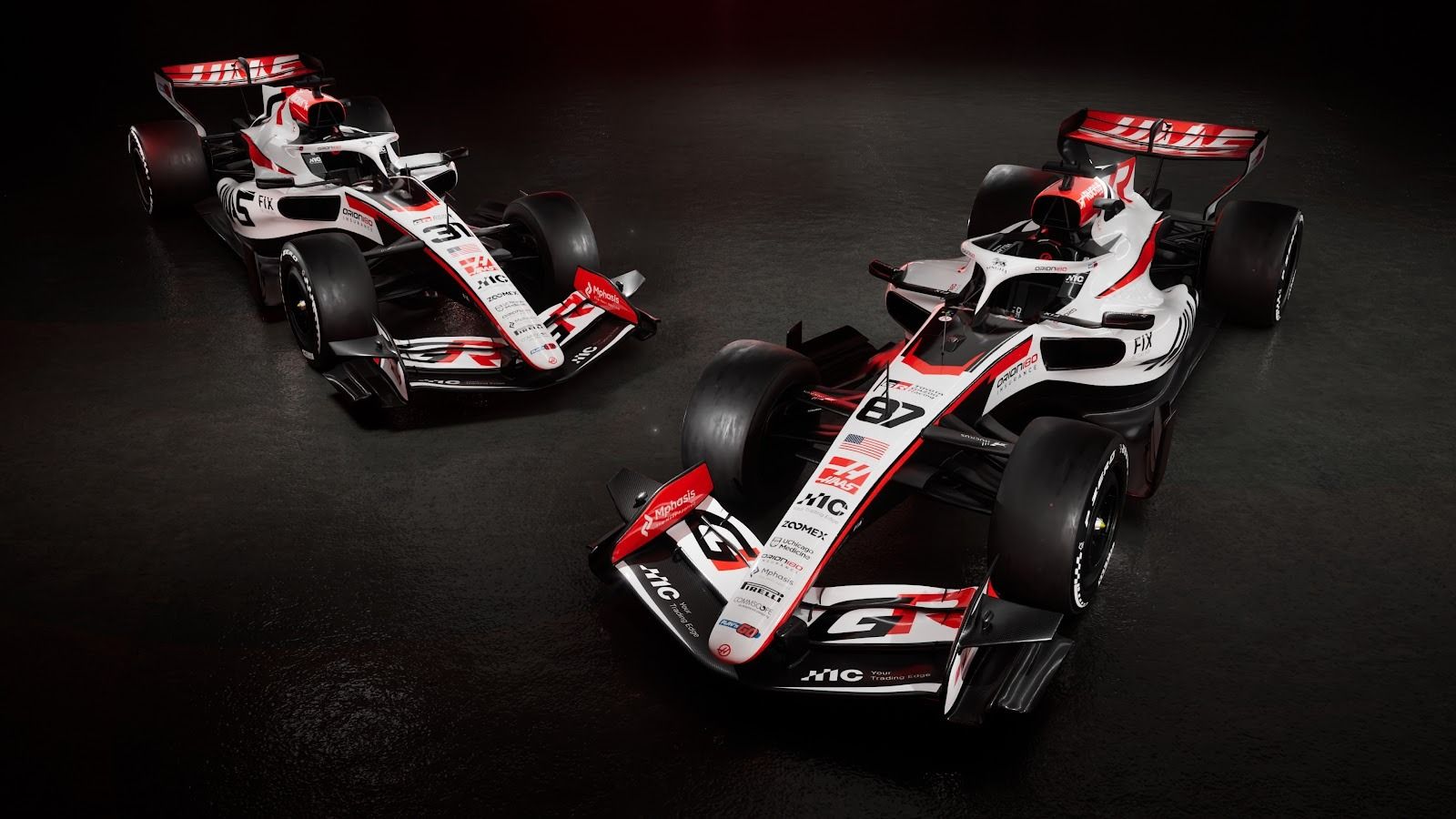
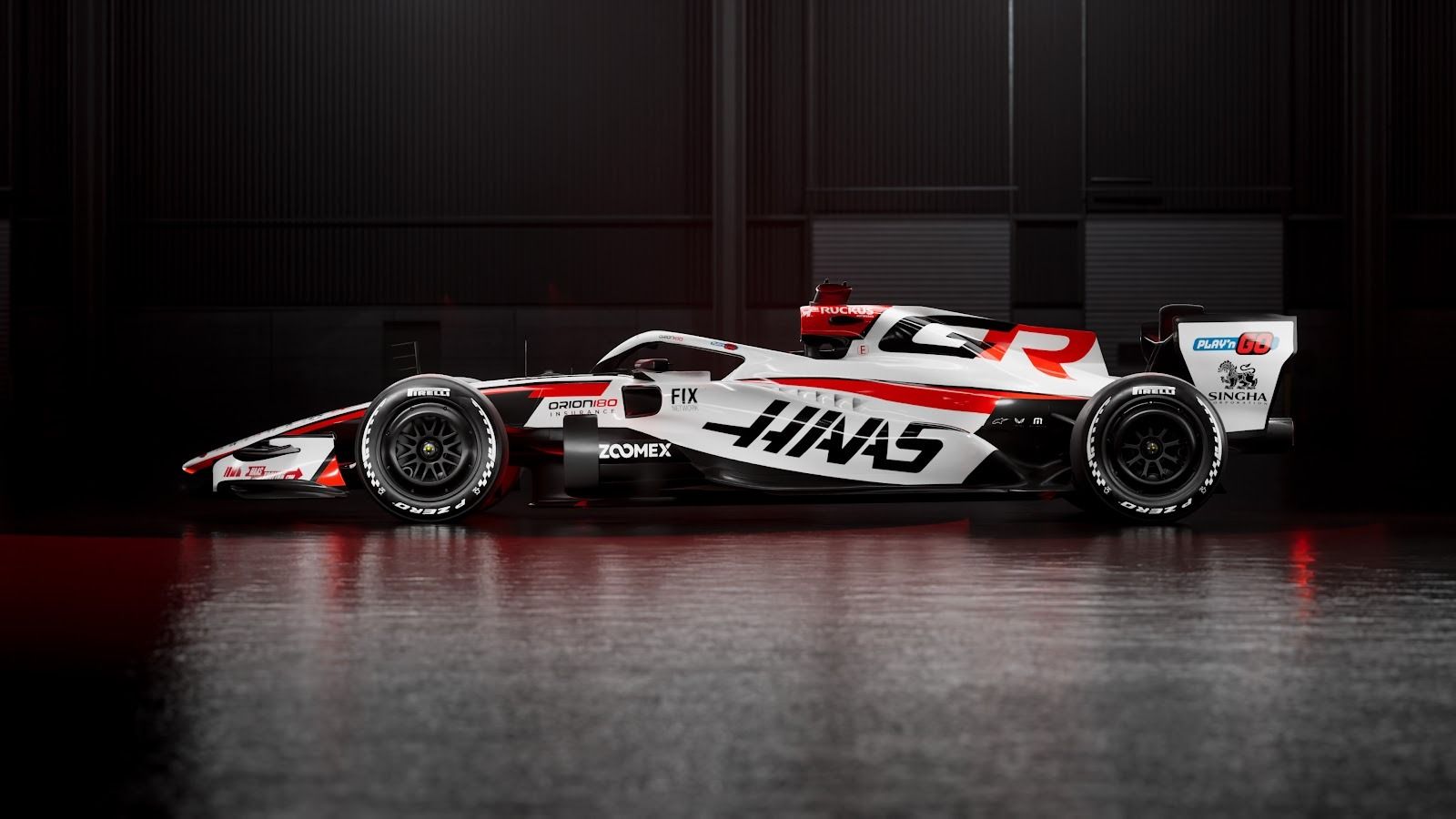
The TGR Haas F1 Team has revealed its 2026 challenger, the VF-26, marking the next chapter in its partnership with crypto trading platform Zoomex. This collaboration emphasizes long-term system stability, technical execution, and performance mastery—principles that resonate in both Formula 1 and high-stakes trading. As Haas targets incremental gains on the track, Zoomex mirrors this philosophy with its focus on infrastructure reliability for traders. Here’s how two high-speed worlds align.
What’s the Big Deal About the VF-26 Launch?
On January 19, 2026, the TGR Haas F1 Team pulled the covers off its VF-26, a car designed to push the boundaries of aerodynamic efficiency and real-time data integration. But the real headline? Zoomex—the crypto exchange with over 3 million users—renewing its partnership with Haas. The duo isn’t just slapping logos on a wing; they’re doubling down on what they call "controlled performance": a blend of system stability, technical precision, and team synergy. Think of it as trading pit stops for algorithmic ones.
Why Does F1 Care About Crypto—and Vice Versa?
Haas’s team principal put it bluntly: "Speed is useless if your hydraulics fail at Turn 3." Similarly, Zoomex argues that crypto trading isn’t about raw throughput butexecution during market volatility. Both worlds demand:
- Infrastructure resilience: Haas’s real-time telemetry mirrors Zoomex’s order-matching engine.
- Long-termism: No sprint victories here—just iterative gains (and fewer blown engines or liquidations).
Fun fact: Zoomex’s CTO once compared Haas’s wind tunnel testing to stress-testing trading APIs. Geeky? Sure. Accurate? Absolutely.
How Does This Partnership Actually Work?
Beyond branding, Zoomex and Haas share tech insights. Haas’s data filters—which prioritize critical metrics during races—inspire Zoomex’s risk-management algorithms. Meanwhile, Zoomex’s latency benchmarks (sub-2ms on 700+ crypto pairs, per) inform Haas’s pit-wall communications. It’s a symbiotic loop:
| Haas F1 Focus | Zoomex Parallel |
|---|---|
| Aero efficiency | Trade execution efficiency |
| Powertrain reliability | Platform uptime (99.99% in 2025) |
What’s Zoomex’s Endgame?
The exchange isn’t just chasing speed—it’s baking F1-grade rigor into its DNA. Licensed in multiple jurisdictions (unlike some "Wild West" rivals), Zoomex emphasizes:
- Transparency: Live order-book displays akin to F1’s timing screens.
- User education: Haas-style debriefs… but for trading strategies.
Could This Change Crypto Trading?
Maybe. Haas’s "marginal gains" approach—shaving 0.1s per lap—mirrors Zoomex’s obsession with shaving microseconds off trades. As one BTCC analyst noted (off the record): "Exchanges that fixate on flashy features crash. Those obsessed with infrastructure? They podium."
FAQs: Zoomex x Haas F1 2026 Partnership
What’s the duration of the Zoomex-Haas deal?
While exact terms are confidential, insiders suggest a multi-year agreement aligned with F1’s 2026 regulation changes.
Does Zoomex sponsor other sports?
Not currently. Motorsports’ data-driven ethos fits Zoomex’s brand—unlike, say, celebrity golf tournaments.
How does this benefit crypto traders?
Expect tighter spreads and fewer outages during high volatility (like CPI announcements), thanks to Haas-inspired system upgrades.
