Samourai Wallet Founders Admit Guilt in $100M Bitcoin Money Laundering Scandal

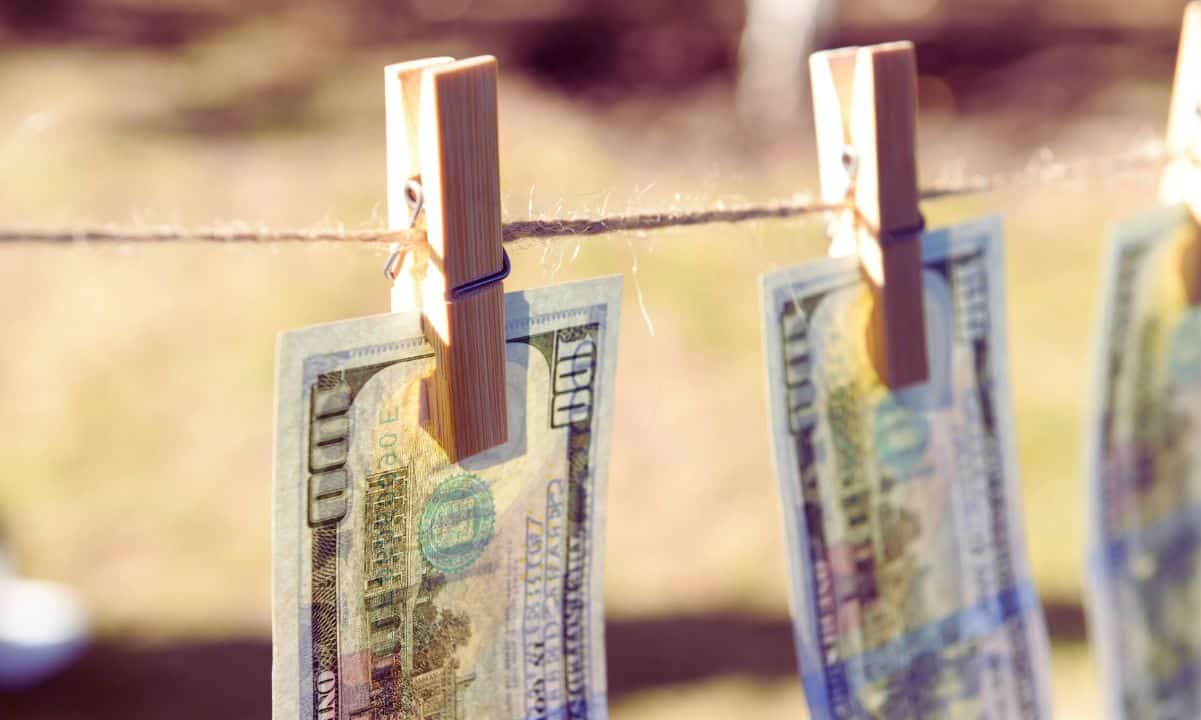
Privacy meets prosecution—the crypto world's latest reckoning just dropped.
Founders of Samourai Wallet, once hailed as champions of financial anonymity, folded in court today. Their playbook? Allegedly laundering $100M in Bitcoin through their privacy-focused platform.
How it worked: The wallet's 'Whirlpool' feature scrambled transaction trails—perfect for dirty money looking for a spin cycle. Regulators called it a 'mixing service,' prosecutors called it a crime.
Why it matters: Another notch in the SEC's belt as they hunt down crypto's wild west mentality. Meanwhile, Wall Street banks laundering billions get a slap on the wrist and a new yacht.
The takeaway: Want to move money in secret? Better hope your lawyers are as good as your coders.
Pleas Changed on Wednesday
According to court documents shared earlier in the week, the executives agreed to change their admissions during a Wednesday morning hearing before Judge Denise Cote. The two faced charges of conspiring to launder money, a crime punishable by up to 20 years in prison, and operating an unlicensed money-transmitting business, which carries a five-year sentence. This brings their total possible prison time to 25 years.
Prosecutors alleged that Samourai processed more than $2 billion in illegal transactions and laundered over $100 million in criminal proceeds. This includes payments tied to illicit online marketplaces such as Silk Road.
The U.S. Department of Justice (DOJ) claims that the wallet’s Whirlpool and Ricochet features were designed to conceal the origins of Bitcoin transactions. The indictment also cited internal communications and social media posts showing the two were aware that Samourai was being used for criminal activity and actively marketed it for such operations.
The founders have made several attempts to dismiss the litigation against them. Following an April 12 memo issued by Deputy Attorney General Todd Blanche, which stated the DOJ WOULD no longer pursue cases based on user actions or regulatory technicalities, their lawyers pushed for the charges to be dropped.
A month later, their defense lodged another motion, alleging that prosecutors withheld internal communications from FinCEN, which suggested that Samourai Wallet didn’t qualify as a money transmitter and therefore wasn’t legally required to register. However, the DOJ argued it didn’t have to share that evidence.
Harmful Legal Precedent
Elsewhere, Tornado Cash is facing similar legal action with Roman Storm, one of its co-founders, currently being tried before a jury. His trial began in July at a Manhattan federal court, where he faces allegations of money laundering, violating U.S. sanctions, and operating an unlicensed money-transmitting business.
Critics say these lawsuits could set a dangerous precedent by criminalizing open-source development for non-custodial tools that don’t hold user funds. They argue that programmers shouldn’t be held liable for how autonomous code is used, particularly when there’s no direct evidence of intent to commit crimes.
Earlier this year, a blockchain developer filed a lawsuit against the DOJ, in the twilight of the Biden administration, claiming it had undermined crypto innovation. He accused the authority of overreaching by treating creators of non-custodial crypto software as unlicensed money transmitters.
