Kazakhstan’s Alem Crypto Fund Makes Historic First Investment in BNB - Bullish Signal for Digital Assets

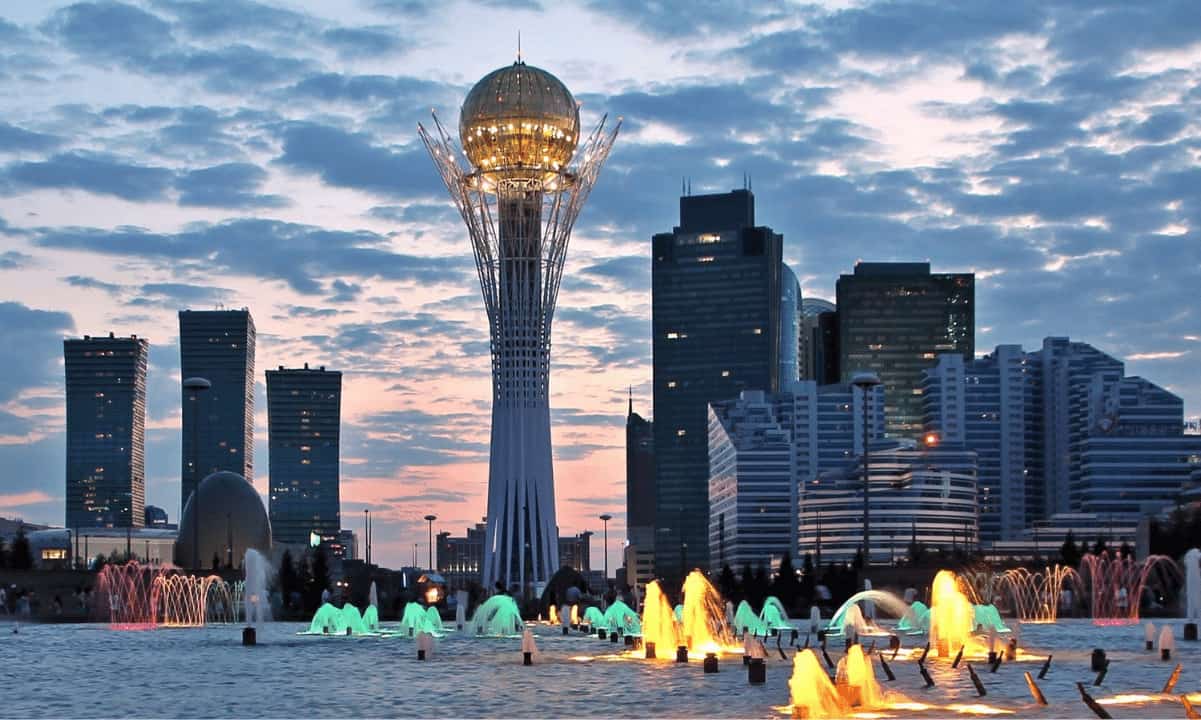
Kazakhstan's financial landscape just got a major crypto upgrade as the Alem Crypto Fund breaks ground with its inaugural BNB acquisition.
The Strategic Move
Alem's debut investment in Binance Coin signals growing institutional confidence in alternative digital assets beyond Bitcoin and Ethereum. The fund's timing couldn't be more precise - entering the market as traditional finance continues wrestling with regulatory uncertainty.
Central Asian Crypto Renaissance
Kazakhstan emerges as an unexpected crypto hub, leveraging its energy resources and regulatory flexibility. The Alem Fund's BNB play demonstrates how emerging markets are leapfrogging conventional investment strategies that Wall Street still struggles to comprehend.
BNB's Institutional Appeal
The selection of BNB over more established cryptocurrencies reveals a sophisticated understanding of ecosystem value - betting on the entire Binance infrastructure rather than just a store of value. Smart money recognizes that utility tokens often outperform pure cryptocurrencies in bull markets.
Traditional finance watches from the sidelines while crypto-native funds make moves that would give most compliance departments heart attacks. Sometimes the biggest opportunities appear where the regulatory paperwork is thinnest.
New Reserve Strategy
The Kazakhstan Ministry of Artificial Intelligence and Digital Development announced that the new Alem Crypto Fund has officially made its first BNB purchase. Owned by the Qazaqstan Venture Group and operating under the Astana International Financial Centre (AIFC), this MOVE represents the country’s first state-backed reserve investment in digital assets.
The addition of BNB to its treasury is a major shift for Kazakhstan, which, up till now, has relied on commodities like uranium, oil, and gas to maintain its reserves. Additionally, the fund’s choice to invest in Binance’s native token instead of Bitcoin, unlike previous government approaches, stands out in the world’s largest crypto exchange ecosystem.
The development is part of a growing trend of nations that are considering digital asset reserves. However, Kazakhstan’s approach is more institutional and focused on building infrastructure.
While the exact amount spent on the BNB coin was not disclosed, the Binance community has enthusiastically welcomed Kazakhstan’s action. CEO Richard Teng said via X that the country is “setting the pace in digital finance,” while Binance co-founder Changpeng Zhao described BNB’s elevation to a state-level asset as a milestone alongside Bitcoin and Ethereum.
The announcement occurred just a week after Kazakhstan, Mastercard, Intebix, and Eurasian Bank introduced the tenge-pegged stablecoin KZTE on the solana network.
Balancing Innovation with Stability
Officials say that the Alem Fund’s initial acquisition demonstrates the country’s ambition and prudence. The use of BNB has spread beyond exchange users to companies using it for treasury management, and Kazakhstan’s action might speed up this trend on a national scale.
With a population of over 20 million, the Central Asian country has long been a major centre for crypto mining. According to bitcoin hashrate, which measures the total amount of processing power utilised by miners to secure the network and handle transactions, it was rated second in the world in 2021.
Elsewhere, Kazakhstan had previously announced plans to create a pilot economic zone called “CryptoCity,” where crypto payments will be accepted under government supervision. The goal of the project is to test the integration of digital currencies into regular business while adhering to financial rules.
President Kassym-Jomart Tokayev took a further step earlier this month, advocating for the establishment of a “full-fledged ecosystem of digital assets” and a strategic crypto reserve. He emphasized the government’s intention to integrate crypto into the nation’s long-term economic structure by directing MPs to develop full legislation by 2026.
