
Where and How to Buy Roaring Kitty (ROAR) in 2026
Roaring Kitty (ROAR) is more than simply a digital comm…
2026-04-03
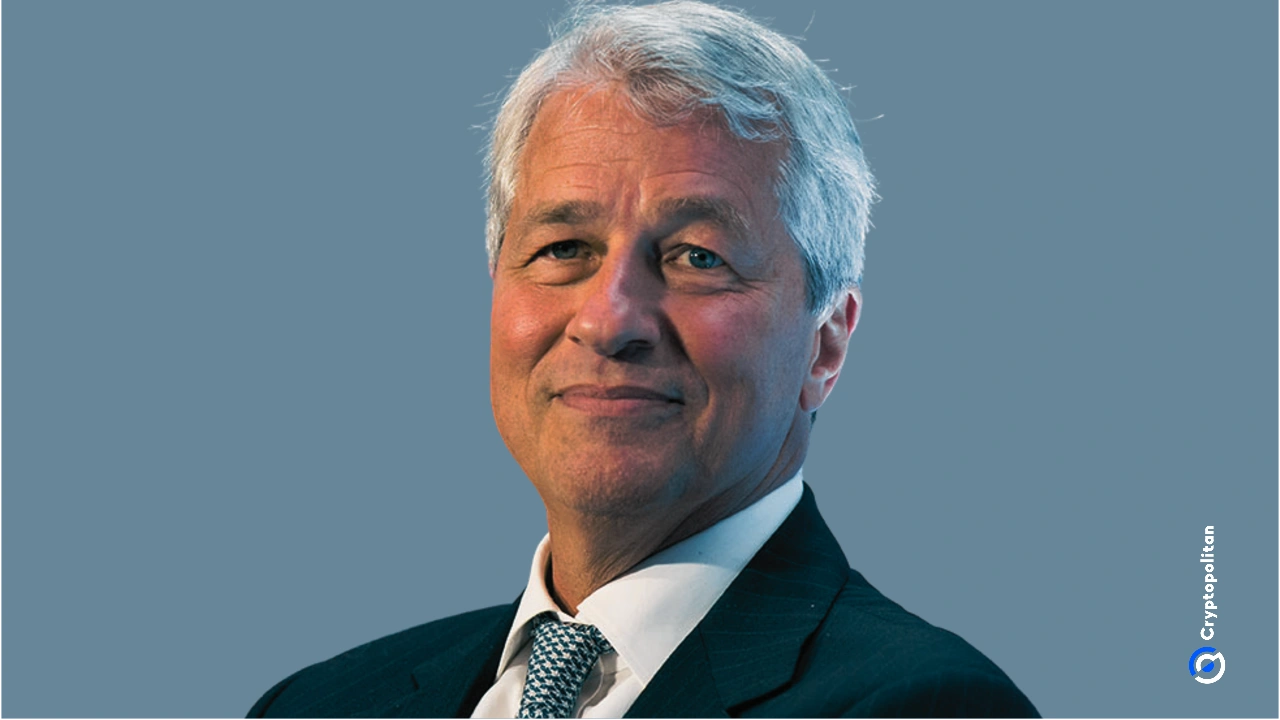
JPMorgan Chase CEO Jamie Dimon has issued a dire warning to investors, signaling that rising geopolitical conflicts, unsustainable global debt levels, and structural market vulnerabilities could trigger significant financial instability. In his closely watched annual shareholder letter released Tuesday, the influential banking chief highlighted these interconnected risks as immediate threats to the global economic outlook, with analysts interpreting his caution as a signal for potential market turbulence ahead.
The first risk to the economy, Dimon advised readers, is geopolitical issues. The wars in both Ukraine and Iran have caused great uncertainty and instability for energy prices. He believes that the outcome of these wars may determine how the global economic order unfolds in 2026 and hopes for a proper resolution to both conflicts.
Additionally, Dimon believes that the U.S.-China relationship has a crucial impact on the global economic future. He expects the dynamics between the world’s two most powerful countries to encounter some bumps in the road this year, particularly over trade.
Speaking on the larger issue of international trade dynamics, while Dimon believes Trump’s tariffs alone have had little impact on U.S. inflation or growth, they have been the catalyst for a realignment of global economic relations. The long-term effects of the ongoing trade wars are uncertain, but it is important to closely monitor the situation and how nations are reshaping trade agreements.
He also addressed the looming risk of high global sovereign deficits and debt. The global deficit and global sovereign debt have reached extreme levels and must be addressed appropriately to avoid a crisis. Dimon highlighted the importance of growth as a resolution, stating that in the U.S., if interest rates went down 100 basis points and GDP grew at 3%, the debt-to-GDP ratio would decline.
Furthermore, high asset prices and very low credit spreads pose a significant risk to the economy, as they suggest limited downside protection. Simply put, the current structure of financial markets leaves them in a very vulnerable position. The reason is that with valuations this high and credit spreads tight, small shocks could trigger liquidation cascades under stress.
Lastly, Dimon addressed the rapid growth of private credit and private equity, noting that markets built on loose financial conditions could experience significant instability when the credit cycle shifts. Despite the apparent stability of these markets today, Dimon points to an inherent fragility beneath the surface that may eventually lead to rapid, visible deterioration.
The real message of Jamie Dimon’s letter to shareholders is that the global economy is increasingly fragile, facing significant uncertainty and instability. Although conditions may appear somewhat stable on the surface, there are far too many moving pieces that could initiate unprecedented chaos when conditions permit. This being the case, it is important to remain vigilant about the many issues that could contribute to a potential global recession in the future, so as to be adequately prepared upon its arrival.
JP Morgan is actively taking steps to protect America from this uncertain future by launching the Security and Resilience Initiative. This is a $1.5 trillion, 10-year plan to “facilitate, finance, and invest in industries critical to national economic security and resiliency,” as stated in the letter.
The five key areas of investment focus in this plan are supply chain and advanced manufacturing, defense and aerospace, energy independence and resilience, frontier and strategic technologies (AI, cybersecurity, quantum computing), and pharmaceuticals and health technology.
The smartest crypto minds already read our newsletter. Want in? Join them.



Log in to Reply
Log in to comment your thoughtsComments