Prediction Market Turmoil: Kalshi Hit With Class Action Lawsuit Over Khamenei Contract Payout

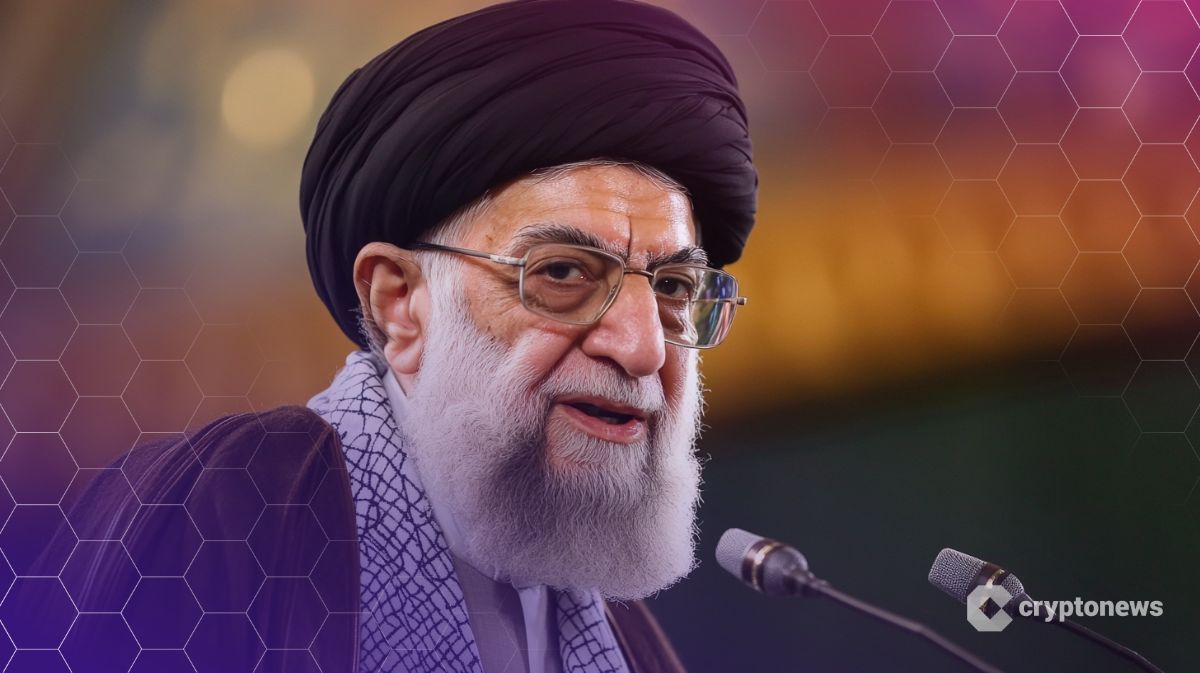
Another day, another prediction market faces the music—this time, it's Kalshi in the legal crosshairs.
The Core Dispute
At the heart of the lawsuit is a payout decision on a market tied to Iranian leadership. Plaintiffs allege the platform's resolution didn't match the contract's fine print, leaving a group of traders on the wrong side of what they saw as a sure bet. It's a classic case of the house making a call that the players just won't accept.
A Sector Under Scrutiny
This isn't just about one contract. It throws a harsh spotlight on the entire governance model of event-based trading platforms. Who gets to be the ultimate oracle? When does a nuanced real-world outcome become a binary 'yes' or 'no' for payout? These platforms sell certainty, but as this suit highlights, their own rules can be the source of the greatest uncertainty.
The Ripple Effect
Expect regulatory eyebrows to raise even higher. Lawmakers already eye prediction markets with deep suspicion, viewing them as gambling dressed in a fintech blazer. A messy, public class action over a politically sensitive contract is the exact kind of ammunition skeptics need to push for stricter controls—or outright bans. It's a gift to the narrative that these markets are inherently unruly.
For the crypto-native crowd, it's a familiar tune: centralized points of failure causing trust to evaporate overnight. It underscores the purist argument for truly decentralized, code-is-law oracle systems, even if their adoption for complex real-world events remains a towering challenge. After all, in traditional finance, ambiguous fine print is a feature, not a bug—it's how the lawyers get their cut.
Kalshi now faces a dual battle: in the courtroom to defend its decision, and in the court of public opinion to defend its entire business model. One thing's for sure—traders hate losing even more than they love winning, especially when they think the game was rigged after the whistle blew.
Kalshi Traders Dispute Payout After ‘Death Carveout’ Rule Applied
According to the complaint, Khamenei’s death was reported by multiple media outlets on Feb. 28.
Traders holding contracts predicting he would be out of office by the following day expected their “yes” shares to resolve at $1 each, the standard payout for a correct prediction on the platform.
Instead, Kalshi applied a rule known as a “death carveout provision.”
The clause states that if the leader leaves office solely due to death, the market outcome will resolve based on the final traded price rather than paying out the full value of winning contracts.
The plaintiffs argue that this decision deprived traders of the payouts they believed they had earned.
“Plaintiffs and the proposed class members, who correctly predicted the outcome, did not receive the amounts they were promised,” the lawsuit states.
The complaint alleges that traders were paid amounts that were “arbitrary” and significantly below the expected contract value.
Two named plaintiffs reportedly held roughly $259.84 worth of positions in the market. Overall trading activity in the event exceeded $54 million in volume.
The legal filing further argues that the rule used to determine the payout was not sufficiently disclosed to users when they entered their trades.
According to the plaintiffs, the death-related clause appeared only in technical market rules that many traders may not have noticed before placing bets.
Public criticism intensified on social media following the market’s resolution. In response, Kalshi CEO Tarek Mansour addressed the issue in a post on X, explaining that the platform avoids markets that allow traders to profit directly from a person’s death.
“We don’t list markets directly tied to death,” Mansour wrote. “When potential outcomes involve death, we design the rules to prevent people from profiting from death.”
We stand by principle and law:
1. Kalshi didn't deviate from its market rules. They were clear that death did not resolve the market to "Yes".
2. Kalshi's rules prevented a 'death market', where traders directly profit from death. This is a good thing (+ we're a US based… https://t.co/gXMeQECFLz
He acknowledged that the company could improve how rules are displayed on market pages. Mansour said the situation highlighted the need for clearer user experience design to ensure traders better understand contract conditions before participating.
Kalshi Says Traders Didn’t Lose Money After Market Dispute
Kalshi also reimbursed all trading fees and net losses associated with the market. According to the company, no traders ultimately lost money as a result of the resolution.
Despite the refunds, the plaintiffs are seeking compensatory damages representing the full value of the expected payouts, along with punitive damages intended to deter similar conduct in the future.
Mansour said the company followed its established rules and emphasized that Kalshi did not generate profit from the market.
The lawsuit arrives as prediction markets gain wider attention. Kalshi recently secured funding at an $11 billion valuation, reflecting the rapid growth of the sector and rising trading activity across event-based markets.
