Markets Surge as Pro-Bitcoin Economist Kevin Warsh Tipped for Fed Chair

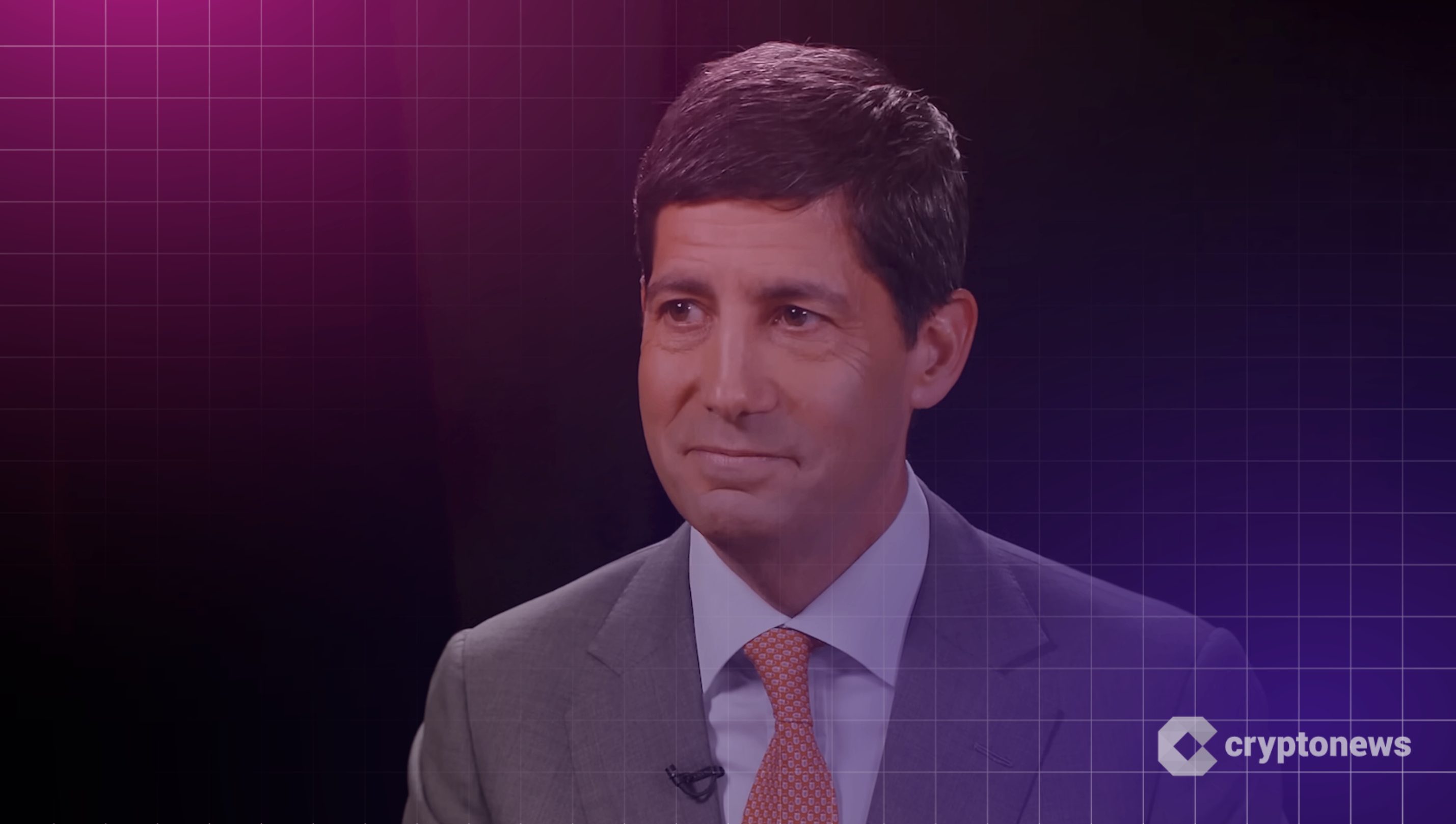
Digital asset markets are buzzing with speculation after whispers from Washington suggest a crypto-friendly heavyweight could soon steer the world's most powerful central bank.
The Fed's Potential Crypto Pivot
Rumors that former Fed governor Kevin Warsh is a top contender for the Chairmanship have sent ripples—no, waves—through trading desks. Warsh's known, albeit measured, sympathy for blockchain innovation represents a seismic shift from the institution's traditional skepticism. Traders are betting that his potential appointment signals a thaw in the regulatory permafrost, a move that could legitimize digital assets in the eyes of legacy finance.
Why Wall Street Is Watching
It's not just about Bitcoin's price ticker. The real story is monetary policy. A Fed led by someone who understands—or at least doesn't dismiss—decentralized finance could recalibrate the entire approach to digital dollars, stablecoin oversight, and bank chartering for crypto natives. The immediate market reaction is a proxy vote for regulatory clarity, something the sector has craved for years.
The Institutional Domino Effect
Watch the bond desks and pension funds. Their entry has always been gated by regulatory uncertainty. A Warsh-led Fed could flip that switch, unlocking trillions in institutional capital currently sidelined. The move would accelerate the merger of traditional and digital finance, forcing every major bank to fast-track their crypto divisions or risk irrelevance.
A Cautious Celebration
Don't break out the champagne just yet. One man does not make a committee, and the Fed's glacial pace often frustrates faster-moving tech. Plus, there's always the chance this is just another Washington trial balloon—meant to gauge market reaction without any real intention to follow through. Because in finance, sometimes the rumor is more profitable than the news.
The stakes couldn't be higher. This isn't just a personnel change; it's a potential regime change for the global financial system. Markets are voting yes. Now we wait to see if the politicians were just bluffing.
Kevin Warsh’s Views on Bitcoin
Like many of those jostling for the top job, Warsh has an optimistic attitude towards Bitcoin.
When interviewed by the Hoover Institute last May, he challenged host Peter Robinson for using a “condescending” tone when talking about the world’s biggest cryptocurrency.
Robinson challenged Warsh on whether BTC was a good thing — pointing to remarks by Berkshire Hathaway’s late chairman Charlie Munger, who had described this digital asset as “evil.” He replied:
“Bitcoin does not make me nervous … bitcoin doesn’t trouble me, I think of it as an important asset that can help inform policymakers when they are doing things right and wrong. It is not a substitute for the dollar, I think it can often be a very good policeman for policy.”
Warsh went on to describe the Bitcoin blockchain as “just the newest, coolest software that will provide us an ability to do things that we could never have done before.”
“Can the software be used for good or evil? Yes — both — like all software, so I don’t cast aspersions like that.”
Despite his complimentary tone, Bitcoin fell to lows of $81,000 in the early hours of Friday as markets digested the news. Why? Because one of things Warsh has repeatedly called for is a smaller Fed balance sheet, meaning the central bank may no longer fuel the markets with liquidity. Wilson Asset Management’s portfolio strategist Damien Boey told Reuters:
“As you start to talk about pulling the rug out from underneath that … all the hedges against balance sheet expansion that people have been going for — gold, crypto, obviously bonds start to sell a little bit.”
Indeed, gold has been plummeting over the past 24 hours, with sell-offs that far outpace Bitcoin’s 6% drop. The yellow metal was on the brink of its biggest one-day plunge for more than 10 years — tumbling from close to $5,600 an ounce to back down below $5,000. Silver and platinum also suffered from double-digit losses, in what some analysts are describing as “top of the market” behavior.
Kevin Warsh has been signalling his enthusiasm for interest rate cuts of late, in line with Trump’s wishes, but concerns linger over the Fed’s independence — and whether the Federal Open Markets Committee, which makes decisions on the cost of borrowing, WOULD allow more aggressive reductions.
Nonetheless, analysts are describing Warsh as a “steady pair of hands” who is known to the markets, and someone who is less likely to embark on erratic policies that could weaken the economy over the long term.
Of course, in a Trump WHITE House, nothing is straightforward. Republican Senator Thom Tillis, a member of the Senate Banking Committee, has vowed to oppose the confirmation of any Fed nominee until the legal matter involving Jerome Powell is fully resolved.
