Digital Euro Poised for Major Leap Forward - ECB’s Christine Lagarde Signals Readiness, Awaits Legislative Green Light

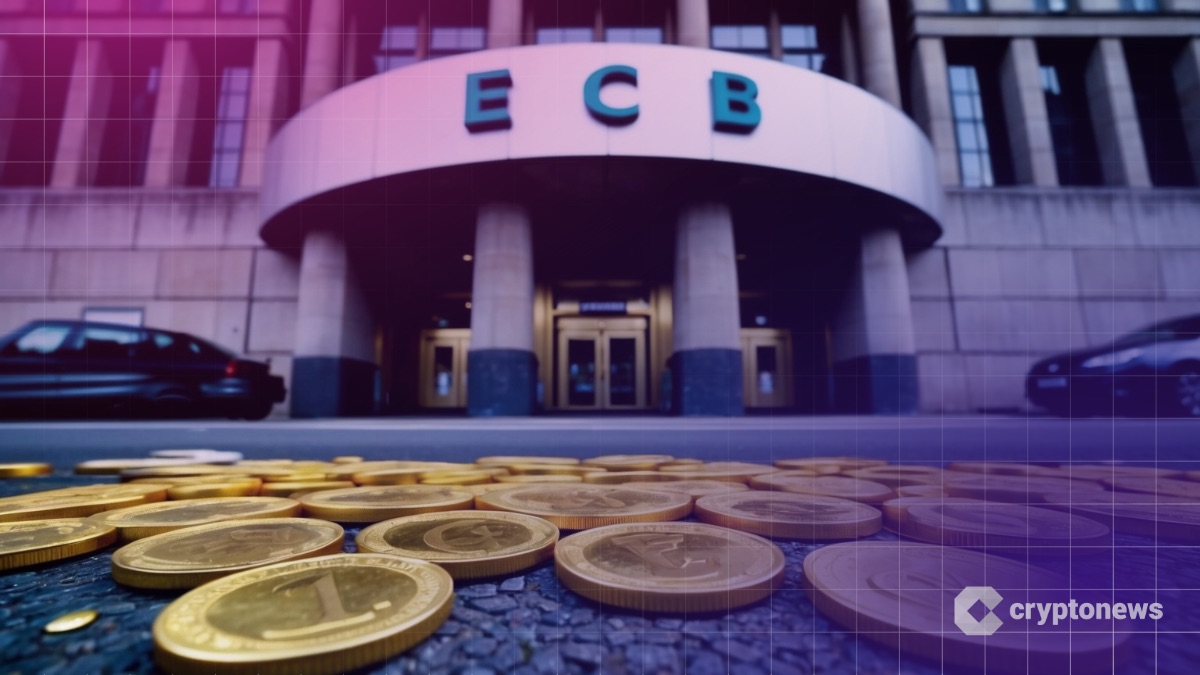
The European Central Bank is revving its engines. Christine Lagarde just declared the digital euro project ready to shift into high gear—but there's a catch. It's stuck in legislative gridlock.
Waiting on the Politicians
Lagarde's message is clear: the technocrats have done their part. The blueprint is drawn, the systems are designed. Now, the ball is in the court of EU lawmakers. Without their formal approval, this entire digital currency machine stays in park. It's a classic case of innovation outpacing regulation—a familiar tune in the finance world.
What's at Stake?
This isn't just about digitizing cash. A central bank digital currency (CBDC) represents a fundamental power play. It promises faster settlements, programmable money, and a direct line from the ECB to your digital wallet. It also cuts out traditional banking middlemen for certain transactions—bypassing the old guard entirely.
The Global Race Heats Up
Europe isn't alone. From China's digital yuan to exploratory projects in the US, every major economy is eyeing the CBDC finish line. Lagarde's announcement is a strategic move, signaling Europe's intent to lead, not follow, in the future of money. It's a bid for monetary sovereignty in an increasingly digital age.
So the stage is set. The technical hurdles are cleared. All that's left is for politicians to pass the baton—or, in typical fashion, to debate it until the next technological revolution makes the whole conversation obsolete.
MiCA-Compliant Stablecoins Are Regarded as Safe: ECB President
During the Q&A session, the ECB head dismissed that stablecoins are a threat to Europe’s monetary sovereignty, when the asset class comes under Europe’s Markets in Crypto-Assets Regulation (MiCA).
“We are lucky in Europe to have something that is called MiCAR,” Lagarde said. “It’s the legal framework within which instruments like stablecoins can work and can be supervised and can be regarded as safe.”
Besides, she added that regulated stablecoins are “an alternative FORM of payment,” which might have its own benefits.
She also pressed the potential risks around multi-issuance currency for stablecoins, which potentially exposes the reserves.
“So on that particular area, I think that we need to be extremely attentive to what the potential risks are for the system itself and for the holders of stablecoins.”
Digital Euro to Exist Alongside Fiat Money
At the meeting, President Lagarde stressed that the ECB does not aim to be a role model for digital euro. Instead, “to make sure that in the digital age, there is a currency that is the anchor of stability for the financial system.”
She reaffirmed ECB’s commitment to keeping euro cash widely available, emphasizing that a digital euro is to complement and not replace fiat money. “In addition to making sure that it is user-friendly, not costly, fast, efficient, private, that it can work online, offline,” she noted.
Further, she addressed a data-driven approach to interest rate decisions, adding that inflation is projected to meet the ECB’s 2% target by 2028.
